Sales & Rental of Construction | Industrial Equipment & Supplies

Why Are Oil Heaters a Popular Choice for Buyers?

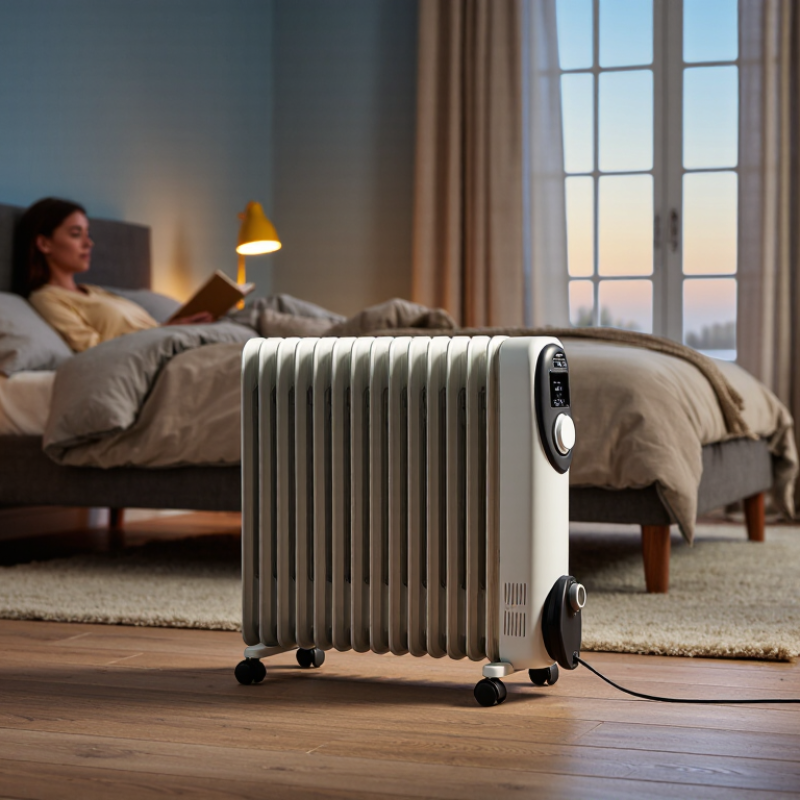
On a cold evening, an oil-filled radiator can warm a bedroom quietly while you read or work. Its sealed thermal oil circulates inside the unit and retains heat after the heating element switches off. The oil is not burned or consumed during normal operation. That distinction matters when comparing oil heaters with fuel-burning appliances.

Buyers often value steady warmth, simple controls, and low operating noise. Many models also have wheels, adjustable thermostats, and timer settings, making them practical for moving between rooms. There is no fan pushing warm air around. For people sensitive to drafts or noise, that can feel more comfortable. Quiet comfort counts.

Still, an oil heater is not automatically the cheapest choice. It uses electricity, so running costs depend on the unit’s power, local energy rates, room size, and hours of use. A radiator may take time to warm a space, and its surface can become hot. Keep it clear of curtains and furniture, place it on a stable floor, and follow the manufacturer’s safety instructions. These details are easy to overlook.

This guide explores why oil heaters remain popular, what features buyers should compare, and where their limitations matter. It also considers room size, energy use, portability, and everyday safety. The best choice depends on how a space is used, not just the product label. A little skepticism helps: advertised efficiency cannot replace checking real wattage and expected use.
Why Are Oil Heaters a Popular Choice for Buyers?

What Are Oil Heaters and How Do They Work?

Why Are Oil Heaters a Popular Choice for Buyers?

What Are Oil Heaters and How Do They Work?

An oil heater is an electric radiator with sealed thermal oil inside. A resistance element warms the oil, which circulates through the heater’s metal columns. The oil transfers heat to the casing, then into the room through radiation and natural convection. No flame is involved. The oil is not burned or used up; it stores and releases heat.

The US Department of Energy’s Energy Saver guidance states that electric resistance heating converts nearly 100% of the electricity used into heat at the point of use. That figure does not include power-station or grid losses, and it does not mean every heater costs the same to run. A thermostat switches the element on and off as the room temperature changes. After switching off, the warm oil and casing continue releasing heat for a while. That lingering warmth can feel pleasant beside a desk on a cold morning.

Still, heat spreads gradually. A heater may take time to warm a chilly room, and a blocked or poorly placed unit can leave cold spots. The oil itself does not make the heater more efficient than other electric resistance heaters; it mainly helps smooth out heat delivery. For practical use, check the unit’s rated wattage and keep its airflow unobstructed. Some rooms simply feel draftier than expected.

What Types of Oil Heaters Are Available?

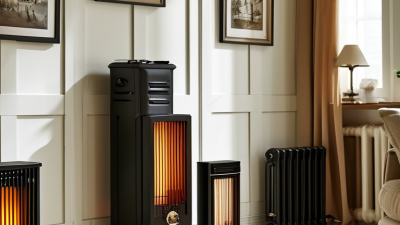
Oil heaters come in several forms, and the name can be confusing. Most household models are electric, oil-filled radiators. Electricity warms sealed oil inside the unit; the oil does not burn or need replacing. The heated metal columns release warmth gradually, so a room may take time to feel comfortable. That steady heat can suit bedrooms or home offices where people stay for several hours.

Electric models vary in shape and controls. Column radiators are common, while flat-panel versions fit more easily against a wall. Portable units often have wheels and adjustable thermostats. Some include timers or multiple heat settings. Check the heater’s weight, cord length, and tip-over protection before choosing one. Small details matter when the unit needs to move between rooms.

Oil-fired heaters are a different category. They burn heating oil or another specified fuel, rather than warming sealed oil with electricity. These may be portable or installed as part of a home heating system. Their fuel requirements, ventilation needs, and maintenance differ from electric radiators, so the manual and local safety guidance deserve close attention. The distinction is easy to miss. A product listing may use “oil heater” loosely, so check whether it plugs into an outlet or requires fuel.

Which Features Make Oil Heaters Attractive to Buyers?

Buyers often choose oil heaters for steady, quiet warmth. A typical unit warms sealed oil inside its fins, then releases heat gradually into the room. There is no fan noise to interrupt a phone call or a sleeping child. Just a gentle tick from the thermostat, sometimes. Many models include adjustable heat settings and a thermostat, so users can reduce output once a room feels comfortable. The oil itself is not burned or replaced during normal use. That can make everyday operation feel simple.

Small practical details matter, too. Wheels and a carry handle help move a heater between a home office and a bedroom, though the unit may feel heavy on stairs. Its metal surface can become hot, so placement matters around children, pets, curtains, and bedding. Keep clear space around it and follow the manufacturer’s instructions. Oil heaters also take time to warm a chilly room, and they remain warm after being switched off. That can be useful, but it is not instant heat. Their comfort and running cost depend on room size, insulation, thermostat settings, and electricity rates; an oil heater is not automatically cheaper than other electric heaters. A drafty corner can still feel cold.

Why Are Oil Heaters a Popular Choice for Buyers?

Typical rated power options show the range available for different room sizes and heating needs.

The wattages shown are common example ratings, not sales or popularity data; actual models vary. Buyers may value adjustable heat, thermostatic control, quiet operation, and warmth that continues briefly after the heater switches off as its oil-filled body cools. A higher wattage does not automatically mean lower running costs.

How Do Oil Heaters Compare With Other Heating Options?

An oil-filled heater is an electric resistance radiator, not a miniature oil furnace. Electricity warms sealed oil inside the unit, and the metal casing releases heat steadily. That can suit a bedroom or home office, especially when quiet operation matters. Unlike a fan heater, it does not blow air around the room. But it also takes time to warm a chilly space. Not instant. Both types use electricity directly, so their running costs depend heavily on local power rates and room insulation.

A heat pump works differently: it moves heat rather than generating it through resistance. The U.S. Department of Energy’s Energy Saver guidance reports that air-source heat pumps can deliver about two to four units of heat for each unit of electricity consumed. That difference can matter during long heating seasons. Oil-filled radiators remain useful for targeted, occasional warmth, while heat pumps often suit whole-home heating better. A central fuel-burning system can also heat multiple rooms, though installation, maintenance, and fuel costs vary. One easy-to-miss detail: the oil inside a portable radiator is not burned or replaced during normal use. Check the heater’s wattage and your electricity tariff before relying on it nightly; a low purchase price does not guarantee low bills.

Why Are Oil Heaters a Popular Choice for Buyers? — How Do They Compare With Other Heating Options?

Heating Option How It Works Heat Delivery Energy Use and Efficiency Heat Retention After Switching Off Typical Strengths Important Trade-Offs
Oil-Filled Electric Radiator An electric element warms sealed thermal oil inside the unit. The oil circulates within the heater and transfers heat to its metal surface; it is not burned as fuel. Primarily radiates heat and warms nearby air through natural convection. It generally heats up more gradually than a fan heater. Like other electric resistance heaters, it converts nearly all electricity used at the point of use into heat. Electricity cost depends on the local tariff and the heat needed by the room. Relatively good because the oil and metal retain heat for a while, though the unit stops adding heat when switched off and gradually cools. Quiet operation, no fan-driven airflow, and steady warmth make it suitable for supplemental or room-by-room heating. Can be heavy and slow to warm up. Its thermal mass does not make it inherently cheaper to run than other resistance heaters delivering the same amount of heat.
Fan Heater An electric resistance element heats air, and a fan moves that air into the room. Fast, directed airflow can provide quick warmth near the heater. Uses electric resistance heating, so point-of-use conversion of electricity to heat is nearly complete. Operating cost depends on electricity price and usage. Low; the heater and room air usually feel cooler soon after it is switched off. Often compact and quick to provide localized warmth. Fan noise and moving air may be undesirable for some users. It still uses electricity while producing heat and is not inherently more efficient than an oil-filled radiator.
Infrared Electric Heater Electricity powers an element that emits infrared radiation, warming people and surfaces that the radiation reaches. Provides more direct, localized warmth rather than first warming all the air in a room. Uses electric resistance heating. Its practical energy use depends on where warmth is needed, how long it runs, and the room conditions. Varies by the warmed surfaces; the heater itself may cool relatively quickly after it is switched off. Can be useful when targeted warmth is preferred, such as in a specific occupied area. Warmth can be less even outside the heater’s direct range, and placement affects comfort.
Air-Source Heat Pump Moves heat from outdoor air indoors using a refrigeration cycle powered by electricity. Usually distributes heat through indoor air; some systems can also provide cooling. Can deliver more heat energy than the electrical energy it consumes because it transfers heat rather than producing all of it through resistance. Performance varies with outdoor temperature, system design, and installation. Depends on the building and distribution system; the heat pump continues to supply heat while operating. Often uses less electricity than resistance heating to deliver the same amount of heat over suitable operating conditions. Higher installation complexity and cost than a portable heater; performance and comfort depend on correct sizing and installation.
Gas Central Heating A gas-fired boiler or furnace produces heat and distributes it through radiators, underfloor pipes, or ducts. Can heat multiple rooms through a fixed distribution system. Fuel use and delivered cost depend on appliance efficiency, gas prices, system controls, and heat losses in distribution. Depends on the building, radiators or ducts, and the amount of heat stored in the system. Can provide whole-home heating through an established central system. Requires fuel supply and suitable installed equipment. Burning gas produces carbon dioxide at the point of use; system maintenance and ventilation requirements apply.

Comparison note: Actual running costs depend on local energy prices, room size, insulation, thermostat settings, and hours of use. Electric resistance heaters—including oil-filled radiators, fan heaters, and many infrared heaters—use broadly similar electricity to supply the same quantity of heat under comparable conditions.

What Factors Should Buyers Consider When Choosing an Oil Heater?

Oil-filled electric radiators appeal to buyers who want steady, quiet warmth without a fan blowing dust around. The oil circulates heat inside the unit; it is not burned as fuel. Buyers should match wattage to room size, but ceiling height, drafts, and insulation also matter. A small bedroom with a closed door behaves differently from a chilly, open-plan room. DOE’s Energy Saver guidance says electric resistance heating converts nearly all incoming electricity into heat at the point of use. That does not mean low running costs: check the heater’s wattage and your local electricity rate before buying. A thermostat and timer can help avoid heating an empty room.

Safety deserves equal attention. NFPA’s Home Heating Fires report found that space heaters were involved in about one-third of U.S. home heating fires and four-fifths of related deaths during 2016–2020. Look for tip-over shutoff, overheat protection, a stable base, and clear operating instructions. Check clearance. Keep the unit away from curtains, bedding, and furniture, and plug it directly into a suitable wall outlet. DOE and NFPA guidance cannot tell you how every model performs in your home, so inspect the manual and test the controls before regular use. One detail buyers sometimes overlook: oil-filled models can stay hot after switching off. That delay is useful, but it can surprise children or pets.

© Copyright - Pro Tool & Supply - Site by SVM E-Marketing Solutions - Sitemap - Privacy policy