- Products
- Air Compressors & Air Tools
- Climate Control
- Compaction Equipment
- Concrete Cutting Tools & Equipment
- Concrete and Masonry
- Demolition & Excavation
- Electrical & Mechanical
- Fasteners and Anchoring Adhesives
- Floor Protection
- Generators and Welders
- Hand Tools
- Heaters
- Janitorial and Office Supplies
- Jobsite Protection
- Ladders & Storage
- Lighting & Lighting Accessories
- Man Lifts
- Material Handling Equipment
- Power Tools
- Pressure Washers & Pumps
- Safety Gear
- Safety Products
- Saws
- Surface Preparation
- SEASONAL PRODUCTS
- Rentals
- Air Compressor and Air Tool Rentals
- Climate Control Rental
- Compaction Rentals
- Concrete Equipment Rentals
- Demolition & Excavation Equipment Rentals
- Concrete Floor Grinder Rentals
- General Construction Equipment Rentals
- Generator Rentals and Welder Rentals
- Heater Rentals
- Light Tower Rentals
- Man Lift Rentals in Massachusetts and Rhode Island
- Material Handling Equipment Rentals
- Pressure Washer & Pump Rentals
- Saw Rentals in New England
- SEASONAL PRODUCTS
- Products
- Air Compressors & Air Tools
- Climate Control
- Compaction Equipment
- Concrete Cutting Tools & Equipment
- Demolition & Excavation
- Electrical & Mechanical
- Floor Protection
- Generators and Welders
- Construction Heaters
- Construction Ladders, Staging, & Storage
- Construction Lighting
- Man Lifts
- Material Handling Equipment
- Industrial Janitorial and Office Supplies
- Pressure Washers & Pumps
- Construction Safety Products
- Construction Safety Gear
- Surface Preparation
- Building Protection
- Diesel Accessories
- Zero Emissions
- Rentals
- Air Compressor and Air Tool Rentals
- Climate Control Rental
- Compaction Rentals
- Concrete Equipment Rental
- Demolition & Excavation Equipment Rental
- General Construction Equipment Rental
- Generator Rentals and Welder Rentals
- Construction Heaters Rental
- Light Tower Rentals
- Man Lift Rentals
- Material Handling Equipment Rental
- Pressure Washer & Pump Rentals
- Saw Rentals in New England
- Concrete Floor Grinder Rentals
- Zero Emissions Rentals
- Repairs & Used
- Parts
- Blog
- Services
- Resources
- About Us
- Contact Us
Sales & Rental of Construction | Industrial Equipment & Supplies


How to Choose the Best Oil Heaters for Your Needs?
Finding the right oil heaters for your space can feel overwhelming. With so many options available, it’s essential to identify your specific heating needs. These heaters are known for their efficiency and comfort. They work by heating oil within the unit, providing steady warmth.
Consider the size of the area you intend to heat. Some models are designed for small rooms, while others can warm larger spaces. Energy efficiency is another critical factor. A portable oil heater may save you money on energy bills, but it can also have limitations. Reliability is crucial; you want a heater that lasts.
Safety features are an important aspect. Look for models with automatic shut-off systems and protective casing. It’s also wise to read reviews and ask for recommendations. Reflect on your previous heating experiences. Did your last heater meet your expectations? Evaluating these factors will help you make an informed decision.
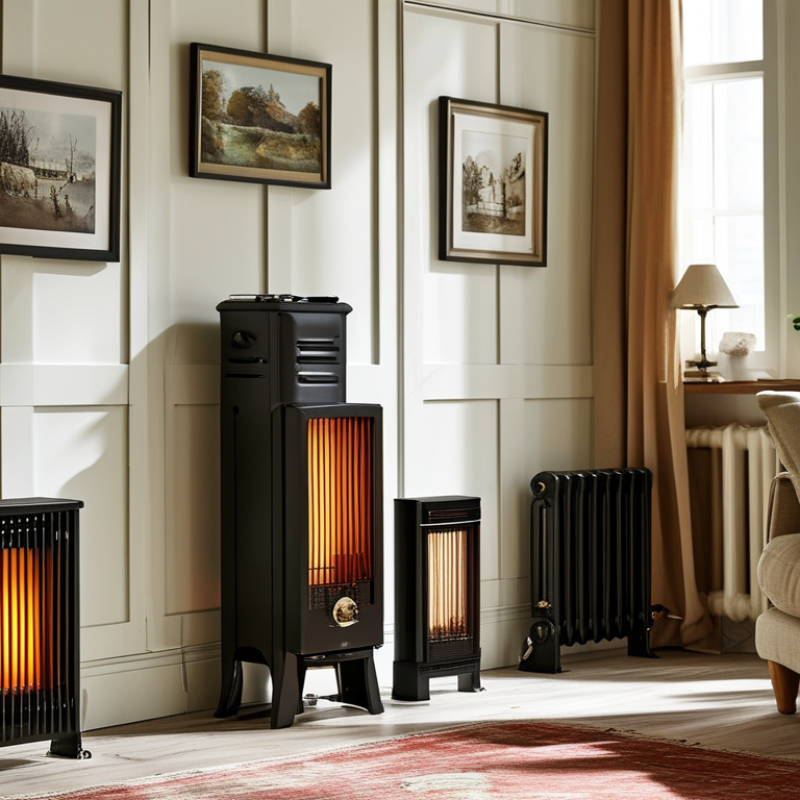
Table of Contents
[Hide]
Factors to Consider When Choosing an Oil Heater
Choosing the right oil heater can greatly impact your comfort and energy costs. When selecting an oil heater, one key factor to consider is the heater’s energy efficiency. According to a report by the U.S. Department of Energy, heaters with higher efficiency ratings can save homeowners up to 30% on heating bills. Look for units with an Energy Factor (EF) rating, as a higher EF means better performance and lower operating costs.
Another important aspect is the heater’s capacity. The required capacity largely depends on the size of the room you intend to heat. For example, a small room may need a heater with a capacity of 1,500 watts, while larger spaces might require up to 3,000 watts. This disparity highlights the need for personalized assessments. If the heater is too powerful, it may lead to excessive energy use and uneven heating. On the other hand, an underpowered heater could leave you in the cold, forcing you to reflect on the balance between efficiency and room size.
Related Posts
-

How to Choose the Best Oil Heaters for Your Home Use?
-

Top 10 Work Tools Every Global Buyer Needs to Succeed?
-

Top Machine Tools for Precision Engineering and Their Impact on Industry?
-
10 Essential Contractor Tools Every Professional Needs for Success
-

2026 Top Shop Tools Buyers Guide What You Need to Know?
-

Top 10 Best Digital Tools for Effective Online Management?

© Copyright - Pro Tool & Supply - Site by SVM E-Marketing Solutions - Sitemap
- Privacy policy