- Products
- Air Compressors & Air Tools
- Climate Control
- Compaction Equipment
- Concrete Cutting Tools & Equipment
- Concrete and Masonry
- Demolition & Excavation
- Electrical & Mechanical
- Fasteners and Anchoring Adhesives
- Floor Protection
- Generators and Welders
- Hand Tools
- Heaters
- Janitorial and Office Supplies
- Jobsite Protection
- Ladders & Storage
- Lighting & Lighting Accessories
- Man Lifts
- Material Handling Equipment
- Power Tools
- Pressure Washers & Pumps
- Safety Gear
- Safety Products
- Saws
- Surface Preparation
- SEASONAL PRODUCTS
- Rentals
- Air Compressor and Air Tool Rentals
- Climate Control Rental
- Compaction Rentals
- Concrete Equipment Rentals
- Demolition & Excavation Equipment Rentals
- Concrete Floor Grinder Rentals
- General Construction Equipment Rentals
- Generator Rentals and Welder Rentals
- Heater Rentals
- Light Tower Rentals
- Man Lift Rentals in Massachusetts and Rhode Island
- Material Handling Equipment Rentals
- Pressure Washer & Pump Rentals
- Saw Rentals in New England
- SEASONAL PRODUCTS
- Products
- Air Compressors & Air Tools
- Climate Control
- Compaction Equipment
- Concrete Cutting Tools & Equipment
- Demolition & Excavation
- Electrical & Mechanical
- Floor Protection
- Generators and Welders
- Construction Heaters
- Construction Ladders, Staging, & Storage
- Construction Lighting
- Man Lifts
- Material Handling Equipment
- Industrial Janitorial and Office Supplies
- Pressure Washers & Pumps
- Construction Safety Products
- Construction Safety Gear
- Surface Preparation
- Building Protection
- Diesel Accessories
- Zero Emissions
- Rentals
- Air Compressor and Air Tool Rentals
- Climate Control Rental
- Compaction Rentals
- Concrete Equipment Rental
- Demolition & Excavation Equipment Rental
- General Construction Equipment Rental
- Generator Rentals and Welder Rentals
- Construction Heaters Rental
- Light Tower Rentals
- Man Lift Rentals
- Material Handling Equipment Rental
- Pressure Washer & Pump Rentals
- Saw Rentals in New England
- Concrete Floor Grinder Rentals
- Zero Emissions Rentals
- Repairs & Used
- Parts
- Blog
- Services
- Resources
- About Us
- Contact Us
Sales & Rental of Construction | Industrial Equipment & Supplies

10 Essential Tips for Choosing Electric Power Tools for Your Projects?
When embarking on a project, selecting the right electric power tools is crucial. According to James McDonald, a renowned expert in the electric power tools industry, “Choosing the right tool can make or break your project.” His insight captures the importance of informed decisions when it comes to tool selection.
Electric power tools come in various shapes and sizes, catering to a wide range of tasks. Think about what you need before making a purchase. Are you tackling heavy-duty jobs or just light repairs? Often, people overlook the specifications. This can lead to frustration down the line.
Quality matters, but so does understanding personal needs. Not every tool fits every user. Investing time in research pays off. A poor choice can compromise safety and efficiency. Listen to experts and learn from mistakes. The more informed you are, the better your projects will turn out.

Table of Contents
[Hide]
Understanding Power Types: AC vs. DC in Electric Power Tools
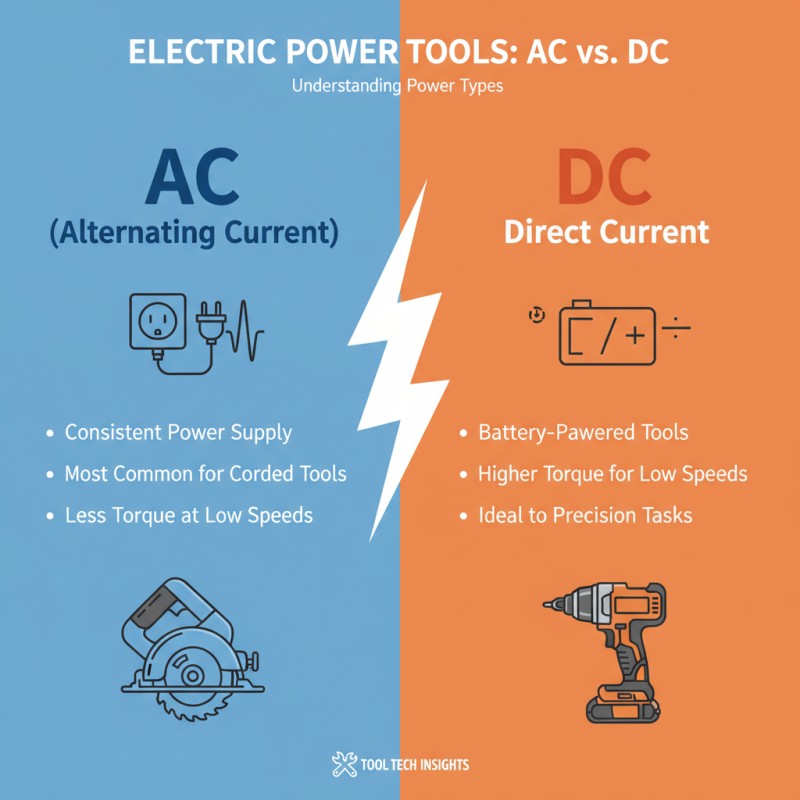
When selecting electric power tools, understanding the differences between AC and DC power types is crucial. AC, or alternating current, is what most tools use. It provides a consistent power supply. However, DC, or direct current, offers benefits that appeal to many users. Reports indicate that DC tools often deliver higher torque at lower speeds, making them ideal for tasks requiring precision.
Electric power tools typically operate on voltage ranging from 110V to 230V. AC tools often work best for heavy-duty jobs. They can run continuously and handle larger loads. In contrast, DC tools are commonly battery-operated. This can limit run time but offers portability. Industry data suggests that 60% of DIY enthusiasts prefer cordless, battery-operated tools for flexibility. However, battery life can vary significantly.
Another aspect to consider is maintenance. DC tools usually require regular battery checks and replacements. Users sometimes overlook this, leading to unexpected downtime. While AC tools may need less frequent maintenance, they rely heavily on power sources and may present issues in remote locations. The choice often reflects personal preferences and specific project needs.
Related Posts
-
Top 10 Essential Power Tools Every DIYer Needs in 2023
-
10 Essential Tips for Choosing the Right Electric Power Tools for Your Projects
-

Why Are All Tools Essential for Successful Project Management?
-

Top 10 New Tools Revolutionizing Digital Marketing in 2024: Enhance Your Strategy with Data-Driven Insights
-
10 Essential Contractor Tools Every Professional Needs for Success
-

Top 10 Pro Tools for Creative Professionals in 2026

© Copyright - Pro Tool & Supply - Site by SVM E-Marketing Solutions - Sitemap
- Privacy policy