- Products
- Air Compressors & Air Tools
- Climate Control
- Compaction Equipment
- Concrete Cutting Tools & Equipment
- Concrete and Masonry
- Demolition & Excavation
- Electrical & Mechanical
- Fasteners and Anchoring Adhesives
- Floor Protection
- Generators and Welders
- Hand Tools
- Heaters
- Janitorial and Office Supplies
- Jobsite Protection
- Ladders & Storage
- Lighting & Lighting Accessories
- Man Lifts
- Material Handling Equipment
- Power Tools
- Pressure Washers & Pumps
- Safety Gear
- Safety Products
- Saws
- Surface Preparation
- SEASONAL PRODUCTS
- Rentals
- Air Compressor and Air Tool Rentals
- Climate Control Rental
- Compaction Rentals
- Concrete Equipment Rentals
- Demolition & Excavation Equipment Rentals
- Concrete Floor Grinder Rentals
- General Construction Equipment Rentals
- Generator Rentals and Welder Rentals
- Heater Rentals
- Light Tower Rentals
- Man Lift Rentals in Massachusetts and Rhode Island
- Material Handling Equipment Rentals
- Pressure Washer & Pump Rentals
- Saw Rentals in New England
- SEASONAL PRODUCTS
- Products
- Air Compressors & Air Tools
- Climate Control
- Compaction Equipment
- Concrete Cutting Tools & Equipment
- Demolition & Excavation
- Electrical & Mechanical
- Floor Protection
- Generators and Welders
- Construction Heaters
- Construction Ladders, Staging, & Storage
- Construction Lighting
- Man Lifts
- Material Handling Equipment
- Industrial Janitorial and Office Supplies
- Pressure Washers & Pumps
- Construction Safety Products
- Construction Safety Gear
- Surface Preparation
- Building Protection
- Diesel Accessories
- Zero Emissions
- Rentals
- Air Compressor and Air Tool Rentals
- Climate Control Rental
- Compaction Rentals
- Concrete Equipment Rental
- Demolition & Excavation Equipment Rental
- General Construction Equipment Rental
- Generator Rentals and Welder Rentals
- Construction Heaters Rental
- Light Tower Rentals
- Man Lift Rentals
- Material Handling Equipment Rental
- Pressure Washer & Pump Rentals
- Saw Rentals in New England
- Concrete Floor Grinder Rentals
- Zero Emissions Rentals
- Repairs & Used
- Parts
- Blog
- Services
- Resources
- About Us
- Contact Us
Sales & Rental of Construction | Industrial Equipment & Supplies


10 Tips for Buying New Concrete Tools?
Buying new concrete tools is not simply a matter of choosing the lowest price. A vibrating screed, power trowel, or diamond blade affects finish quality, labor time, and jobsite safety. Grand View Research reports continued growth in the global construction equipment market, driven by infrastructure investment and productivity demands. However, market growth does not guarantee a suitable purchase. A powerful tool may still be wrong for a small crew, narrow slab, or inconsistent power supply.
Labor shortages make the decision more urgent. The Associated General Contractors of America reported in its 2024 Workforce Survey that 94% of construction firms struggled to fill hourly craft positions. Efficient equipment can reduce physical strain and support consistent results, but only when operators understand its limits. Check blade diameter, vibration frequency, battery runtime, motor protection, warranty coverage, and available replacement parts. Imagine the real task: wet concrete beside a wall, cables crossing the work area, and a delivery deadline approaching. Small design details become expensive problems.
These 10 tips for buying new concrete tools focus on practical judgment, not impressive specifications. Compare manufacturer data with independent reviews, rental feedback, and your crew’s daily experience. Ask whether the tool can survive dust, slurry, transport, and repeated cleaning. Look closely. A lower purchase price may hide costly maintenance. I have found that even experienced buyers sometimes overlook ergonomics or service access. That weakness deserves honest attention. No checklist is perfect, and supplier claims require verification. Still, careful selection can improve finish consistency, reduce downtime, and protect the people using the equipment. The best tool is not always the strongest one. It is the one that fits the work.
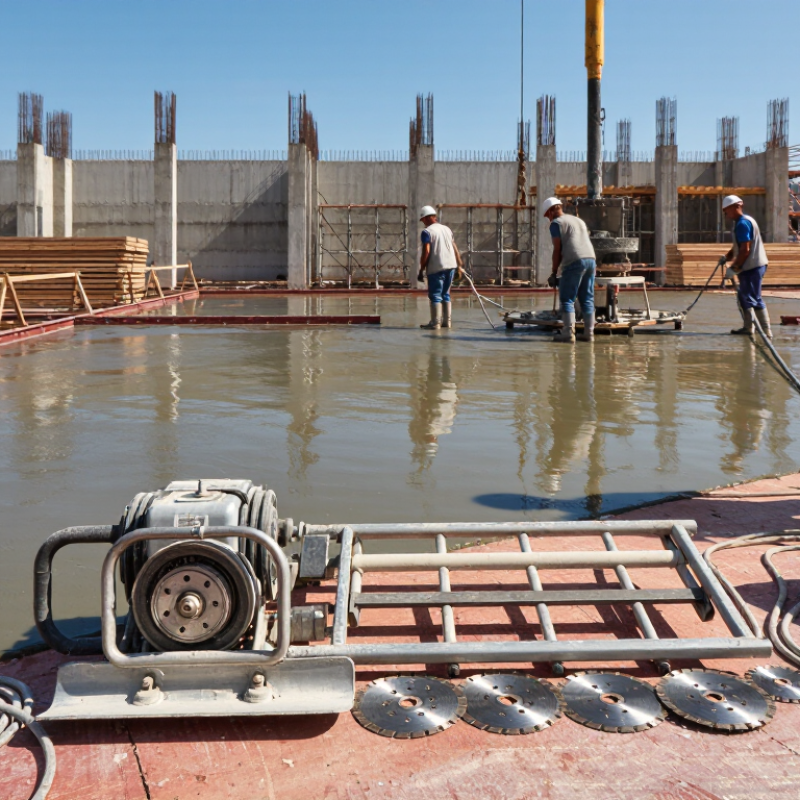
Table of Contents
[Hide]
Define the Concrete Work and Tool Requirements
Define the concrete work before comparing new tools. A basement slab needs different equipment than a narrow repair or decorative walkway. Measure the area, thickness, access path, and expected workload. Note whether the concrete will be placed, leveled, cut, drilled, or polished. Each task changes the tool requirements. Power availability matters too. A heavy electric tool may fail where only a small generator is practical.
Tip: Write a simple task list. Include material volume, surface finish, working hours, and crew size. This list prevents attractive but unsuitable purchases. Check blade depth, operating weight, vibration levels, and dust-control options. For wet concrete, confirm that the tool suits the mix and finishing stage. For cured concrete, select equipment rated for the required hardness. Safety guards and stable handles are essential, not optional extras.
I once underestimated access space and chose equipment that could not pass through a doorway. The delay cost more than the tool itself. That mistake still influences my buying process. I now measure every entrance and mark turning points on a sketch. A reliable specification also includes maintenance access, replacement parts, and operator training. Do not assume the largest tool is the best tool. Sometimes, it creates fatigue and uneven work. Review the plan with an experienced concrete professional when the surface, load, or job conditions are uncertain.
Related Posts
-
What Are the Best New Concrete Tools from China?
-

How to Choose the Right Concrete Tools for Your DIY Projects: Expert Tips & Trends
-
2025 How to Use Concrete Tools for Your Next Construction Project
-
10 Tips for Choosing Concrete Tools for Global Buyers
-

2026 Best New Concrete Tools for Your Construction Projects?
-

What Are the Best Concrete Finishing Tools?

© Copyright - Pro Tool & Supply - Site by SVM E-Marketing Solutions - Sitemap
- Privacy policy