- Products
- Air Compressors & Air Tools
- Climate Control
- Compaction Equipment
- Concrete Cutting Tools & Equipment
- Concrete and Masonry
- Demolition & Excavation
- Electrical & Mechanical
- Fasteners and Anchoring Adhesives
- Floor Protection
- Generators and Welders
- Hand Tools
- Heaters
- Janitorial and Office Supplies
- Jobsite Protection
- Ladders & Storage
- Lighting & Lighting Accessories
- Man Lifts
- Material Handling Equipment
- Power Tools
- Pressure Washers & Pumps
- Safety Gear
- Safety Products
- Saws
- Surface Preparation
- SEASONAL PRODUCTS
- Rentals
- Air Compressor and Air Tool Rentals
- Climate Control Rental
- Compaction Rentals
- Concrete Equipment Rentals
- Demolition & Excavation Equipment Rentals
- Concrete Floor Grinder Rentals
- General Construction Equipment Rentals
- Generator Rentals and Welder Rentals
- Heater Rentals
- Light Tower Rentals
- Man Lift Rentals in Massachusetts and Rhode Island
- Material Handling Equipment Rentals
- Pressure Washer & Pump Rentals
- Saw Rentals in New England
- SEASONAL PRODUCTS
- Products
- Air Compressors & Air Tools
- Climate Control
- Compaction Equipment
- Concrete Cutting Tools & Equipment
- Demolition & Excavation
- Electrical & Mechanical
- Floor Protection
- Generators and Welders
- Construction Heaters
- Construction Ladders, Staging, & Storage
- Construction Lighting
- Man Lifts
- Material Handling Equipment
- Industrial Janitorial and Office Supplies
- Pressure Washers & Pumps
- Construction Safety Products
- Construction Safety Gear
- Surface Preparation
- Building Protection
- Diesel Accessories
- Zero Emissions
- Rentals
- Air Compressor and Air Tool Rentals
- Climate Control Rental
- Compaction Rentals
- Concrete Equipment Rental
- Demolition & Excavation Equipment Rental
- General Construction Equipment Rental
- Generator Rentals and Welder Rentals
- Construction Heaters Rental
- Light Tower Rentals
- Man Lift Rentals
- Material Handling Equipment Rental
- Pressure Washer & Pump Rentals
- Saw Rentals in New England
- Concrete Floor Grinder Rentals
- Zero Emissions Rentals
- Repairs & Used
- Parts
- Blog
- Services
- Resources
- About Us
- Contact Us
Sales & Rental of Construction | Industrial Equipment & Supplies


What Are the Best New Concrete Tools from China?
China’s construction-equipment sector is producing new concrete tools for faster, cleaner, and more controlled jobsite work. These products include laser screeds, battery-powered vibrators, compact power trowels, concrete saws, pumps, and automatic curing sprayers. Many models now combine brushless motors, digital displays, adjustable vibration frequencies, and lighter aluminum frames.
Details matter. A contractor may notice the difference in a 2,000-square-meter warehouse floor, where uneven finishing can create costly repairs. A reliable laser screed should maintain stable leveling across long pours. A good vibrator should remove trapped air without damaging the mix. Compact power trowels can also improve edge finishing, especially where large machines cannot safely operate.
However, impressive specifications do not guarantee dependable field performance. Performance varies. Buyers should inspect motor quality, battery life, spare-parts access, operator training, and after-sales support. Independent testing, recognized safety documentation, and clear warranty terms deserve serious attention. Product demonstrations are useful, but real project trials reveal more than showroom claims.
This guide examines the most promising new concrete tools from China through a practical, evidence-based lens. It considers productivity, durability, maintenance, worker ergonomics, and value over the equipment’s service life. Some tools may offer excellent performance at a lower purchase price. Others may require compromises in calibration, documentation, or local technical support. That uncertainty matters. By comparing specifications with hands-on use and credible manufacturer information, contractors can make safer and more informed purchasing decisions.
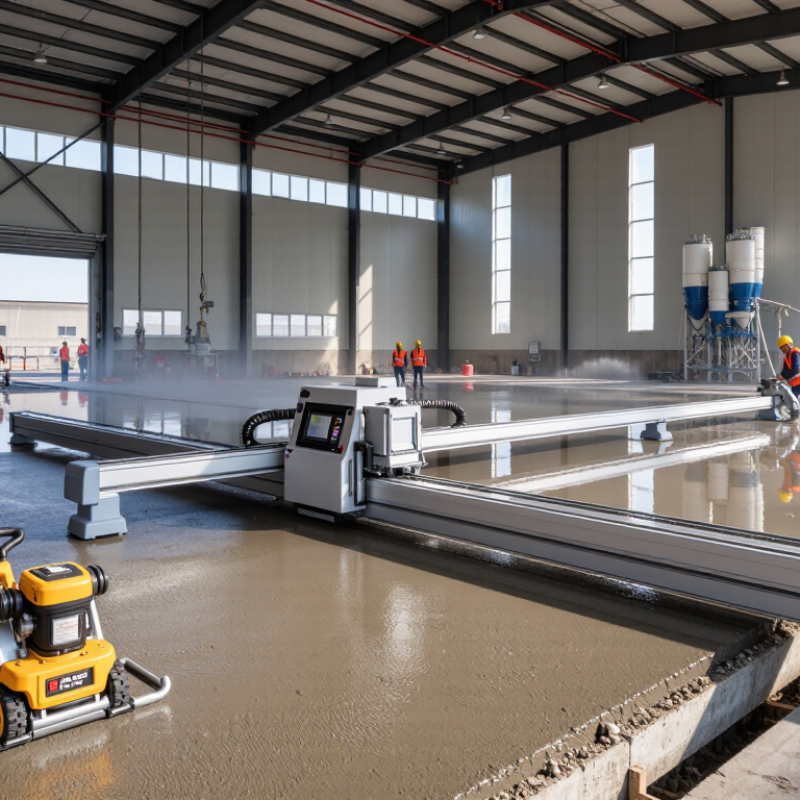
Table of Contents
[Hide]
China’s 2.02-Billion-Ton Cement Base and Demand for New Concrete Tools
China’s cement base, estimated at 2.02 billion tons, creates unusual pressure on concrete production. Such volume demands faster, cleaner, and more predictable tools. A small moisture error can affect hundreds of batches. Small errors multiply.
The most useful new tools combine sensors, automation, and practical site control. Moisture sensors can adjust water content before mixing begins. Digital batching systems record cement, aggregate, and admixture quantities for each load. Low-energy mixers can reduce power use while maintaining uniform blending. Robotic screeding and laser-guided leveling may also improve floor accuracy, especially across large warehouses and transport projects.
Dust-control equipment deserves equal attention. Enclosed transfer points, vacuum systems, and quieter electric tools can improve working conditions near crowded sites. These improvements matter when production runs continuously. However, automation is not a complete solution. Sensors require regular calibration, and imported data may not match local aggregates or weather. Operators still need training and judgment. A perfect screen cannot correct poor maintenance.
The 2.02-billion-ton scale also increases demand for tools that reduce waste. Reclaimed-water monitoring, rapid strength testing, and digital curing records can help contractors avoid unnecessary cement use. Yet cost remains a real barrier for smaller projects. The best equipment may be the tool that survives dust, heat, rushed schedules, and imperfect human decisions. That standard is harder than impressive specifications.
Related Posts
-

7 Best Concrete Hand Tools for Global Buyers?
-

What Are the Best Concrete Finishing Tools?
-
10 Tips for Choosing Concrete Tools for Global Buyers
-

How to Choose the Right Concrete Tools for Your DIY Projects: Expert Tips & Trends
-
2025 How to Use Concrete Tools for Your Next Construction Project
-

2026 Best New Concrete Tools for Your Construction Projects?

© Copyright - Pro Tool & Supply - Site by SVM E-Marketing Solutions - Sitemap
- Privacy policy