- Products
- Air Compressors & Air Tools
- Climate Control
- Compaction Equipment
- Concrete Cutting Tools & Equipment
- Concrete and Masonry
- Demolition & Excavation
- Electrical & Mechanical
- Fasteners and Anchoring Adhesives
- Floor Protection
- Generators and Welders
- Hand Tools
- Heaters
- Janitorial and Office Supplies
- Jobsite Protection
- Ladders & Storage
- Lighting & Lighting Accessories
- Man Lifts
- Material Handling Equipment
- Power Tools
- Pressure Washers & Pumps
- Safety Gear
- Safety Products
- Saws
- Surface Preparation
- SEASONAL PRODUCTS
- Rentals
- Air Compressor and Air Tool Rentals
- Climate Control Rental
- Compaction Rentals
- Concrete Equipment Rentals
- Demolition & Excavation Equipment Rentals
- Concrete Floor Grinder Rentals
- General Construction Equipment Rentals
- Generator Rentals and Welder Rentals
- Heater Rentals
- Light Tower Rentals
- Man Lift Rentals in Massachusetts and Rhode Island
- Material Handling Equipment Rentals
- Pressure Washer & Pump Rentals
- Saw Rentals in New England
- SEASONAL PRODUCTS
- Products
- Air Compressors & Air Tools
- Climate Control
- Compaction Equipment
- Concrete Cutting Tools & Equipment
- Demolition & Excavation
- Electrical & Mechanical
- Floor Protection
- Generators and Welders
- Construction Heaters
- Construction Ladders, Staging, & Storage
- Construction Lighting
- Man Lifts
- Material Handling Equipment
- Industrial Janitorial and Office Supplies
- Pressure Washers & Pumps
- Construction Safety Products
- Construction Safety Gear
- Surface Preparation
- Building Protection
- Diesel Accessories
- Zero Emissions
- Rentals
- Air Compressor and Air Tool Rentals
- Climate Control Rental
- Compaction Rentals
- Concrete Equipment Rental
- Demolition & Excavation Equipment Rental
- General Construction Equipment Rental
- Generator Rentals and Welder Rentals
- Construction Heaters Rental
- Light Tower Rentals
- Man Lift Rentals
- Material Handling Equipment Rental
- Pressure Washer & Pump Rentals
- Saw Rentals in New England
- Concrete Floor Grinder Rentals
- Zero Emissions Rentals
- Repairs & Used
- Parts
- Blog
- Services
- Resources
- About Us
- Contact Us
Sales & Rental of Construction | Industrial Equipment & Supplies


10 Tips for Choosing Concrete Tools for Global Buyers
Choosing the right concrete tools is rarely as simple as comparing prices online. Global buyers must consider performance, safety, maintenance, shipping, and supplier reliability. A finishing trowel that works well on a dry site may perform differently in humid coastal conditions. A compact mixer may suit small renovations but fail under continuous commercial use. Details matter.
This guide presents ten practical tips for evaluating concrete tools across different markets. It focuses on blade quality, motor performance, ergonomic design, spare-part access, technical documentation, and after-sales support. Buyers should request clear specifications, product samples, warranty terms, and inspection records before placing large orders. Reliable suppliers can explain testing methods and recommend tools for specific concrete grades and working environments. Experience also shows that the cheapest quotation is not always the lowest total cost. Frequent repairs, delayed parts, and unclear instructions can quickly reduce savings. Even experienced purchasers get this wrong. That deserves attention.
Weather, transport conditions, local voltage, and operator training can influence tool performance. These factors should be checked before approval. A professional buying process compares measurable features rather than attractive product photos. It also leaves room for practical testing on a real job site. No single solution fits every contractor or region. Some recommendations may need adjustment. Still, careful research can reduce costly mistakes and improve productivity. The following tips are designed to help international buyers select concrete tools with greater confidence, consistency, and long-term value.

Table of Contents
[Hide]
Define the Concrete Tool Requirements for Your Project
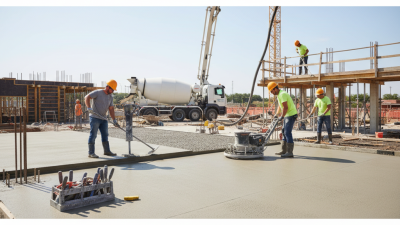
Before purchasing concrete tools, define the work conditions in writing. Identify concrete strength, slab thickness, surface area, and daily output. A small repair needs different equipment from a 2,000-square-meter industrial floor. Measure access points too. A narrow gate can reject an otherwise suitable machine.
Specify the required task, not just the tool name. Mixing, pouring, vibrating, cutting, grinding, and finishing each demand different power and control. Record electricity type, fuel availability, water access, and operating hours. For remote sites, calculate transport weight and storage space. Noise limits and dust-control expectations also affect selection. During site assessments, I check floor unevenness, weather exposure, and nearby structures before comparing specifications. These details often reveal hidden costs.
Safety and maintenance belong in the requirement sheet. Look for guarded moving parts, emergency controls, stable handles, and clear operating instructions. Ask whether replacement components and trained service support are available in the destination market. Documentation should include capacity, tolerances, inspection intervals, and recommended protective equipment. I once focused too heavily on output and underestimated cleanup time. That mistake changed the final schedule. A trial run with the actual mix can expose vibration problems, awkward controls, or excess material waste. Leave room for revision. Real sites rarely match the drawings.
Related Posts
-

How to Choose the Right Concrete Tools for Your DIY Projects: Expert Tips & Trends
-
2025 How to Use Concrete Tools for Your Next Construction Project
-

Top 10 Concrete Hand Tools Every DIYer Should Have and Tips for Using Them
-

2026 Best Concrete Finishing Tools for Professionals and DIYers?
-

Top 10 Demolition Tools You Need for Effective Projects?
-

Top 10 New Tools Transforming Digital Workflows You Need to Know About

© Copyright - Pro Tool & Supply - Site by SVM E-Marketing Solutions - Sitemap
- Privacy policy