- Products
- Air Compressors & Air Tools
- Climate Control
- Compaction Equipment
- Concrete Cutting Tools & Equipment
- Concrete and Masonry
- Demolition & Excavation
- Electrical & Mechanical
- Fasteners and Anchoring Adhesives
- Floor Protection
- Generators and Welders
- Hand Tools
- Heaters
- Janitorial and Office Supplies
- Jobsite Protection
- Ladders & Storage
- Lighting & Lighting Accessories
- Man Lifts
- Material Handling Equipment
- Power Tools
- Pressure Washers & Pumps
- Safety Gear
- Safety Products
- Saws
- Surface Preparation
- SEASONAL PRODUCTS
- Rentals
- Air Compressor and Air Tool Rentals
- Climate Control Rental
- Compaction Rentals
- Concrete Equipment Rentals
- Demolition & Excavation Equipment Rentals
- Concrete Floor Grinder Rentals
- General Construction Equipment Rentals
- Generator Rentals and Welder Rentals
- Heater Rentals
- Light Tower Rentals
- Man Lift Rentals in Massachusetts and Rhode Island
- Material Handling Equipment Rentals
- Pressure Washer & Pump Rentals
- Saw Rentals in New England
- SEASONAL PRODUCTS
- Products
- Air Compressors & Air Tools
- Climate Control
- Compaction Equipment
- Concrete Cutting Tools & Equipment
- Demolition & Excavation
- Electrical & Mechanical
- Floor Protection
- Generators and Welders
- Construction Heaters
- Construction Ladders, Staging, & Storage
- Construction Lighting
- Man Lifts
- Material Handling Equipment
- Industrial Janitorial and Office Supplies
- Pressure Washers & Pumps
- Construction Safety Products
- Construction Safety Gear
- Surface Preparation
- Building Protection
- Diesel Accessories
- Zero Emissions
- Rentals
- Air Compressor and Air Tool Rentals
- Climate Control Rental
- Compaction Rentals
- Concrete Equipment Rental
- Demolition & Excavation Equipment Rental
- General Construction Equipment Rental
- Generator Rentals and Welder Rentals
- Construction Heaters Rental
- Light Tower Rentals
- Man Lift Rentals
- Material Handling Equipment Rental
- Pressure Washer & Pump Rentals
- Saw Rentals in New England
- Concrete Floor Grinder Rentals
- Zero Emissions Rentals
- Repairs & Used
- Parts
- Blog
- Services
- Resources
- About Us
- Contact Us
Sales & Rental of Construction | Industrial Equipment & Supplies


Top 10 Demolition Tools You Need for Effective Projects?
When it comes to demolition projects, having the right tools is essential. John Smith, a demolition expert with over 20 years of experience, once said, "The right demolition tools can make or break your project." This statement underscores the importance of selecting suitable equipment for effective outcomes.
Demolition tools encompass various specialized equipment designed for different tasks. For instance, sledgehammers and jackhammers are pivotal for breaking concrete structures. On the other hand, tools like excavators and bulldozers handle larger, bulkier demolitions. Each tool plays a unique role, contributing to the efficiency and safety of the demolition process.
However, choosing the right demolition tools can be challenging. Many novice contractors overlook the importance of quality. Using inferior tools can lead to delays and unsafe working conditions. Additionally, understanding how to operate these tools correctly is vital. This expertise can significantly impact the overall success of any project. As the industry evolves, staying updated on new developments in demolition tools remains critical for professionals.
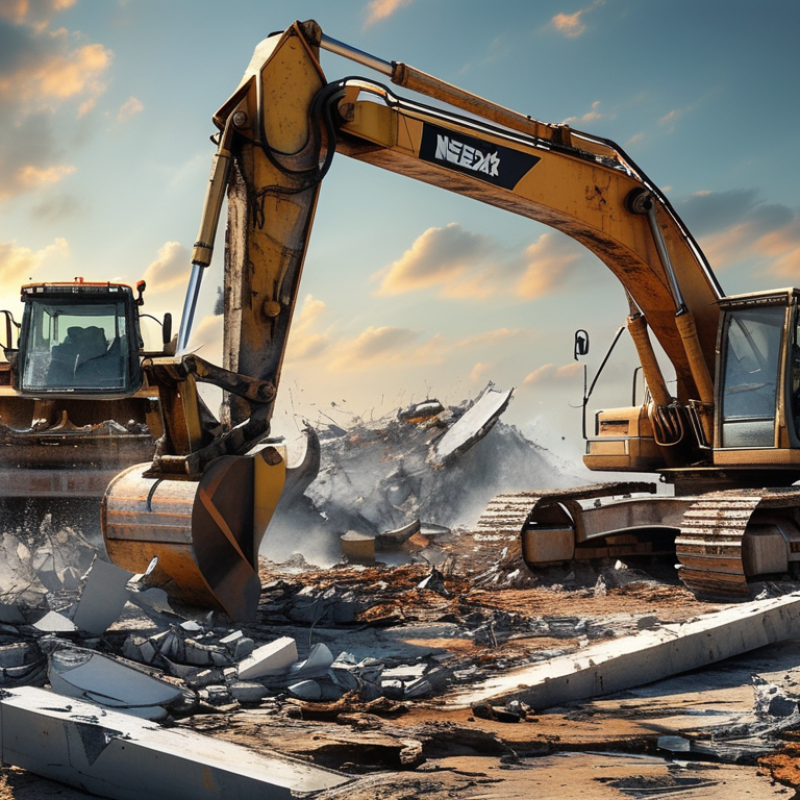
Table of Contents
[Hide]
Essential Safety Gear for Demolition Work
When it comes to demolition work, safety is paramount. The right gear can make a significant difference. Hard hats provide crucial head protection. Eye protection shields against flying debris. Hearing protection is also essential. Prolonged exposure to loud noises can cause long-term damage. Wearing gloves can prevent cuts and scrapes from sharp objects.
Sturdy work boots with steel toes add an extra layer of safety. They protect your feet from heavy falling items. High-visibility vests are important too. They help ensure that everyone on the site can see you. Respirators are vital for dusty environments. They filter harmful particles from the air.
Having the right gear is not just about compliance. It’s about creating a safe environment for everyone. Accidents can happen even with the best preparation. Reflecting on past projects can help you improve safety. Regularly assessing your equipment can ensure it meets safety standards. Always be mindful that safety must come first in demolition work.
Top 10 Demolition Tools You Need for Effective Projects - Essential Safety Gear for Demolition Work
| Tool Name | Description | Safety Gear | Use Case |
|---|---|---|---|
| Sledgehammer | Heavy-duty tool for breaking down walls and structures. | Hard hat, gloves, eye protection | Demolishing brick or concrete |
| Reciprocating Saw | Electric saw for cutting wood, metal, and drywall. | Earplugs, safety goggles | Detailed cuts in tight spaces |
| Demolition Hammer | Power tool designed for breaking concrete. | Dust mask, gloves, hard hat | Breaking reinforced concrete |
| Jackhammer | Pneumatic or electric tool for breaking down hard surfaces. | Vibration-proof gloves, ear protection | Removing pavement or asphalt |
| Crowbar | Leverage tool for prying apart structures. | Safety glasses, gloves | Removing nails or breaking materials apart |
| Cutting Torch | Used for cutting metal structures. | Flame-resistant clothing, goggles | Demolishing steel structures |
| Concrete Mixer | Machine for mixing concrete for various tasks. | Dust mask, gloves, eye protection | Preparation of new concrete after demolition |
| Chipping Hammer | Lightweight tool for chiseling concrete and masonry. | Safety goggles, hard hat | Precision demolition tasks |
| Laser Level | Device for measuring and leveling before demolition. | None required expressly | Planning layout and alignment |
| Safety Harness | Used for fall protection when working at heights. | N/A | Working on elevated platforms |
Related Posts
-
2026 Best Demolition Tools for Efficient Home Renovation?
-

New Tools Tips for Effective Productivity in 2025?
-
Best 10 Construction Tools You Need for Your Next Project?
-

2025 How to Choose the Best New Electrical Tools for Your Projects
-

Top 10 Pro Tools for Creative Professionals in 2026
-
Top Machine Tools for Precision Engineering You Need to Know About

© Copyright - Pro Tool & Supply - Site by SVM E-Marketing Solutions - Sitemap
- Privacy policy