- Products
- Air Compressors & Air Tools
- Climate Control
- Compaction Equipment
- Concrete Cutting Tools & Equipment
- Concrete and Masonry
- Demolition & Excavation
- Electrical & Mechanical
- Fasteners and Anchoring Adhesives
- Floor Protection
- Generators and Welders
- Hand Tools
- Heaters
- Janitorial and Office Supplies
- Jobsite Protection
- Ladders & Storage
- Lighting & Lighting Accessories
- Man Lifts
- Material Handling Equipment
- Power Tools
- Pressure Washers & Pumps
- Safety Gear
- Safety Products
- Saws
- Surface Preparation
- SEASONAL PRODUCTS
- Rentals
- Air Compressor and Air Tool Rentals
- Climate Control Rental
- Compaction Rentals
- Concrete Equipment Rentals
- Demolition & Excavation Equipment Rentals
- Concrete Floor Grinder Rentals
- General Construction Equipment Rentals
- Generator Rentals and Welder Rentals
- Heater Rentals
- Light Tower Rentals
- Man Lift Rentals in Massachusetts and Rhode Island
- Material Handling Equipment Rentals
- Pressure Washer & Pump Rentals
- Saw Rentals in New England
- SEASONAL PRODUCTS
- Products
- Air Compressors & Air Tools
- Climate Control
- Compaction Equipment
- Concrete Cutting Tools & Equipment
- Demolition & Excavation
- Electrical & Mechanical
- Floor Protection
- Generators and Welders
- Construction Heaters
- Construction Ladders, Staging, & Storage
- Construction Lighting
- Man Lifts
- Material Handling Equipment
- Industrial Janitorial and Office Supplies
- Pressure Washers & Pumps
- Construction Safety Products
- Construction Safety Gear
- Surface Preparation
- Building Protection
- Diesel Accessories
- Zero Emissions
- Rentals
- Air Compressor and Air Tool Rentals
- Climate Control Rental
- Compaction Rentals
- Concrete Equipment Rental
- Demolition & Excavation Equipment Rental
- General Construction Equipment Rental
- Generator Rentals and Welder Rentals
- Construction Heaters Rental
- Light Tower Rentals
- Man Lift Rentals
- Material Handling Equipment Rental
- Pressure Washer & Pump Rentals
- Saw Rentals in New England
- Concrete Floor Grinder Rentals
- Zero Emissions Rentals
- Repairs & Used
- Parts
- Blog
- Services
- Resources
- About Us
- Contact Us
Sales & Rental of Construction | Industrial Equipment & Supplies


2026 Best Concrete Finishing Tools for Professionals and DIYers?
When it comes to concrete finishing tools, the right equipment makes all the difference. Expert contractor Jane Smith emphasizes, “The quality of your finishing tools directly impacts the final product.” Whether you are a professional or a DIY enthusiast, choosing the best tools is crucial for achieving a smooth and durable finish.
In 2026, the market offers a diverse range of concrete finishing tools that cater to different skill levels and project requirements. From trowels to float pans, each tool has its own unique function. Many people underestimate the importance of using the right finishing tools. This can lead to uneven surfaces and additional repair work.
Selecting concrete finishing tools requires careful consideration. Professionals often rely on trusted brands, while DIYers may opt for budget-friendly options. It's important to remember that not all tools perform equally. A tool that works well for one project might not for another. Hence, understanding your specific needs is key in making the right choice.
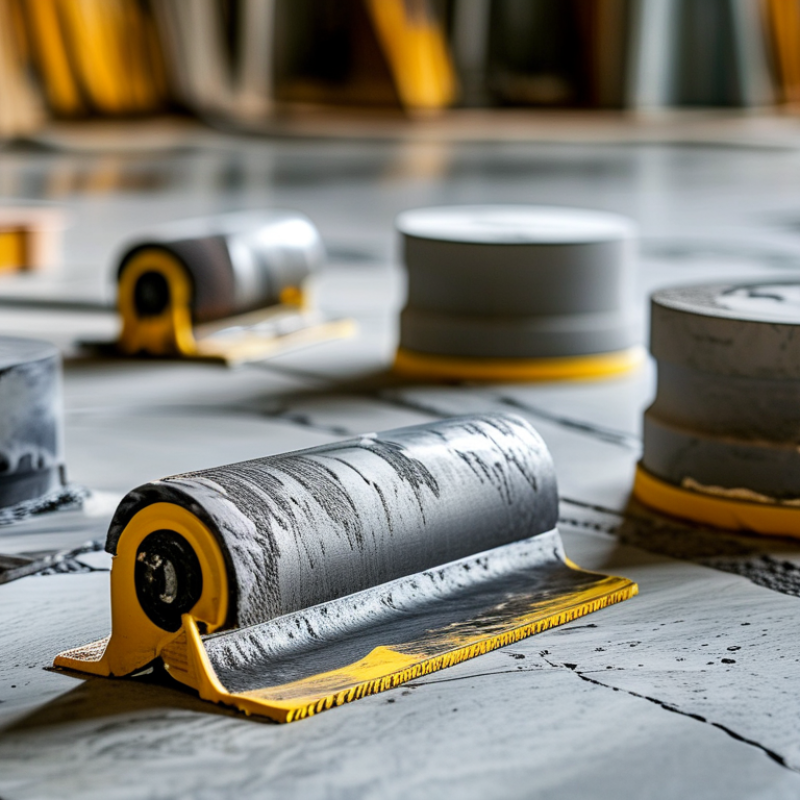
Table of Contents
[Hide]
2026 Overview of Concrete Finishing Tools Essential for Professionals
Concrete finishing is an essential aspect of construction. Proper tools make a significant difference in the quality of the finished project. Professionals and DIYers alike need reliable tools to achieve the best results. Whether you are working on a large commercial site or a small home project, having the right equipment is key.
One crucial tool is the float. This tool helps to smooth the surface of the concrete. It can eliminate imperfections and create a polished look. A trowel is also necessary for detailed work. It allows for precise edge finishing. Both professionals and enthusiasts often overlook these small but vital tools. They might focus only on the larger equipment.
Choosing the right concrete finishing tools involves some trial and error. You may discover that some tools do not work as expected. An inexperienced DIYer might struggle with achieving an even texture. It's important to practice and reflect on what works best for your specific needs. Investing time in understanding these tools leads to better outcomes. In the world of concrete finishing, experience and the right tools elevate the quality of the work significantly.
Related Posts
-
Top Concrete Finishing Tools You Need in 2026 for Perfect Results
-
How to Choose the Right Concrete Tools for Your DIY Projects: Expert Tips & Trends
-

Top 10 New Tools Revolutionizing Digital Marketing in 2024: Enhance Your Strategy with Data-Driven Insights
-
10 Essential Contractor Tools Every Professional Needs for Success
-
Top 10 Tips for Choosing the Best Concrete Cutting Tools?
-

How to Choose the Best Professional Tools for Your Business Needs?

© Copyright - Pro Tool & Supply - Site by SVM E-Marketing Solutions - Sitemap
- Privacy policy