Sales & Rental of Construction | Industrial Equipment & Supplies

What Are the Top Types of Equipment Tools?

Equipment tools are easy to take for granted until a task stalls because the wrong tool is on site. A drill, a torque wrench, and a lifting device solve very different problems. Choosing well affects pace, precision, and safety. It also depends on the work: a compact renovation crew has different needs from a road-building team.

The U.S. Bureau of Labor Statistics projects employment for construction equipment operators to grow 4% from 2023 to 2033, according to its Occupational Outlook Handbook. That forecast describes jobs, not tool sales, but it signals continuing work that depends on capable operators and suitable equipment. Safety deserves equal attention. The BLS Census of Fatal Occupational Injuries recorded 1,075 fatal work injuries in the construction industry in 2023. Those deaths cannot be attributed to equipment alone. Still, they underline why inspection, training, and protective gear belong in any equipment discussion.

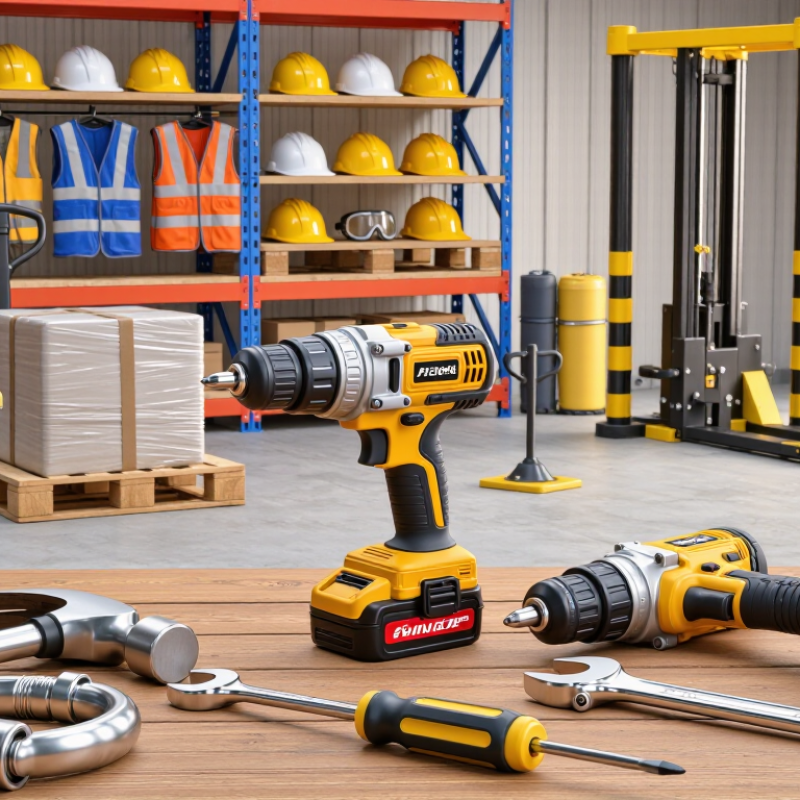
This guide looks at widely used types: hand tools, power tools, material-handling equipment, measuring and diagnostic devices, and personal protective equipment. Think of a level checking a cabinet, a cordless impact driver fastening a bracket, or a pallet jack moving a heavy load. Each tool has limits. A powerful model is not automatically the right one, and a low price can hide maintenance costs. There is no universal ranking; the best choice depends on the task, the user’s skill, and the working conditions. That distinction is easy to overlook.
What Are the Top Types of Equipment Tools?

How Equipment Tools Are Classified

Equipment tools are best classified by their function, power source, and mobility. This makes selection more practical than sorting them by appearance. Hand tools rely on human force: a wrench turns fasteners, while a chisel shapes wood. Power tools use electricity, batteries, or compressed air to reduce effort on repetitive tasks. They can save time, but they also need suitable setup and maintenance.

Another useful group includes measuring and inspection tools, such as tape measures, levels, and calipers. They help workers check dimensions before cutting or fitting parts. Material-handling equipment, including carts and lifting devices, moves heavy or awkward loads. Access equipment, such as ladders and work platforms, helps people reach elevated areas. Keep safety gear in a separate category; it supports safe work, but does not perform the main task.

These groups can overlap. A portable powered tool may also be classified by its energy source, and a lifting device may be stationary or mobile. That is normal. On a job site, labels rarely explain every detail. A better checklist records what the tool does, how it operates, where it can be used, and what inspection it needs. Small distinctions matter. A tool that looks suitable may still be too heavy, inaccurate, or awkward for the actual task.

Hand Tools for Manual and Precision Tasks

Hand tools remain essential when a task calls for control, quick adjustments, or work in a tight space. A well-fitted screwdriver can turn a small fastener without scraping the surrounding surface. Pliers help grip wire or hold a part steady, while a fine-toothed hand saw can make careful cuts without a motor’s vibration. Small details matter. The right tool should feel balanced, not force the wrist into an awkward angle.

For precision work, choose tools that match the material and the size of the job. A narrow file can smooth a rough edge gradually; a measuring tape and a sharp pencil help keep cuts aligned. Keep the workpiece secure before cutting or drilling by hand. It is easy to rush a measurement and discover the mistake only after the material is cut. That has happened to experienced people, too.

Inspect handles for cracks and working edges for chips or excessive wear. Clean tools after use, and store sharp edges so they cannot damage other equipment or cause accidental cuts. A tool that looks sturdy may still slip if its handle is oily. I sometimes overestimate what a small hand tool can do; stopping to select a better fit is usually wiser than pushing harder.

What Are the Top Types of Equipment Tools? - Hand Tools for Manual and Precision Tasks
Tool Type Common Examples Typical Tasks Useful Features Care and Safe Use
Measuring and Marking Tools Tape measure, steel rule, combination square, marking gauge Measuring lengths, checking angles, and marking cut or drilling lines Clear graduations; a rigid edge or adjustable fence helps transfer measurements Keep scales clean and readable; check measuring tools against a known reference when accuracy matters
Cutting Tools Hand saw, utility knife, coping saw, hacksaw Cutting wood, sheet materials, plastic, or metal, depending on the blade Blade teeth and shape should match the material and the type of cut Use a suitable blade, secure the workpiece, and keep hands clear of the cutting path
Driving and Fastening Tools Slotted and cross-head screwdrivers, hex keys, manual nut driver Installing or removing screws, bolts, and other threaded fasteners A correctly sized tip improves contact and helps reduce damage to the fastener Choose the matching tip size and keep the tool aligned with the fastener
Wrenches and Spanners Open-end wrench, box-end wrench, combination wrench, adjustable wrench Turning nuts and bolts during assembly, repair, and maintenance Box-end styles provide contact around more sides of a fastener; adjustable jaws fit a range of sizes Use the correct size where possible and pull steadily rather than applying sudden force
Pliers and Gripping Tools Combination pliers, long-nose pliers, locking pliers, slip-joint pliers Gripping, bending, holding, or cutting wire and small components Long, narrow jaws can reach confined areas; cutting edges are designed for specific materials Do not use pliers as a substitute for a wrench on fasteners; inspect handles and jaws for damage
Hammers and Striking Tools Claw hammer, ball-peen hammer, soft-face mallet Driving nails, shaping metal, or tapping parts into position Head material and shape affect the impact; a soft-face mallet can reduce surface marking Check that the head is secure and wear eye protection when striking hard materials
Files and Abrasive Hand Tools Flat file, round file, half-round file, hand sanding block Removing small amounts of material, smoothing edges, and refining a fit File shape and cut suit different profiles and finishing needs Use a properly fitted handle on files and clean abrasive surfaces when they become clogged
Precision Hand Tools Caliper, feeler gauge, precision screwdriver, tweezers Checking small dimensions, setting clearances, and handling small components Fine adjustment and narrow tips support controlled work in tight spaces Store in a clean, dry place and avoid forcing delicate tips or measuring faces

Power Tools for Efficient, Forceful Work

Power Tools for Efficient, Forceful Work

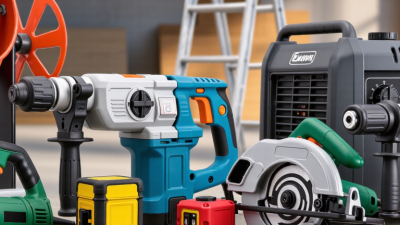
Power tools help turn demanding jobs into manageable tasks. A drill drives screws through dense timber with less strain, while a circular saw makes long, straight cuts faster than a hand saw. For demolition or material removal, a rotary hammer can deliver repeated impact through masonry. Choose a tool for the material and task, not simply for its power rating. More force is not always better.

Control matters. A heavy tool can tire the arms, and a fast cut can splinter a board if the workpiece shifts. Clamp the material, keep both hands positioned as instructed, and wear eye and hearing protection. Check the cord, battery, guard, and bit before starting. Small checks prevent frustrating interruptions.

Dust can also build quickly indoors, so use suitable extraction and follow the tool’s instructions. A useful habit is to test a setting on scrap material before committing to the finished piece. I would not assume the first setting is right; even experienced users can misjudge a surface.

Pause when vibration, heat, or noise changes noticeably, and inspect the tool rather than forcing it through the job.

Heavy Equipment for Large-Scale Operations

Heavy equipment supports large-scale work where hand tools and compact machines cannot move enough material. Excavators dig foundations, trenches, and drainage channels. Bulldozers push soil across broad areas, while wheel loaders move aggregate into trucks or stockpiles. Articulated dump trucks carry heavy loads over rough, uneven ground. Cranes lift materials when height and reach matter. Each machine has a different role. That matters.

Choosing equipment depends on the site, not just the task. Check ground conditions, access routes, load requirements, and working space before mobilizing machinery. On a muddy site, a machine suited to firm ground may lose traction or cause delays. Operators should be trained for the specific equipment, and daily inspections can catch worn tires, leaks, or damaged attachments early. I have seen plans overlook turning space; even a capable machine can become awkward when access is tight. No machine is universal.

Tips: Match machine capacity to the job and material. Keep people clear of operating zones, and follow the equipment manual. Recheck conditions when weather changes. A small planning adjustment can prevent costly downtime.

Specialty Tools for Industry-Specific Needs

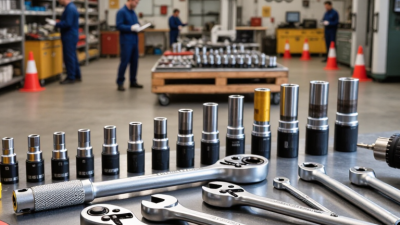
Specialty tools solve tasks that standard equipment handles poorly. In a machine shop, a calibrated torque wrench helps technicians tighten fasteners to specified values. For pipe fabrication, a beveling tool creates consistent edges before joining. Small differences matter: uneven preparation can lead to rework, delays, or weak connections. The right tool should match the material, tolerance, and working space.

Food-processing facilities often need washdown-rated tools that resist moisture and cleaning agents. Electrical maintenance teams may use insulated hand tools, but insulation must be inspected and rated for the intended task. Not every specialized tool is safer or more efficient by default. Operators still need training, clear procedures, and routine checks. That part is easy to overlook.

A useful selection process starts with the job itself. Note the required accuracy, operating conditions, and how often the tool will be used. Then check its capacity, compatibility, replacement parts, and maintenance needs. A spec sheet can look complete, yet leave out details that matter on a crowded workbench. I may be overcautious, but trialing a tool on a limited task can reveal awkward grips or poor access before wider adoption. Fit matters. The most advanced option may not be the best one for a small repair crew.

What Are the Top Types of Equipment Tools?

Specialty torque tools serve different fastening needs, from precision assembly to heavy industrial bolting.

The chart compares representative upper torque capacities in newton-metres (N·m). Actual capacities vary by tool model and application; hydraulic torque tools are designed for the highest-load bolting jobs.

© Copyright - Pro Tool & Supply - Site by SVM E-Marketing Solutions - Sitemap - Privacy policy