- Products
- Air Compressors & Air Tools
- Climate Control
- Compaction Equipment
- Concrete Cutting Tools & Equipment
- Concrete and Masonry
- Demolition & Excavation
- Electrical & Mechanical
- Fasteners and Anchoring Adhesives
- Floor Protection
- Generators and Welders
- Hand Tools
- Heaters
- Janitorial and Office Supplies
- Jobsite Protection
- Ladders & Storage
- Lighting & Lighting Accessories
- Man Lifts
- Material Handling Equipment
- Power Tools
- Pressure Washers & Pumps
- Safety Gear
- Safety Products
- Saws
- Surface Preparation
- SEASONAL PRODUCTS
- Rentals
- Air Compressor and Air Tool Rentals
- Climate Control Rental
- Compaction Rentals
- Concrete Equipment Rentals
- Demolition & Excavation Equipment Rentals
- Concrete Floor Grinder Rentals
- General Construction Equipment Rentals
- Generator Rentals and Welder Rentals
- Heater Rentals
- Light Tower Rentals
- Man Lift Rentals in Massachusetts and Rhode Island
- Material Handling Equipment Rentals
- Pressure Washer & Pump Rentals
- Saw Rentals in New England
- SEASONAL PRODUCTS
- Products
- Air Compressors & Air Tools
- Climate Control
- Compaction Equipment
- Concrete Cutting Tools & Equipment
- Demolition & Excavation
- Electrical & Mechanical
- Floor Protection
- Generators and Welders
- Construction Heaters
- Construction Ladders, Staging, & Storage
- Construction Lighting
- Man Lifts
- Material Handling Equipment
- Industrial Janitorial and Office Supplies
- Pressure Washers & Pumps
- Construction Safety Products
- Construction Safety Gear
- Surface Preparation
- Building Protection
- Diesel Accessories
- Zero Emissions
- Rentals
- Air Compressor and Air Tool Rentals
- Climate Control Rental
- Compaction Rentals
- Concrete Equipment Rental
- Demolition & Excavation Equipment Rental
- General Construction Equipment Rental
- Generator Rentals and Welder Rentals
- Construction Heaters Rental
- Light Tower Rentals
- Man Lift Rentals
- Material Handling Equipment Rental
- Pressure Washer & Pump Rentals
- Saw Rentals in New England
- Concrete Floor Grinder Rentals
- Zero Emissions Rentals
- Repairs & Used
- Parts
- Blog
- Services
- Resources
- About Us
- Contact Us
Sales & Rental of Construction | Industrial Equipment & Supplies


Why Are Tool Tools Important for Global Buyers?
Why Are Tool Tools Important for Global Buyers?
Global buyers increasingly evaluate tool tools as strategic production assets, not simple catalogue items. A drill, torque wrench, or cutting tool may determine output quality, worker safety, and maintenance costs. The decision becomes harder when suppliers operate across different currencies, standards, languages, and delivery networks.
Grand View Research estimated the global hand tools market at approximately USD 24.6 billion in 2023. Its report also projects continued growth through 2030, supported by construction, manufacturing, automotive repair, and do-it-yourself demand. Fortune Business Insights similarly identifies industrial expansion and infrastructure investment as major market drivers. These figures show scale, but they do not prove supplier reliability. A large market can still contain inconsistent specifications and weak after-sales support.
Small details matter.
A global buyer may compare two identical-looking torque wrenches. One includes calibration records, traceable materials, and replacement parts. The other offers only a lower price. The cheaper option may become expensive after inaccurate measurements, production delays, or repeated purchasing.
Manufacturing-quality expert W. Edwards Deming stated, “Quality comes not from inspection, but from the improvement of the production process.” His principle remains highly relevant to tool tools procurement. Buyers should examine factory controls, testing methods, certification evidence, packaging, and supplier history before placing orders.
Still, no report answers every purchasing question. Market data can describe demand, but practical experience reveals hidden friction. Shipping damage, unclear tolerances, and delayed technical replies are easy to underestimate. Reliable sourcing therefore requires evidence, careful comparison, and a willingness to question attractive offers.
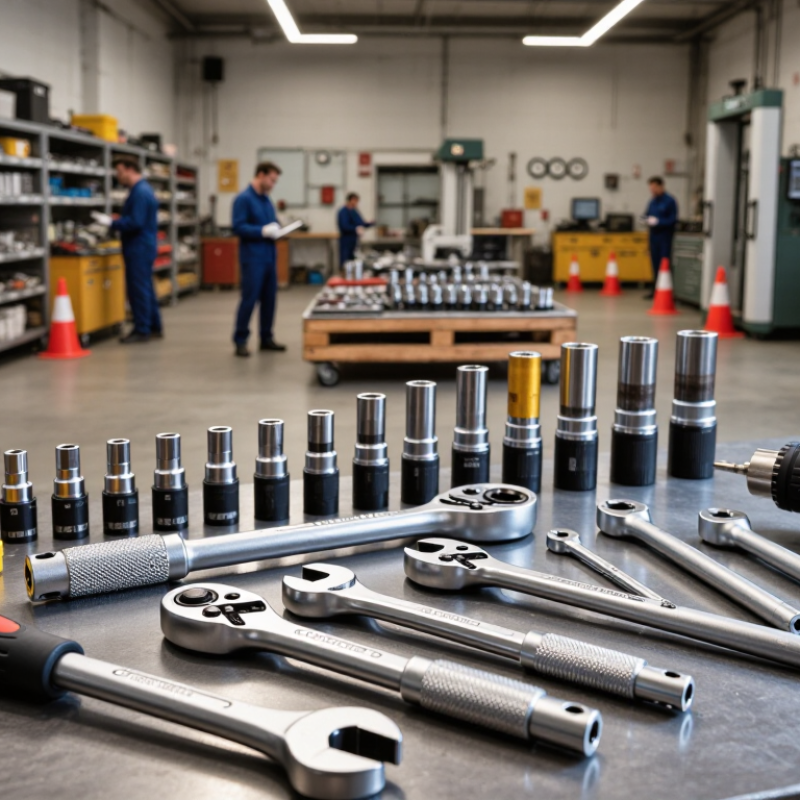
Table of Contents
[Hide]
What Tool Tools Are and Why They Matter in Global Trade
Tool tools are the practical instruments global buyers use to find, evaluate, purchase, and manage industrial tools across borders. The term is not always used consistently. It may describe product specification sheets, supplier databases, quotation templates, inspection checklists, and shipment-tracking systems. Together, these tools turn scattered information into decisions that buyers can review and explain.
A professional buyer may compare steel grade, size tolerance, coating, packaging, minimum order quantity, and delivery time. A clear comparison table can reveal hidden differences between two similar products. Measurement records also matter. A buyer who checks sample dimensions before mass production can reduce costly returns.
Product photos help, but they cannot replace verified test results. This is where practical experience remains important.
Tool tools also support reliable global trade practices. They help buyers organize invoices, packing lists, certificates, and transport details. They can flag missing information before goods leave the warehouse. Currency and freight calculations improve cost planning, although estimates are never perfect. Duties, delivery delays, and inspection findings can still change the final price. I have seen well-prepared orders slow down because one specification was vague. That mistake is easy to repeat.
Buyers should question unclear claims, request traceable evidence, and confirm that products meet applicable safety and import requirements. A simple checklist often prevents a complicated dispute.
Related Posts
-

Top 10 Pro Tools for Creative Professionals in 2026
-
Top 10 Contractor Tools You Need for Efficient Projects?
-

10 Essential Tips for Choosing the Right Construction Tools for Your Projects?
-
2026 Best Construction Tools for Every Builder's Toolkit?
-
Top Building Tools in China for Global Buyers?
-

Top 10 Work Tools Every Global Buyer Needs to Succeed?

© Copyright - Pro Tool & Supply - Site by SVM E-Marketing Solutions - Sitemap
- Privacy policy