Sales & Rental of Construction | Industrial Equipment & Supplies

7 Tips for Buying Used Tools Online

Buying used tools online can save money, reduce waste, and build a capable workshop gradually. However, a low price does not always mean real value. A scratched toolbox may hide a broken latch. A cordless drill may include a dead battery. Photos can also conceal worn gears, missing guards, or unsafe electrical damage.

Clint DeBoer, founder of Pro Tool Reviews, offers a practical reminder: “The tool has to perform the work, not just look good in a photograph.” That principle shapes this guide to buying used tools responsibly. Before clicking “Buy,” shoppers should examine detailed photos, read the full description, and ask specific questions about age, repairs, operating condition, and included accessories. A seller who avoids basic questions may deserve caution.

The seven tips ahead focus on evidence rather than excitement. They cover price comparisons, model numbers, seller history, battery health, return policies, and signs of misuse. A close-up of a cracked housing matters. So does the sound of a motor under load, when a video is available. Still, no checklist removes every risk. I have seen apparently excellent tools arrive with hidden wear. That possibility deserves honest attention. A careful buyer should leave room for replacement parts, shipping damage, and unexpected service costs. Used tools can be excellent investments, but only when their condition supports the price.
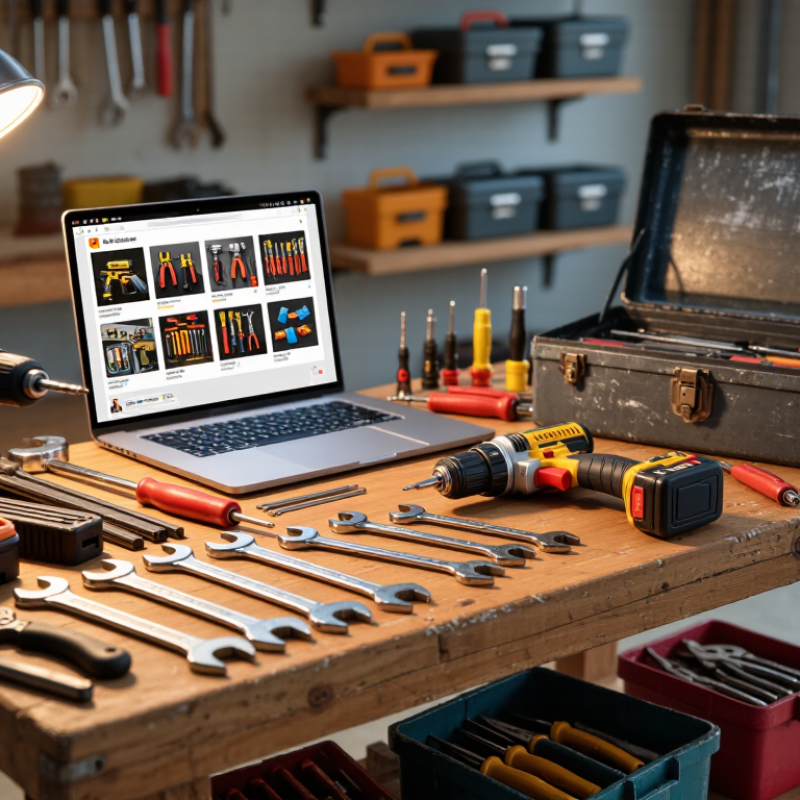
7 Tips for Buying Used Tools Online

Define Your Needs and Set a Practical Budget

7 Tips for Buying Used Tools Online

Define Your Needs and Set a Practical Budget

Start with the job, not the listing. Write down the material, frequency, workspace, and power source you need. A compact drill may suit light repairs, but repeated masonry work demands different specifications. Check torque, voltage, chuck size, weight, and included accessories before comparing prices. I once bought a cheap tool that lacked the right attachment. The discount quickly became an extra expense.

Build a realistic budget before browsing. Reserve about 70 percent for the tool, 20 percent for shipping and replacement parts, and 10 percent for surprises. Used equipment may need new batteries, belts, blades, or cleaning. Set a firm maximum price. Do not stretch it because a listing looks attractive. My own estimates are sometimes too optimistic, especially when delivery costs appear late. That is worth remembering.

Review several listings with the same specifications. Ask for clear photos of switches, cords, moving parts, labels, and damaged areas. A short working video can reveal unusual noise or unstable movement. Request the tool’s age, maintenance history, and reason for selling. Reliable sellers answer specific questions without pressure. Check the return terms and payment protection before committing. If key details remain vague, leave the listing alone. That small decision can protect both your budget and your workshop time.

Research Tool Types, Brands, and Typical Used Prices

Before buying a used tool online, identify its exact type and intended workload. A compact drill, for example, may suit light repairs but struggle with daily construction tasks. Check whether the tool is corded, battery-powered, pneumatic, or manual. Each design has different maintenance costs and failure points.

Research several brands, but do not rely on reputation alone. Compare the same model generation, included accessories, and current replacement-part availability. Read repair forums, user manuals, and independent testing notes. I have found that an older professional-grade tool can outperform a newer budget model, yet age still matters. Plastic housings may become brittle, and battery contacts may corrode.

Typical used prices should come from several completed listings, not optimistic asking prices. Record prices for working examples, incomplete units, and refurbished tools separately. A tool listed far below the usual range may have a damaged motor, missing guard, or inaccurate description. Ask for a clear video showing startup, speed changes, unusual noise, and safety features. Request photos of the serial label and high-wear areas. Do not assume every seller checks calibration. I once trusted a clean appearance and overlooked a loose chuck. That mistake added repair costs. Leave room for shipping, replacement parts, and a return fee when calculating the real price.

7 Tips for Buying Used Tools Online - Research Tool Types, Brands, and Typical Used Prices

Tip Tool Type Typical Used Price Range What to Research Condition Checks Buying Guidance
1 Cordless Drill/Driver $25–$100 Check the voltage, battery platform, charger compatibility, torque settings, and the availability of replacement batteries. Test the trigger, clutch, chuck, forward/reverse switch, and battery runtime. Listen for grinding or excessive motor noise. Price the tool and battery separately. A low tool price may not be a good deal if the battery is weak or missing.
2 Circular Saw $35–$120 Compare blade diameter, cutting depth, power source, bevel range, and replacement blade costs. Inspect the blade guard, base plate, power cord, spindle lock, and bevel adjustment. The blade should rotate without wobbling. Ask for a photo of the saw switched on if an in-person test is not possible. Avoid tools with damaged guards or exposed wiring.
3 Random Orbital Sander $20–$75 Research pad size, dust-collection design, speed control, replacement sanding discs, and power requirements. Check that the pad spins smoothly, the hook-and-loop surface holds discs securely, and the dust port is not cracked. Minor cosmetic wear is usually acceptable, but excessive vibration can indicate worn bearings or a damaged pad.
4 Angle Grinder $25–$90 Compare disc diameter, motor power, speed rating, guard design, side-handle positions, and accessory availability. Inspect the guard, switch, cord, ventilation openings, and spindle. Do not buy a grinder with a cracked housing or faulty switch. Confirm that the included disc size matches the tool rating. Safety guards and side handles should be included and functional.
5 Jigsaw $25–$100 Research stroke length, variable-speed control, blade-fitting system, orbital settings, and maximum cutting capacity. Check the base plate for bending, test the blade clamp, and verify that the blade moves vertically without excessive side play. Replacement blades are inexpensive, but a damaged blade clamp or bent base can make an otherwise cheap tool uneconomical.
6 Shop Vacuum $30–$150 Compare tank capacity, suction rating, filter type, hose diameter, wet/dry capability, and replacement filter prices. Check the hose for splits, the tank for cracks, the wheels for smooth movement, and the motor for unusual noise or burning odors. Calculate shipping carefully because bulky vacuums can cost more to ship than expected. Confirm that filters and hoses are included.
7 Bench Grinder $40–$180 Research wheel diameter, motor speed, wheel type, tool-rest design, eye shields, and available replacement wheels. Check for cracked wheels, excessive vibration, damaged eye shields, loose tool rests, and a noisy or overheating motor. Never operate a grinder with damaged wheels or missing guards. Include the cost of new wheels and safety accessories in the offer.

Evaluate Listings, Photos, Specifications, and Seller Details

7 Tips for Buying Used Tools Online

Evaluate Listings, Photos, Specifications, and Seller Details

Buying used tools online requires more than comparing prices. Check the listing’s exact model, production year, and stated condition. Confirm whether the tool works under load, not only when switched on. Read every specification carefully, including voltage, capacity, dimensions, and compatible accessories. Small mismatches can make a cheap tool unusable.

Inspect photos like an experienced technician. Look for chipped insulation, rounded fasteners, rust around moving parts, and uneven wear on cutting edges. Request close-up images of labels, connectors, guards, and damage. Blurry photos are a warning sign. Ask the seller for a short functional video when possible. Compare the listed specifications with the manufacturer’s published technical documents, without relying on memory. I would also check the seller’s transaction history, response quality, return terms, and answers to specific questions. Vague replies deserve caution.

Industry data supports this careful approach. The 2023 NRF and Appriss Retail Returns Report estimated that 17.6% of online sales were returned. Incomplete product information can contribute to that problem. Baymard Institute’s 2024 research reports an average online cart-abandonment rate of 70.19%, showing how quickly uncertainty stops a purchase. Still, data cannot replace judgment. A clean photo may hide internal wear. A detailed listing may contain one incorrect measurement. Save screenshots, compare several listings, and price replacement parts before paying.

Verify Condition, Functionality, Authenticity, and Included Parts

7 Tips for Buying Used Tools Online

A used tool can look excellent in a bright listing photo. Inspect every image for rust, cracks, missing guards, damaged cords, and worn handles. Ask for clear photos of the model plate, serial number, switches, and connection points. Do not rely on “like new” alone. Sellers may describe appearance, not performance.

Request a short operating video when possible. Listen for grinding, uneven speed, sparking, or unusual vibration. Confirm that the tool starts, adjusts correctly, and reaches normal operating behavior. Check whether the serial number appears genuine and matches the seller’s description. Compare the design with reliable repair manuals or official technical references.

I once overlooked a missing adjustment knob because the listing looked convincing. That mistake made the tool unusable for my project.

Read the included-parts list carefully. A charger, blade, battery, case, safety guard, or attachment may be absent. Ask whether replacement parts remain available and whether the tool has been repaired. Review the seller’s transaction history, return terms, and answers to specific questions. Vague replies are useful evidence.

Keep screenshots of the listing and agreed details. I still question whether every online test video shows normal use, so I avoid paying extra for uncertain condition. A reasonable return option matters more than a polished description.

Complete a Safe Purchase with Secure Payment and Delivery Checks

Buying used tools online is less about finding the lowest price and more about controlling payment and delivery risks. The FBI’s 2023 Internet Crime Report recorded 50,523 non-payment or non-delivery complaints, with reported losses exceeding 309 million dollars. That figure makes a careful checkout essential.

Keep payment inside the platform’s protected system. Avoid wire transfers, gift cards, cash-only requests, and rushed “today only” deals. Check the seller’s transaction history, return terms, and account age. Ask for a clear photo of the tool, its serial number, included accessories, and current wear. Compare those details with the listing. Small differences matter. Save every message and receipt.

Delivery needs its own inspection. Request tracked shipping, a realistic dispatch date, and insurance for heavy equipment. Photograph the unopened package, damaged corners, labels, and the tool before powering it on. Check that the serial number matches the listing. Do not confirm satisfaction too early. The U.S. Federal Trade Commission advises keeping records of online purchases and reporting problems quickly, which supports a stronger dispute claim. Still, no checklist is perfect. My weak point would be trusting polished photos too much. A bright image cannot prove smooth gears, safe wiring, or honest condition. Ask specific questions, allow time for answers, and walk away when payment pressure replaces useful evidence.

7 Tips for Buying Used Tools Online

The chart organizes seven practical steps for a safer used-tool purchase. The values represent the number of specific checks included in each step, covering seller information, tool condition, listing evidence, price comparison, secure payment, delivery protection, and post-delivery inspection.

© Copyright - Pro Tool & Supply - Site by SVM E-Marketing Solutions - Sitemap - Privacy policy