- Products
- Air Compressors & Air Tools
- Climate Control
- Compaction Equipment
- Concrete Cutting Tools & Equipment
- Concrete and Masonry
- Demolition & Excavation
- Electrical & Mechanical
- Fasteners and Anchoring Adhesives
- Floor Protection
- Generators and Welders
- Hand Tools
- Heaters
- Janitorial and Office Supplies
- Jobsite Protection
- Ladders & Storage
- Lighting & Lighting Accessories
- Man Lifts
- Material Handling Equipment
- Power Tools
- Pressure Washers & Pumps
- Safety Gear
- Safety Products
- Saws
- Surface Preparation
- SEASONAL PRODUCTS
- Rentals
- Air Compressor and Air Tool Rentals
- Climate Control Rental
- Compaction Rentals
- Concrete Equipment Rentals
- Demolition & Excavation Equipment Rentals
- Concrete Floor Grinder Rentals
- General Construction Equipment Rentals
- Generator Rentals and Welder Rentals
- Heater Rentals
- Light Tower Rentals
- Man Lift Rentals in Massachusetts and Rhode Island
- Material Handling Equipment Rentals
- Pressure Washer & Pump Rentals
- Saw Rentals in New England
- SEASONAL PRODUCTS
- Products
- Air Compressors & Air Tools
- Climate Control
- Compaction Equipment
- Concrete Cutting Tools & Equipment
- Demolition & Excavation
- Electrical & Mechanical
- Floor Protection
- Generators and Welders
- Construction Heaters
- Construction Ladders, Staging, & Storage
- Construction Lighting
- Man Lifts
- Material Handling Equipment
- Industrial Janitorial and Office Supplies
- Pressure Washers & Pumps
- Construction Safety Products
- Construction Safety Gear
- Surface Preparation
- Building Protection
- Diesel Accessories
- Zero Emissions
- Rentals
- Air Compressor and Air Tool Rentals
- Climate Control Rental
- Compaction Rentals
- Concrete Equipment Rental
- Demolition & Excavation Equipment Rental
- General Construction Equipment Rental
- Generator Rentals and Welder Rentals
- Construction Heaters Rental
- Light Tower Rentals
- Man Lift Rentals
- Material Handling Equipment Rental
- Pressure Washer & Pump Rentals
- Saw Rentals in New England
- Concrete Floor Grinder Rentals
- Zero Emissions Rentals
- Repairs & Used
- Parts
- Blog
- Services
- Resources
- About Us
- Contact Us
Sales & Rental of Construction | Industrial Equipment & Supplies


10 Electric Power Tools Buying Tips for Global Buyers
Buying electric power tools across borders requires more than comparing prices and advertised wattage. A drill that performs well in a German workshop may not suit a construction site in Brazil, Kenya, or Canada. Voltage, frequency, plug design, battery platforms, and local service support can change the real value of a purchase. Small details matter. A mismatched charger can delay an entire project.
This guide presents ten practical buying tips for global buyers. It considers tool performance, supplier experience, safety documentation, warranty terms, spare parts, and total ownership cost. Reliable sourcing begins with clear specifications and verified manufacturers. Buyers should request test reports, production details, and sample units before placing large orders. A product photograph is not enough. Hands-on testing can reveal heat buildup, awkward balance, weak triggers, or excessive vibration. Those findings often matter more than a polished catalog.
No checklist is flawless. Market conditions change, and even experienced buyers can overlook regional requirements. That is why careful verification remains essential. A lower unit price may hide expensive freight, unavailable batteries, or poor after-sales support. Conversely, a slightly higher price may provide stronger durability and faster repairs. The following tips help buyers ask better questions, compare suppliers fairly, and reduce avoidable purchasing risks. Practical judgment still matters. Tools must fit the workers, the job, and the market where they will be used.
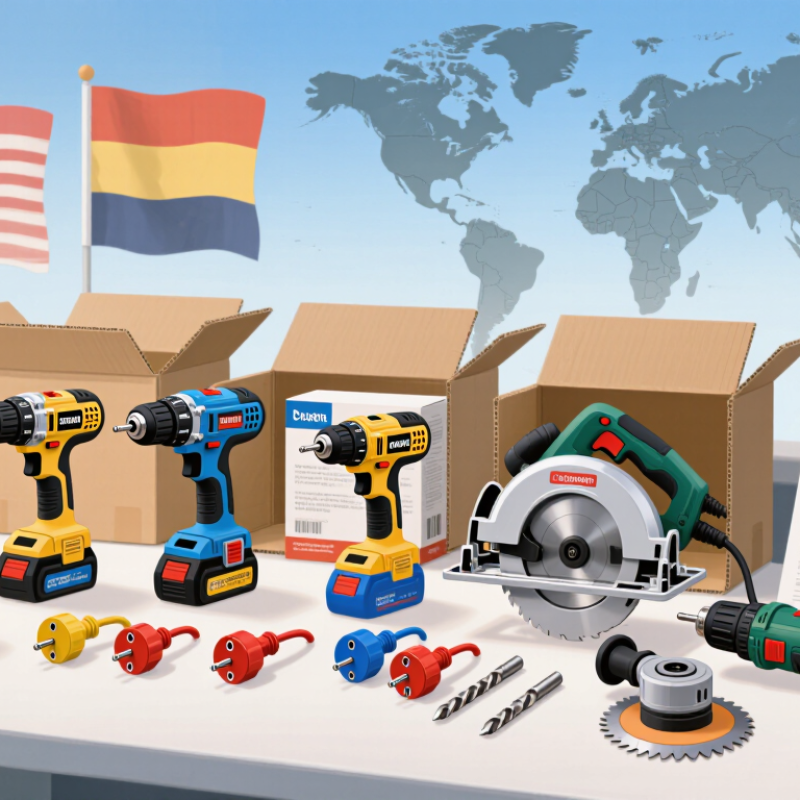
Table of Contents
[Hide]
Define the Project Needs and Select the Right Tool Types
Before comparing prices, define the project in practical terms. Identify the material, thickness, workload, workspace, and expected operating hours. Cutting, drilling, grinding, and fastening require different tool types. That sounds obvious.
For concrete walls, a rotary hammer may perform better than a standard drill. For thin sheet metal, excessive power can cause rough holes or material damage. A reciprocating saw suits demolition work, while a circular saw offers cleaner, straighter cuts.
Choose corded tools for long, heavy-duty operation when stable electricity is available. Choose battery-powered tools where mobility matters, but check runtime, charging conditions, and spare battery costs. Pneumatic tools may fit factories with existing compressed-air systems, yet they add hose and compressor requirements.
Global buyers should match voltage, frequency, plug design, and local safety requirements before placing an order. Confirm rated power, speed control, chuck size, blade compatibility, and replacement-part availability. A tool can look suitable on paper but fail during daily production. I have seen project plans underestimate vibration and operator fatigue. That mistake is expensive. Ask suppliers for test data, manuals, sample specifications, and realistic duty-cycle guidance. Do not select the strongest tool automatically. More power may reduce control, increase weight, and damage delicate materials. Recheck the selection against the actual job site, not an ideal workshop.
Related Posts
-
Top 10 Essential Power Tools Every DIYer Needs in 2023
-
10 Essential Tips for Choosing Electric Power Tools for Your Projects?
-
Top Power Tools for 2026 What Should Global Buyers Consider
-
China Top 10 Electric Power Tools Suppliers?
-
2026 Best Demolition Tools for Efficient Home Renovation?
-
Top 5 Essential Contractor Tools for 2025: Boost Your Efficiency Today!

© Copyright - Pro Tool & Supply - Site by SVM E-Marketing Solutions - Sitemap
- Privacy policy