- Products
- Air Compressors & Air Tools
- Climate Control
- Compaction Equipment
- Concrete Cutting Tools & Equipment
- Concrete and Masonry
- Demolition & Excavation
- Electrical & Mechanical
- Fasteners and Anchoring Adhesives
- Floor Protection
- Generators and Welders
- Hand Tools
- Heaters
- Janitorial and Office Supplies
- Jobsite Protection
- Ladders & Storage
- Lighting & Lighting Accessories
- Man Lifts
- Material Handling Equipment
- Power Tools
- Pressure Washers & Pumps
- Safety Gear
- Safety Products
- Saws
- Surface Preparation
- SEASONAL PRODUCTS
- Rentals
- Air Compressor and Air Tool Rentals
- Climate Control Rental
- Compaction Rentals
- Concrete Equipment Rentals
- Demolition & Excavation Equipment Rentals
- Concrete Floor Grinder Rentals
- General Construction Equipment Rentals
- Generator Rentals and Welder Rentals
- Heater Rentals
- Light Tower Rentals
- Man Lift Rentals in Massachusetts and Rhode Island
- Material Handling Equipment Rentals
- Pressure Washer & Pump Rentals
- Saw Rentals in New England
- SEASONAL PRODUCTS
- Products
- Air Compressors & Air Tools
- Climate Control
- Compaction Equipment
- Concrete Cutting Tools & Equipment
- Demolition & Excavation
- Electrical & Mechanical
- Floor Protection
- Generators and Welders
- Construction Heaters
- Construction Ladders, Staging, & Storage
- Construction Lighting
- Man Lifts
- Material Handling Equipment
- Industrial Janitorial and Office Supplies
- Pressure Washers & Pumps
- Construction Safety Products
- Construction Safety Gear
- Surface Preparation
- Building Protection
- Diesel Accessories
- Zero Emissions
- Rentals
- Air Compressor and Air Tool Rentals
- Climate Control Rental
- Compaction Rentals
- Concrete Equipment Rental
- Demolition & Excavation Equipment Rental
- General Construction Equipment Rental
- Generator Rentals and Welder Rentals
- Construction Heaters Rental
- Light Tower Rentals
- Man Lift Rentals
- Material Handling Equipment Rental
- Pressure Washer & Pump Rentals
- Saw Rentals in New England
- Concrete Floor Grinder Rentals
- Zero Emissions Rentals
- Repairs & Used
- Parts
- Blog
- Services
- Resources
- About Us
- Contact Us
Sales & Rental of Construction | Industrial Equipment & Supplies


What Are Electrical Tools and What Types Are Available?
Electrical tools are more than pliers, testers, and drills. They help people install, inspect, maintain, and repair electrical systems with greater control. The right tool can make a small task safer and more precise. The wrong one can damage a conductor or produce a misleading test result. Details matter.
Demand for skilled electrical work gives this topic practical weight. The U.S. Bureau of Labor Statistics projects 11% employment growth for electricians from 2023 to 2033, with about 80,200 openings each year (Occupational Outlook Handbook, Electricians). Those figures do not measure tool sales, but they point to a growing need for workers who can choose and use equipment well. A voltage tester, for example, serves a different purpose from a wire stripper, even when both appear in the same tool bag.
This guide explains what electrical tools are and how common types differ. It covers hand tools, power tools, testing instruments, and protective equipment. It also considers how to match a tool to the task, rating, and working conditions. Standards such as NFPA 70E provide an important framework for electrical safety, but a standard cannot replace training or careful judgment. Tool categories can look simple on a page. In practice, selection takes thought—and sometimes a second check.
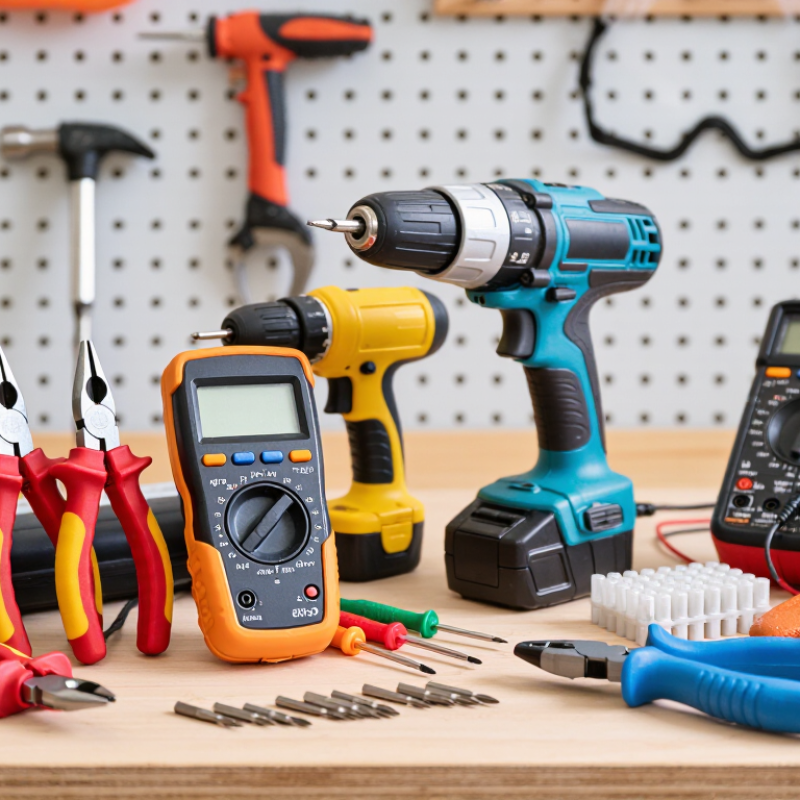
Table of Contents
[Hide]
Electrical Tools Defined: IEC 62841 Covers Handheld and Transportable Machines
IEC 62841 is a series of safety standards for electric motor-operated tools, including handheld and transportable machines. It is not a catalogue of every electrical tool. The series pairs general requirements with specific requirements for different tool types. That distinction matters.
A handheld drill, for example, is assessed differently from a stationary-style transportable saw. Requirements address hazards such as electric shock, moving parts, heat, and mechanical strength. Testing may examine insulation and protective features, as well as how the tool behaves under defined operating conditions. The exact applicable requirements depend on the tool’s design and its place in the IEC 62841 series.
A standard does not make careless use safe. Operators still need suitable training, intact cords, and the right accessory for the task. A cracked housing or loose guard deserves attention, even if the machine appears to run normally. Standards can also be adopted differently across regions, so product documentation and local requirements matter. The boundary between handheld and transportable equipment can feel untidy in real workshops; classification depends on design, not simply where a tool sits.
Related Posts
-

2026 Best Concrete Finishing Tools for Professionals and DIYers?
-

How to Choose the Best Tool for Your Needs?
-
What Is the Best Air Compressor for Power Tools?
-

Top 10 Essential Shop Tools Every DIY Enthusiast Should Own
-
10 Tips for Buying New Concrete Tools?
-
10 Tips for Choosing the Best Floor Tools for Global Buyers

© Copyright - Pro Tool & Supply - Site by SVM E-Marketing Solutions - Sitemap
- Privacy policy