- Products
- Air Compressors & Air Tools
- Climate Control
- Compaction Equipment
- Concrete Cutting Tools & Equipment
- Concrete and Masonry
- Demolition & Excavation
- Electrical & Mechanical
- Fasteners and Anchoring Adhesives
- Floor Protection
- Generators and Welders
- Hand Tools
- Heaters
- Janitorial and Office Supplies
- Jobsite Protection
- Ladders & Storage
- Lighting & Lighting Accessories
- Man Lifts
- Material Handling Equipment
- Power Tools
- Pressure Washers & Pumps
- Safety Gear
- Safety Products
- Saws
- Surface Preparation
- SEASONAL PRODUCTS
- Rentals
- Air Compressor and Air Tool Rentals
- Climate Control Rental
- Compaction Rentals
- Concrete Equipment Rentals
- Demolition & Excavation Equipment Rentals
- Concrete Floor Grinder Rentals
- General Construction Equipment Rentals
- Generator Rentals and Welder Rentals
- Heater Rentals
- Light Tower Rentals
- Man Lift Rentals in Massachusetts and Rhode Island
- Material Handling Equipment Rentals
- Pressure Washer & Pump Rentals
- Saw Rentals in New England
- SEASONAL PRODUCTS
- Products
- Air Compressors & Air Tools
- Climate Control
- Compaction Equipment
- Concrete Cutting Tools & Equipment
- Demolition & Excavation
- Electrical & Mechanical
- Floor Protection
- Generators and Welders
- Construction Heaters
- Construction Ladders, Staging, & Storage
- Construction Lighting
- Man Lifts
- Material Handling Equipment
- Industrial Janitorial and Office Supplies
- Pressure Washers & Pumps
- Construction Safety Products
- Construction Safety Gear
- Surface Preparation
- Building Protection
- Diesel Accessories
- Zero Emissions
- Rentals
- Air Compressor and Air Tool Rentals
- Climate Control Rental
- Compaction Rentals
- Concrete Equipment Rental
- Demolition & Excavation Equipment Rental
- General Construction Equipment Rental
- Generator Rentals and Welder Rentals
- Construction Heaters Rental
- Light Tower Rentals
- Man Lift Rentals
- Material Handling Equipment Rental
- Pressure Washer & Pump Rentals
- Saw Rentals in New England
- Concrete Floor Grinder Rentals
- Zero Emissions Rentals
- Repairs & Used
- Parts
- Blog
- Services
- Resources
- About Us
- Contact Us
Sales & Rental of Construction | Industrial Equipment & Supplies


2025 How to Use Concrete Tools for Your Next Construction Project
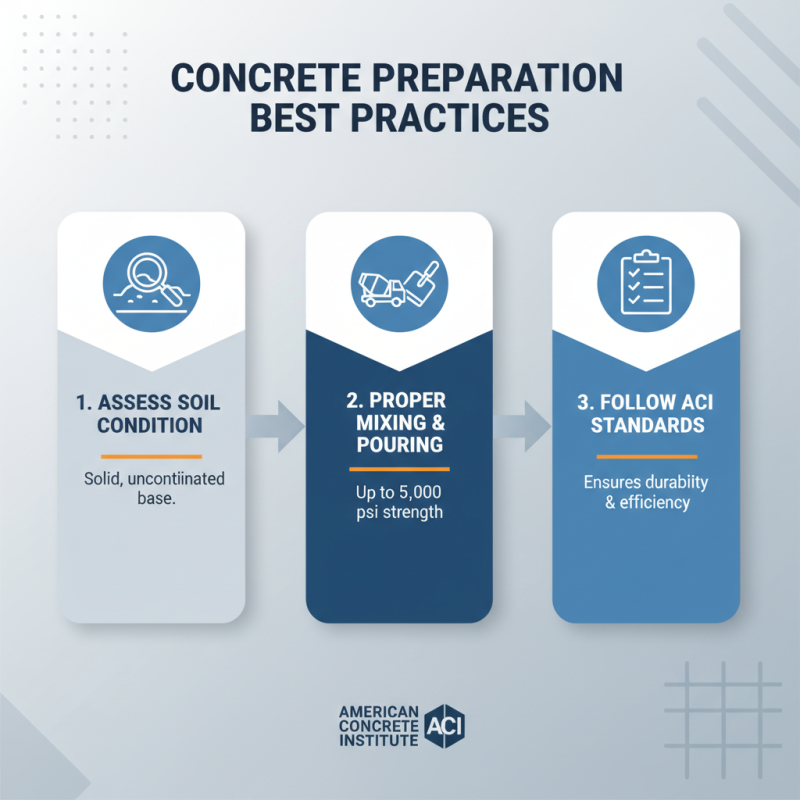
When embarking on a construction project, selecting the right tools can significantly influence both the efficiency and quality of the work. Among the essential tools in any construction arsenal are concrete tools, which play a pivotal role in preparing, pouring, and finishing concrete structures. Whether you're a seasoned contractor or a DIY enthusiast, understanding how to effectively use these tools can lead to a smoother workflow and superior results.
In 2025, as construction techniques evolve and new innovations emerge, the importance of mastering concrete tools remains undeniable. From mixers and vibrators to trowels and floats, each tool serves a specific purpose that contributes to achieving optimal concrete placement and finishing. Proper usage not only enhances durability and aesthetic appeal but also ensures compliance with safety and building standards.
This guide aims to provide valuable insights on the various types of concrete tools available, their applications, and essential tips for using them effectively. By equipping yourself with the right knowledge and skills, you can elevate your construction projects, ensuring they stand the test of time while reflecting professional craftsmanship.
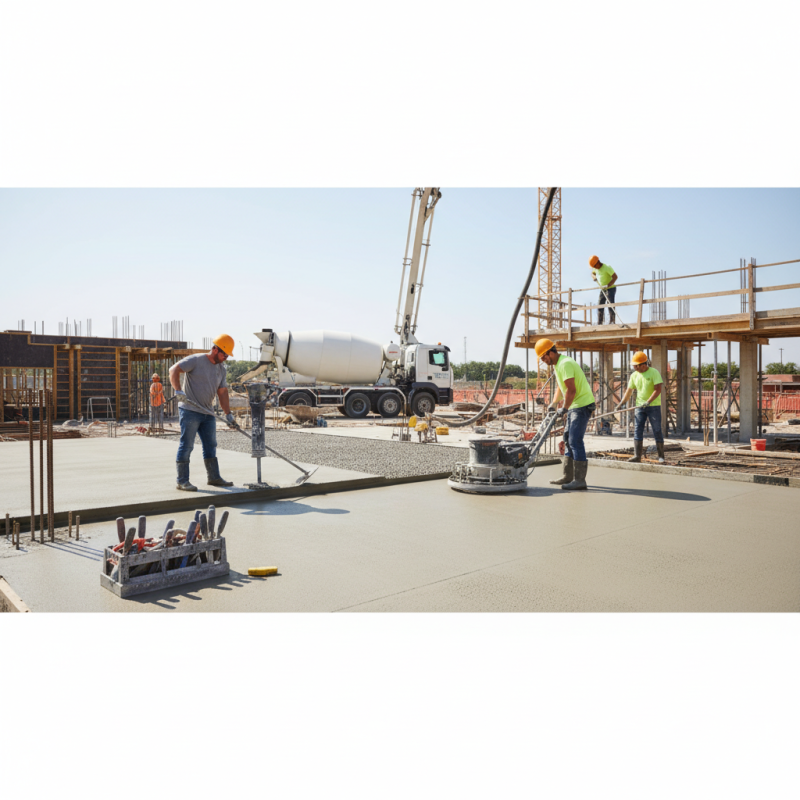
Table of Contents
[Hide]
Understanding Different Types of Concrete Tools for Construction
When embarking on a construction project, understanding the various concrete tools available can significantly enhance both efficiency and outcome. Concrete work involves a wide array of tasks, from mixing and pouring to finishing and curing, and each requires specific tools designed for optimal performance. Among the essential tools are concrete mixers, trowels, and floats, each serving a unique purpose in the concrete application process.
Concrete mixers are vital for mixing the components evenly to achieve a uniform consistency. They come in various sizes, making them suitable for both small and large projects. Trowels, on the other hand, are crucial for smoothing and finishing the surface of the concrete. A good quality trowel helps achieve a level and polished finish, while floats can be used to smooth out imperfections after pouring. Familiarity with these tools allows for a more streamlined workflow and can lead to better overall quality.
Tips: Always ensure that you have the right tools for the job. Investing in high-quality tools can save time and minimize mistakes. Additionally, learning how to properly maintain these tools will extend their lifespan and improve your construction projects' efficiency. Lastly, always follow safety guidelines when using heavy machinery and tools to ensure a safe working environment.
Related Posts
-
How to Choose the Right Concrete Tools for Your DIY Projects: Expert Tips & Trends
-
Best Concrete Finishing Tools You Need for a Perfect Smooth Finish
-
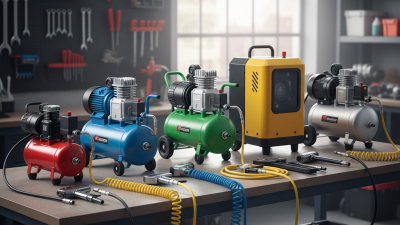
2025 Top 5 Air Compressors for Air Tools You Should Consider
-
Unlocking Success with the Right Professional Tools for Every Industry
-
Top 10 Essential Shop Tools Every DIY Enthusiast Should Own
-
10 Essential Tips for Choosing the Right Electric Power Tools for Your Projects

© Copyright - Pro Tool & Supply - Site by SVM E-Marketing Solutions - Sitemap
- Privacy policy