- Products
- Air Compressors & Air Tools
- Climate Control
- Compaction Equipment
- Concrete Cutting Tools & Equipment
- Concrete and Masonry
- Demolition & Excavation
- Electrical & Mechanical
- Fasteners and Anchoring Adhesives
- Floor Protection
- Generators and Welders
- Hand Tools
- Heaters
- Janitorial and Office Supplies
- Jobsite Protection
- Ladders & Storage
- Lighting & Lighting Accessories
- Man Lifts
- Material Handling Equipment
- Power Tools
- Pressure Washers & Pumps
- Safety Gear
- Safety Products
- Saws
- Surface Preparation
- SEASONAL PRODUCTS
- Rentals
- Air Compressor and Air Tool Rentals
- Climate Control Rental
- Compaction Rentals
- Concrete Equipment Rentals
- Demolition & Excavation Equipment Rentals
- Concrete Floor Grinder Rentals
- General Construction Equipment Rentals
- Generator Rentals and Welder Rentals
- Heater Rentals
- Light Tower Rentals
- Man Lift Rentals in Massachusetts and Rhode Island
- Material Handling Equipment Rentals
- Pressure Washer & Pump Rentals
- Saw Rentals in New England
- SEASONAL PRODUCTS
- Products
- Air Compressors & Air Tools
- Climate Control
- Compaction Equipment
- Concrete Cutting Tools & Equipment
- Demolition & Excavation
- Electrical & Mechanical
- Floor Protection
- Generators and Welders
- Construction Heaters
- Construction Ladders, Staging, & Storage
- Construction Lighting
- Man Lifts
- Material Handling Equipment
- Industrial Janitorial and Office Supplies
- Pressure Washers & Pumps
- Construction Safety Products
- Construction Safety Gear
- Surface Preparation
- Building Protection
- Diesel Accessories
- Zero Emissions
- Rentals
- Air Compressor and Air Tool Rentals
- Climate Control Rental
- Compaction Rentals
- Concrete Equipment Rental
- Demolition & Excavation Equipment Rental
- General Construction Equipment Rental
- Generator Rentals and Welder Rentals
- Construction Heaters Rental
- Light Tower Rentals
- Man Lift Rentals
- Material Handling Equipment Rental
- Pressure Washer & Pump Rentals
- Saw Rentals in New England
- Concrete Floor Grinder Rentals
- Zero Emissions Rentals
- Repairs & Used
- Parts
- Blog
- Services
- Resources
- About Us
- Contact Us
Sales & Rental of Construction | Industrial Equipment & Supplies


Top 10 Tips for Choosing the Best Electric Heaters for Your Home
In today's energy-conscious world, choosing the right electric heaters for your home is more crucial than ever. According to a report by the U.S. Department of Energy, electric heating systems can account for up to 36% of energy consumption in residential settings, making efficiency and performance critical factors in selection. The market for electric heaters has expanded significantly over the past decade, with innovations leading to more energy-efficient models that not only reduce utility bills but also enhance comfort.

Industry expert Dr. Jane Thompson, leading researcher at the Home Heating Solutions Institute, asserts, “The right electric heater can transform a living space, providing targeted warmth while minimizing energy waste.” With numerous options available, ranging from portable models to whole-home solutions, understanding the various features, sizes, and technologies is essential. Our guide explores the top 10 tips for selecting the best electric heaters, ensuring that homeowners can make informed decisions tailored to their specific needs and preferences.
Table of Contents
[Hide]
Factors to Consider When Selecting Electric Heaters for Home Use
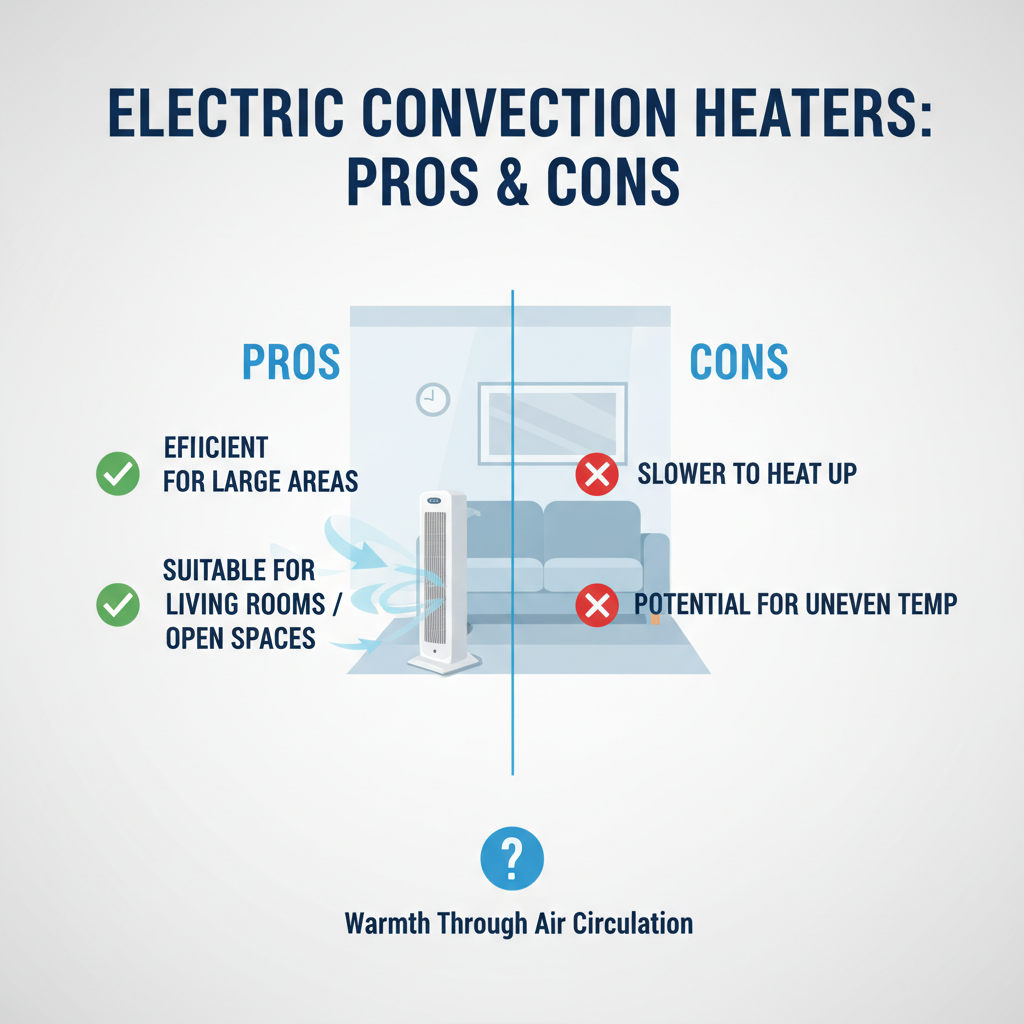
When selecting electric heaters for home use, several critical factors must be considered to ensure both efficiency and comfort. One of the primary considerations is the type of heater suited to your space. According to a report by the U.S. Department of Energy, radiant heaters are effective for small areas, while convection heaters can effectively warm larger spaces due to their ability to circulate air. Homeowners should assess their heating needs based on room size and layout to determine the most suitable option.
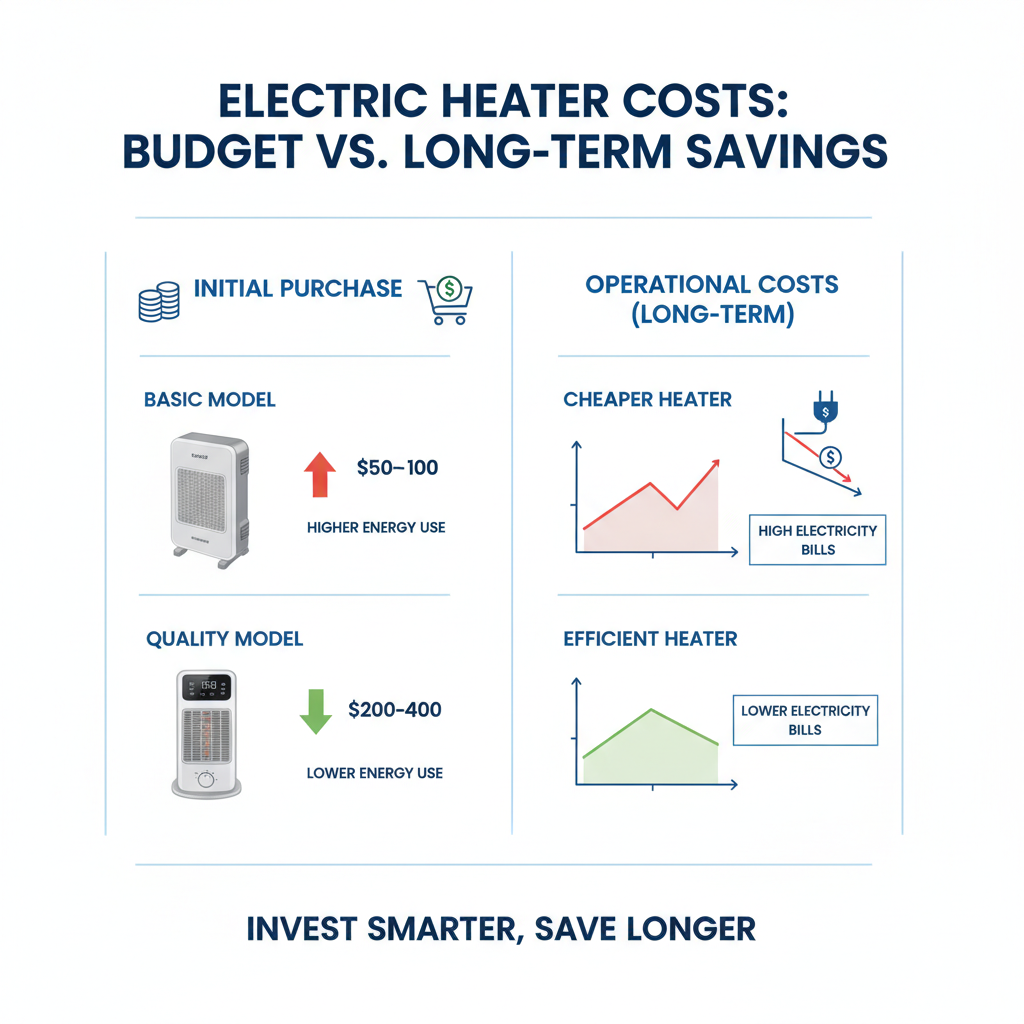
Energy efficiency is another vital factor, as it directly impacts utility bills. The Energy Information Administration highlights that using a heater with a higher energy efficiency rating can save homeowners up to 30% on their heating costs. Additionally, features such as programmable thermostats and timers can contribute to more efficient energy usage. It’s also wise to check for safety features like tip-over protection and overheat shut-off, especially in homes with children or pets. By considering these factors, consumers can make informed decisions that enhance their home’s comfort and reduce energy expenses.
Related Posts
-
2025 Guide: How to Choose the Best Electric Heaters for Your Home
-
Top 10 Electric Heaters for Efficient Home Heating in 2023
-
2025 Top 5 Air Compressors for Air Tools You Should Consider
-

How to Choose the Right Concrete Tools for Your DIY Projects: Expert Tips & Trends
-
10 Essential Tips for Choosing the Right Electric Power Tools for Your Projects
-

Top 10 New Tools Revolutionizing Digital Marketing in 2024: Enhance Your Strategy with Data-Driven Insights

© Copyright - Pro Tool & Supply - Site by SVM E-Marketing Solutions - Sitemap
- Privacy policy