Sales & Rental of Construction | Industrial Equipment & Supplies

Why Are Cutting Tools Important for Manufacturers?

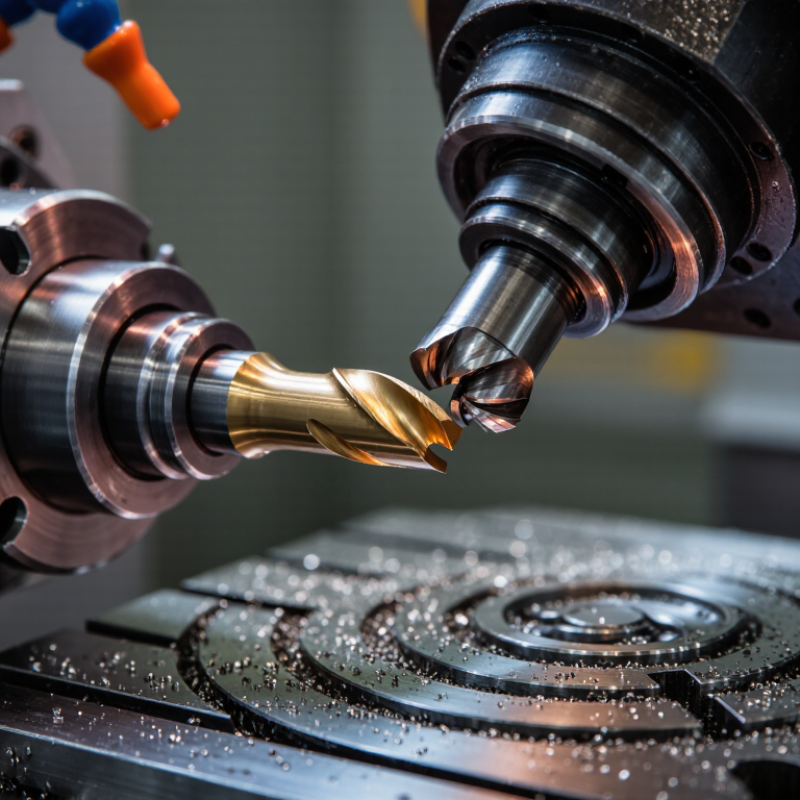
On a busy shop floor, a cutting tool may look like a small part of a much larger machine. Yet its edge shapes the workpiece, influences cycle time, and affects the finish customers see. In turning, milling, or drilling, the tool must remove material while handling heat, pressure, and repeated contact. That is demanding work. A worn edge can leave rough surfaces, increase cutting forces, or cause unexpected downtime.

Choosing cutting tools is therefore a practical manufacturing decision, not just a purchasing task. Tool material, geometry, coating, workpiece composition, and machine settings all matter. A carbide insert may suit one operation, while another job needs a different edge design or cutting speed. The right choice can support consistent dimensions and reduce scrap, but no tool is best for every material or production run. Results depend on setup, maintenance, and how the process is monitored.

Small details matter. A faint change in sound, a rough chip, or a growing burr can signal trouble before a part fails inspection. Experienced operators often notice these clues, though judgment alone is not enough; measurements and documented trials help confirm them. Even then, trade-offs remain. A longer-lasting tool may cost more upfront, and a faster cut can create more heat. Understanding why cutting tools matter helps manufacturers make informed choices, improve process stability, and know when their assumptions need another look.
Why Are Cutting Tools Important for Manufacturers?

What Cutting Tools Are and How They Remove Material

A cutting tool is an instrument with an edge that removes unwanted material from a workpiece. The workpiece may be metal, wood, or plastic. Relative movement between the tool and material creates pressure at the edge. When that pressure exceeds the material’s resistance, small pieces separate as chips. In turning, a stationary tool cuts a rotating part. In milling, rotating teeth pass across a secured surface. Drills make holes. Different motions, same basic idea.

Tiny chips matter.

The tool’s shape guides how material breaks away and where the finished surface ends up. Its material must withstand heat and force without wearing too quickly. Operators also consider cutting speed, feed rate, tool alignment, and workpiece hardness. A dull edge can rub instead of cut, leaving a rough finish and generating excess heat. The simple picture has limits: vibration, built-up material, and changing temperatures can alter the cut. Tool selection is not always obvious; a setup that works on one machine may perform poorly on another. Careful observation of chips, sound, and surface quality helps manufacturers adjust the process rather than rely on a single setting.

Why Cutting Tools Matter: How They Remove Material

A cutting tool removes material by shearing it from the workpiece to form chips. This chart shows a calculated turning example: material removal rate increases with depth of cut when cutting speed and feed are held constant.

Calculated using Q = cutting speed × feed × depth of cut, with cutting speed fixed at 100 m/min and feed at 0.20 mm/rev. Values are a simplified turning estimate, not measured production data; actual results depend on the workpiece, tool, and machining conditions.

Where Cutting Tools Are Used in Manufacturing

Cutting tools appear wherever manufacturers need to shape material accurately and repeatably. On a lathe, a turning tool removes material as a metal part spins, creating shafts, collars, and bearing surfaces. Milling cutters travel across a workpiece to form slots, pockets, and flat faces. Drill bits make holes for fasteners or later machining. Small details matter.

These tools also serve sheet-metal shops, woodworking operations, and facilities that process plastics or composites. A press brake does not cut, but nearby shearing and punching tools trim blanks and create openings before forming. In a cabinet shop, saw blades and router bits size panels and shape edges. On an aircraft component line, specialized cutters may machine lightweight alloys while controlling heat and vibration.

Tool choice depends on the material, the required finish, and how many parts need to be made. A sharp carbide cutter may work well on a hard alloy, while another setup suits softer material. Coolant, cutting speed, and tool condition affect results too. Operators often inspect chips for clues: long, tangled chips can signal a problem. Real shops do not always get the setup right on the first try, and that is worth acknowledging. A test cut can reveal chatter, excess heat, or a finish that needs adjustment.

Why Are Cutting Tools Important for Manufacturers? — Where Cutting Tools Are Used in Manufacturing
Manufacturing Area Typical Cutting Tool Common Operations Typical Materials Why the Tool Matters
Turning and lathe work Single-point turning tool or indexable insert Facing, straight turning, taper turning, and grooving Steel, stainless steel, aluminum, and cast iron Tool geometry and condition affect diameter, surface finish, dimensional accuracy, and production consistency.
Milling End mill, face mill, or slotting cutter Creating flat surfaces, pockets, slots, contours, and shoulders Metals, plastics, and some composite materials The cutter determines the shapes that can be produced and influences material removal rate, finish, and tool life.
Holemaking Twist drill, reamer, or countersink Drilling, sizing, chamfering, and finishing holes Metal, wood, and engineering plastics Appropriate tools help produce holes at the required diameter and finish while limiting burrs and positional errors.
Grinding and finishing Abrasive wheel or mounted abrasive tool Surface grinding, cylindrical grinding, deburring, and precision finishing Hardened metals, ceramics, and other hard materials Abrasive tools can achieve fine finishes and close tolerances, particularly on materials that are difficult to cut with conventional tools.
Sawing and stock preparation Band-saw blade or circular saw blade Cutting bars, tubes, profiles, and sheet stock to length Metal, wood, and plastic stock Blade selection affects cut quality, material waste, cutting speed, and the consistency of blanks prepared for later operations.
Sheet-metal production Punch and die Punching holes, notching, and blanking sheet material Steel, aluminum, and other sheet metals The matched tool set creates repeatable features and supports high-volume production; wear can affect edge quality and part dimensions.
Gear manufacturing Hob or gear-shaping cutter Generating teeth on gears and related components Commonly steel and cast iron Cutter accuracy and condition influence tooth form, fit, noise, and the reliable operation of the finished gear.
Composite-part trimming Carbide or diamond-coated router and end mill Trimming edges, routing profiles, and cutting openings Fiber-reinforced polymer laminates and composite panels Suitable cutting edges help manage heat, fiber pull-out, and delamination while producing the required component shape.

How Cutting Tools Shape Product Quality and Precision

Cutting tools do more than remove material; they determine how consistently a part reaches its intended dimensions. A sharp, correctly shaped edge can leave a smooth surface and hold a narrow tolerance. Tool geometry also affects chip flow, cutting force, and heat. Small errors matter. A slight change in edge condition may show up as a rough band on a turned shaft or a burr along a milled slot.

During production, tool choice must match the workpiece, operation, and machine setup. An insert that works well on aluminum may behave differently on hardened steel. Feed rate, cutting speed, and tool overhang all influence vibration and finish. A worn edge often increases cutting forces before defects become obvious. Operators can track tool life, inspect edges under magnification, and measure sample parts with suitable gauges. Still, a fixed replacement schedule is not always enough; material batches and setup conditions vary.

Precision also depends on what happens beyond the cutting edge. Check the first part. A common blind spot is assuming the machine’s displayed position equals the finished dimension. Workholding pressure, tool deflection, and temperature can shift results. A part measured while warm may differ slightly after cooling, especially when tolerances are tight. Recording measurements alongside tool changes can help reveal patterns, though the data only helps when someone reviews it and adjusts the process.

How Tool Performance Affects Production Speed and Costs

A cutting tool’s performance shows up in small, costly moments: a slower feed, a rough edge, or a part rejected for missing tolerance. A sharp, suitable tool can support faster cutting and steadier dimensions. A worn edge often brings heat, chatter, and extra inspection. Even a brief tool change can interrupt a tightly scheduled batch.

The 2023 Smart Manufacturing Survey of 500 manufacturing executives reported that respondents expected smart manufacturing to improve production output by 12% over three years. That figure covers broader factory technologies, not cutting tools alone. Still, it points to the value of removing production bottlenecks.

Tool condition is one practical place to look. Track tool life, cycle time, scrap, and changeover minutes together; a lower-cost insert may prove expensive if it wears quickly.

The awkward part is that wear does not always announce itself. A tool can seem usable while leaving a faint burr on the part. Checks help, but they take time too. Teams should compare actual results by material and operation, then adjust cautiously. The first setting is rarely perfect.

How Proper Tool Selection Supports Safety and Efficiency

Why Are Cutting Tools Important for Manufacturers?
How Proper Tool Selection Supports Safety and Efficiency

Choosing a cutting tool is a safety decision as well as a production decision. A suitable tool matches the workpiece, machine rigidity, cutting speed, and task. Poor matching can cause chatter, sharp chip ejection, excess heat, or sudden tool failure. On a busy shop floor, those problems can put operators at risk and interrupt nearby work. The U.S. Bureau of Labor Statistics reported 2.6 million nonfatal workplace injury and illness cases in private industry in 2023. That figure covers many hazards, not cutting tools alone, but it shows why everyday controls matter.

A well-matched tool can also reduce scrap, rework, and unplanned changes. For example, the right geometry for a tough alloy may produce steadier cuts and more predictable tool life. Operators should follow the toolmaker’s specified limits, secure the workpiece, and check wear before it becomes a failure. A faster setting is not automatically a better setting. Real materials and machines vary, so trial cuts and measured results still matter.

Tips: Confirm the material and tool condition before each job. Use guards and suitable eye protection, clear chips with an approved method, and record speed, feed, and tool life. Review the results with operators; a tidy setup sheet may miss what happens on the floor.

© Copyright - Pro Tool & Supply - Site by SVM E-Marketing Solutions - Sitemap - Privacy policy