- Products
- Air Compressors & Air Tools
- Climate Control
- Compaction Equipment
- Concrete Cutting Tools & Equipment
- Concrete and Masonry
- Demolition & Excavation
- Electrical & Mechanical
- Fasteners and Anchoring Adhesives
- Floor Protection
- Generators and Welders
- Hand Tools
- Heaters
- Janitorial and Office Supplies
- Jobsite Protection
- Ladders & Storage
- Lighting & Lighting Accessories
- Man Lifts
- Material Handling Equipment
- Power Tools
- Pressure Washers & Pumps
- Safety Gear
- Safety Products
- Saws
- Surface Preparation
- SEASONAL PRODUCTS
- Rentals
- Air Compressor and Air Tool Rentals
- Climate Control Rental
- Compaction Rentals
- Concrete Equipment Rentals
- Demolition & Excavation Equipment Rentals
- Concrete Floor Grinder Rentals
- General Construction Equipment Rentals
- Generator Rentals and Welder Rentals
- Heater Rentals
- Light Tower Rentals
- Man Lift Rentals in Massachusetts and Rhode Island
- Material Handling Equipment Rentals
- Pressure Washer & Pump Rentals
- Saw Rentals in New England
- SEASONAL PRODUCTS
- Products
- Air Compressors & Air Tools
- Climate Control
- Compaction Equipment
- Concrete Cutting Tools & Equipment
- Demolition & Excavation
- Electrical & Mechanical
- Floor Protection
- Generators and Welders
- Construction Heaters
- Construction Ladders, Staging, & Storage
- Construction Lighting
- Man Lifts
- Material Handling Equipment
- Industrial Janitorial and Office Supplies
- Pressure Washers & Pumps
- Construction Safety Products
- Construction Safety Gear
- Surface Preparation
- Building Protection
- Diesel Accessories
- Zero Emissions
- Rentals
- Air Compressor and Air Tool Rentals
- Climate Control Rental
- Compaction Rentals
- Concrete Equipment Rental
- Demolition & Excavation Equipment Rental
- General Construction Equipment Rental
- Generator Rentals and Welder Rentals
- Construction Heaters Rental
- Light Tower Rentals
- Man Lift Rentals
- Material Handling Equipment Rental
- Pressure Washer & Pump Rentals
- Saw Rentals in New England
- Concrete Floor Grinder Rentals
- Zero Emissions Rentals
- Repairs & Used
- Parts
- Blog
- Services
- Resources
- About Us
- Contact Us
Sales & Rental of Construction | Industrial Equipment & Supplies


How to Choose the Best Propane Heaters?
Choosing the best propane heaters is not simply a matter of comparing prices, heat output, or attractive product photos. The right choice depends on the room size, ventilation, fuel connection, operating environment, and expected usage. A compact patio heater may work well beside a café table, while a high-output construction heater may overwhelm a small enclosed space. That difference matters.
John Barba, a longtime propane safety educator, puts the principle plainly: “The right heater must match the space, the fuel supply, and the ventilation plan.” His advice reflects real field experience. A heater that performs efficiently outdoors may create serious risks indoors if used without proper approval and ventilation. Always read the manufacturer’s instructions. Check certification labels, hose condition, regulator compatibility, ignition systems, and automatic shut-off features.
Heat output is important, but it is not everything. Think about cold drafts, ceiling height, wind exposure, and how long the unit will operate. A lower-BTU model may be more practical for a sheltered balcony. A larger workshop may require stronger distribution and professional assessment. Sometimes, the cheapest option becomes expensive. Fuel consumption, maintenance, uneven warmth, and replacement parts can change the real cost.
This guide examines how to compare propane heaters with greater confidence. It also considers comfort, portability, efficiency, and everyday safety. No product is perfect. Your first choice may need revision after measuring the space and observing actual conditions. Careful selection begins with honest details, not marketing claims.
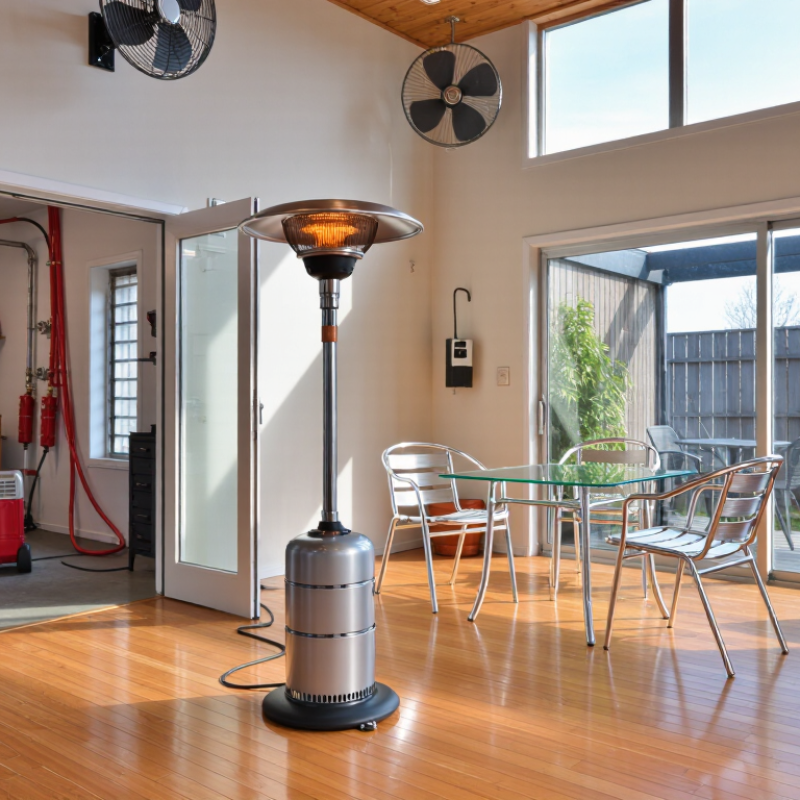
Table of Contents
[Hide]
Understanding Propane Heater Types and Their Intended Uses
How to Choose the Best Propane Heaters?
Propane heaters differ by heat delivery, installation, and location. Radiant models warm nearby people and surfaces, making them useful beside a workbench or on a covered patio. Convection models heat surrounding air more gradually. Forced-air units move hot air quickly across garages, workshops, or temporary job areas. Vented heaters send combustion gases outdoors through approved exhaust systems. Unvented heaters require stricter ventilation and moisture control. I would not choose by BTU alone. Room size, ceiling height, insulation, and airflow matter more than many buyers expect.
The U.S. Energy Information Administration reported that propane served about 5% of U.S. homes as their primary heating fuel in the 2020 Residential Energy Consumption Survey. That small share still represents varied heating needs, from rural homes to outdoor workspaces. Check the heater’s listed output, not only its fuel consumption. A small radiant heater may feel warmer than a larger air heater when you sit nearby. Never place it beside curtains, cardboard, or a damp floor. Keep a clear zone around the unit.
Safety data deserves attention. The National Fire Protection Association reported that heating equipment caused about 44,000 U.S. home fires from 2016 to 2020. Carbon monoxide protection is essential. Use ventilation and detection as directed. A practical mistake is treating an outdoor heater like an indoor appliance. I have seen how quickly cold air, wind, and poor placement reduce comfort. Recheck the manual, because “almost suitable” is still unsuitable.
Related Posts
-
What is the Best Propane Heaters for Your Home Use?
-
How to Choose the Best Propane Heaters for Your Home Needs?
-
Best Propane Heaters for Your Home Which One to Choose?
-
China Top 10 Propane Heaters Manufacturers?
-
Top 10 Essential Contractor Tools Every Professional Needs Today?
-

Top 10 New Tools Transforming Digital Workflows You Need to Know About

© Copyright - Pro Tool & Supply - Site by SVM E-Marketing Solutions - Sitemap
- Privacy policy