- Products
- Air Compressors & Air Tools
- Climate Control
- Compaction Equipment
- Concrete Cutting Tools & Equipment
- Concrete and Masonry
- Demolition & Excavation
- Electrical & Mechanical
- Fasteners and Anchoring Adhesives
- Floor Protection
- Generators and Welders
- Hand Tools
- Heaters
- Janitorial and Office Supplies
- Jobsite Protection
- Ladders & Storage
- Lighting & Lighting Accessories
- Man Lifts
- Material Handling Equipment
- Power Tools
- Pressure Washers & Pumps
- Safety Gear
- Safety Products
- Saws
- Surface Preparation
- SEASONAL PRODUCTS
- Rentals
- Air Compressor and Air Tool Rentals
- Climate Control Rental
- Compaction Rentals
- Concrete Equipment Rentals
- Demolition & Excavation Equipment Rentals
- Concrete Floor Grinder Rentals
- General Construction Equipment Rentals
- Generator Rentals and Welder Rentals
- Heater Rentals
- Light Tower Rentals
- Man Lift Rentals in Massachusetts and Rhode Island
- Material Handling Equipment Rentals
- Pressure Washer & Pump Rentals
- Saw Rentals in New England
- SEASONAL PRODUCTS
- Products
- Air Compressors & Air Tools
- Climate Control
- Compaction Equipment
- Concrete Cutting Tools & Equipment
- Demolition & Excavation
- Electrical & Mechanical
- Floor Protection
- Generators and Welders
- Construction Heaters
- Construction Ladders, Staging, & Storage
- Construction Lighting
- Man Lifts
- Material Handling Equipment
- Industrial Janitorial and Office Supplies
- Pressure Washers & Pumps
- Construction Safety Products
- Construction Safety Gear
- Surface Preparation
- Building Protection
- Diesel Accessories
- Zero Emissions
- Rentals
- Air Compressor and Air Tool Rentals
- Climate Control Rental
- Compaction Rentals
- Concrete Equipment Rental
- Demolition & Excavation Equipment Rental
- General Construction Equipment Rental
- Generator Rentals and Welder Rentals
- Construction Heaters Rental
- Light Tower Rentals
- Man Lift Rentals
- Material Handling Equipment Rental
- Pressure Washer & Pump Rentals
- Saw Rentals in New England
- Concrete Floor Grinder Rentals
- Zero Emissions Rentals
- Repairs & Used
- Parts
- Blog
- Services
- Resources
- About Us
- Contact Us
Sales & Rental of Construction | Industrial Equipment & Supplies


What is the Best Propane Heaters for Your Home Use?
When it comes to heating your home, propane heaters are a popular choice. These heaters provide efficient warmth while being cost-effective. According to Mike Johnson, a propane heating expert, "Choosing the right propane heater can transform your home into a cozy retreat." This statement underscores the importance of selecting the best options for your needs.
Propane heaters come in various styles and sizes. Not all models are created equal; some deliver better performance with lower energy consumption. It's essential to consider factors like space size, heater type, and safety features. Each home has unique requirements, and what works for one might not work for another.
Many users have had mixed experiences. Some found their propane heaters efficient but less reliable during extreme cold. It’s crucial to research customer reviews and expert recommendations. Trusting the right sources can lead you to the best propane heater for your home. Making informed decisions can promote safety and maximize comfort.
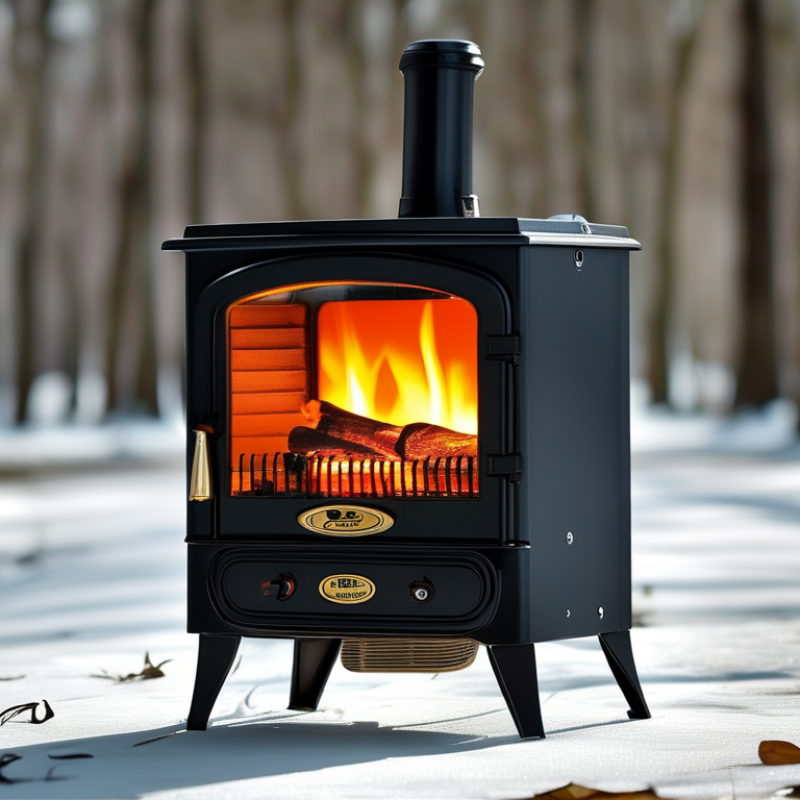
Table of Contents
[Hide]
What to Consider When Choosing a Propane Heater for Home Use
When choosing a propane heater for your home, consider the size of your space. A heater that is too small will struggle to heat the area effectively. Conversely, an oversized unit can lead to overheating and unnecessary costs. Measure your room dimensions to ensure proper sizing. Efficiency ratings are crucial, too. Look for heaters with a high Annual Fuel Utilization Efficiency (AFUE) rating.
Another important factor is safety features. A reliable propane heater should include an automatic shut-off feature. This ensures the heater turns off if it tips over or detects low oxygen levels. It’s also wise to have carbon monoxide detectors installed. They provide an extra layer of security. Think about fuel availability in your area. If propane is hard to find or expensive, it may not be the best option for you.
Noise levels can impact comfort in your home. Some heaters produce noise that could disrupt daily activities. Check reviews for feedback on noise. Consider portability if you plan to move the heater between rooms. A lighter unit with wheels may work best. Finally, reflect on maintenance needs. A unit that requires frequent servicing may not be ideal. Balancing these factors will lead to a more informed decision.
Related Posts
-
How to Choose the Best Propane Heaters for Your Home Needs?
-
Best Propane Heaters for Your Home Which One to Choose?
-
Best Concrete Finishing Tools You Need for a Perfect Smooth Finish
-
Top Machine Tools for 2026 What You Need to Know?
-

Top 10 Work Tools Every Global Buyer Needs to Succeed?
-
The Best Electric Power Tools for Every DIY Enthusiast in 2023

© Copyright - Pro Tool & Supply - Site by SVM E-Marketing Solutions - Sitemap
- Privacy policy