- Products
- Air Compressors & Air Tools
- Climate Control
- Compaction Equipment
- Concrete Cutting Tools & Equipment
- Concrete and Masonry
- Demolition & Excavation
- Electrical & Mechanical
- Fasteners and Anchoring Adhesives
- Floor Protection
- Generators and Welders
- Hand Tools
- Heaters
- Janitorial and Office Supplies
- Jobsite Protection
- Ladders & Storage
- Lighting & Lighting Accessories
- Man Lifts
- Material Handling Equipment
- Power Tools
- Pressure Washers & Pumps
- Safety Gear
- Safety Products
- Saws
- Surface Preparation
- SEASONAL PRODUCTS
- Rentals
- Air Compressor and Air Tool Rentals
- Climate Control Rental
- Compaction Rentals
- Concrete Equipment Rentals
- Demolition & Excavation Equipment Rentals
- Concrete Floor Grinder Rentals
- General Construction Equipment Rentals
- Generator Rentals and Welder Rentals
- Heater Rentals
- Light Tower Rentals
- Man Lift Rentals in Massachusetts and Rhode Island
- Material Handling Equipment Rentals
- Pressure Washer & Pump Rentals
- Saw Rentals in New England
- SEASONAL PRODUCTS
- Products
- Air Compressors & Air Tools
- Climate Control
- Compaction Equipment
- Concrete Cutting Tools & Equipment
- Demolition & Excavation
- Electrical & Mechanical
- Floor Protection
- Generators and Welders
- Construction Heaters
- Construction Ladders, Staging, & Storage
- Construction Lighting
- Man Lifts
- Material Handling Equipment
- Industrial Janitorial and Office Supplies
- Pressure Washers & Pumps
- Construction Safety Products
- Construction Safety Gear
- Surface Preparation
- Building Protection
- Diesel Accessories
- Zero Emissions
- Rentals
- Air Compressor and Air Tool Rentals
- Climate Control Rental
- Compaction Rentals
- Concrete Equipment Rental
- Demolition & Excavation Equipment Rental
- General Construction Equipment Rental
- Generator Rentals and Welder Rentals
- Construction Heaters Rental
- Light Tower Rentals
- Man Lift Rentals
- Material Handling Equipment Rental
- Pressure Washer & Pump Rentals
- Saw Rentals in New England
- Concrete Floor Grinder Rentals
- Zero Emissions Rentals
- Repairs & Used
- Parts
- Blog
- Services
- Resources
- About Us
- Contact Us
Sales & Rental of Construction | Industrial Equipment & Supplies


Top Machine Tools for 2026 What You Need to Know?
As we look towards the future, the landscape of machine tools is evolving rapidly. Innovations in technology are shaping how these essential tools operate. By 2026, advancements will undoubtedly impact various industries, from manufacturing to aerospace. Understanding these trends is crucial for businesses aiming to stay competitive.
New machine tools promise enhanced efficiency and precision. Automation and smart technology are becoming the norm. Companies now prioritize tools that integrate seamlessly with existing systems. Yet, navigating this complex market can be challenging. Some businesses may find it difficult to adopt these advancements effectively. Therefore, staying informed and adaptable is more important than ever.
Potential buyers must consider numerous factors. Features, costs, and compatibility with current operations are key considerations. Additionally, industry standards may shift, requiring ongoing evaluation. There is both excitement and uncertainty in this transition. Investing wisely in machine tools can lead to significant gains. However, it also demands a thoughtful approach and continuous learning.
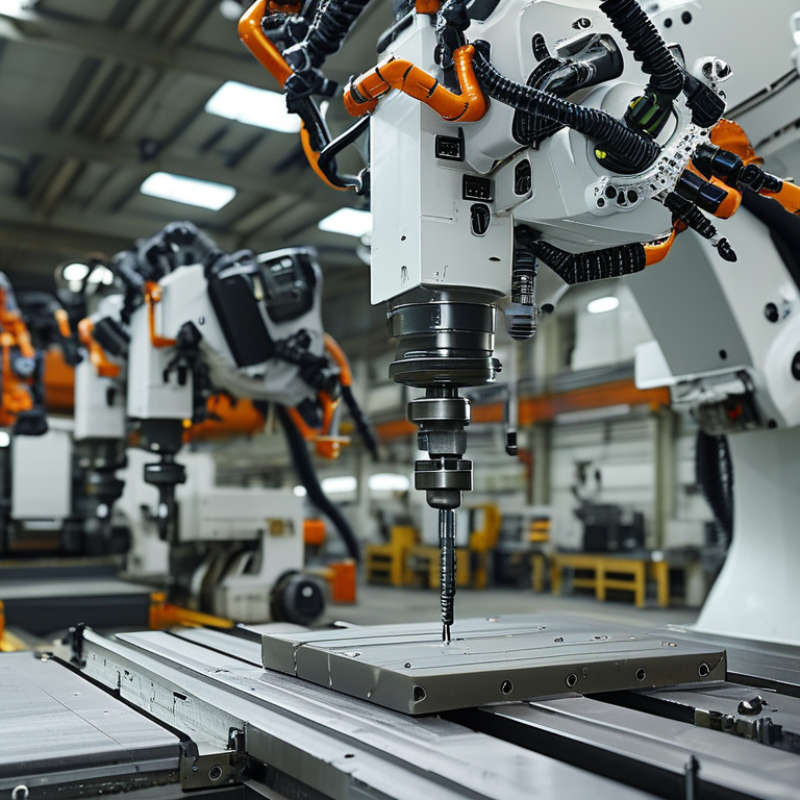
Table of Contents
[Hide]
Key Trends in Machine Tool Technology for 2026
As we look ahead to 2026, machine tool technology is evolving rapidly. Key trends are becoming clear, driven by automation and digital integration. According to a recent industry report by Market Research Future, the global machine tool market is expected to reach approximately $100 billion by 2026, with an annual growth rate of over 6%. This surge reflects increasing demand for precision and efficiency in manufacturing processes.
One significant trend is the rise of smart factories. These facilities utilize interconnected machines and real-time data analytics. A study by McKinsey reveals that smart factories can increase productivity by as much as 20-30%. However, implementation can be challenging. Many manufacturers struggle with integration. They face complex changes in workforce skills and infrastructure.
Sustainability is another focal point. Companies are investing in energy-efficient machines. According to the International Energy Agency, energy savings in machine tools can reach 30% with new technologies. This shift is essential, but sometimes companies overlook the initial costs. Balancing short-term investments with long-term gains remains a critical concern. The future of machine tools is not just about advanced technology; it’s about adapting to these challenges effectively.
Related Posts
-
Top Machine Tools for Precision Engineering and Their Impact on Industry?
-
2026 How to Choose the Best Mechanical Tools for Your Needs?
-

Top 10 Tips for Choosing the Best Electric Heaters for Your Home
-
Top Machine Tools for Precision Engineering You Need to Know About
-
Top 10 Essential Carpentry Tools Every Woodworker Should Have?
-
Top 10 Essential Contractor Tools Every Professional Needs Today?

© Copyright - Pro Tool & Supply - Site by SVM E-Marketing Solutions - Sitemap
- Privacy policy