- Products
- Air Compressors & Air Tools
- Climate Control
- Compaction Equipment
- Concrete Cutting Tools & Equipment
- Concrete and Masonry
- Demolition & Excavation
- Electrical & Mechanical
- Fasteners and Anchoring Adhesives
- Floor Protection
- Generators and Welders
- Hand Tools
- Heaters
- Janitorial and Office Supplies
- Jobsite Protection
- Ladders & Storage
- Lighting & Lighting Accessories
- Man Lifts
- Material Handling Equipment
- Power Tools
- Pressure Washers & Pumps
- Safety Gear
- Safety Products
- Saws
- Surface Preparation
- SEASONAL PRODUCTS
- Rentals
- Air Compressor and Air Tool Rentals
- Climate Control Rental
- Compaction Rentals
- Concrete Equipment Rentals
- Demolition & Excavation Equipment Rentals
- Concrete Floor Grinder Rentals
- General Construction Equipment Rentals
- Generator Rentals and Welder Rentals
- Heater Rentals
- Light Tower Rentals
- Man Lift Rentals in Massachusetts and Rhode Island
- Material Handling Equipment Rentals
- Pressure Washer & Pump Rentals
- Saw Rentals in New England
- SEASONAL PRODUCTS
- Products
- Air Compressors & Air Tools
- Climate Control
- Compaction Equipment
- Concrete Cutting Tools & Equipment
- Demolition & Excavation
- Electrical & Mechanical
- Floor Protection
- Generators and Welders
- Construction Heaters
- Construction Ladders, Staging, & Storage
- Construction Lighting
- Man Lifts
- Material Handling Equipment
- Industrial Janitorial and Office Supplies
- Pressure Washers & Pumps
- Construction Safety Products
- Construction Safety Gear
- Surface Preparation
- Building Protection
- Diesel Accessories
- Zero Emissions
- Rentals
- Air Compressor and Air Tool Rentals
- Climate Control Rental
- Compaction Rentals
- Concrete Equipment Rental
- Demolition & Excavation Equipment Rental
- General Construction Equipment Rental
- Generator Rentals and Welder Rentals
- Construction Heaters Rental
- Light Tower Rentals
- Man Lift Rentals
- Material Handling Equipment Rental
- Pressure Washer & Pump Rentals
- Saw Rentals in New England
- Concrete Floor Grinder Rentals
- Zero Emissions Rentals
- Repairs & Used
- Parts
- Blog
- Services
- Resources
- About Us
- Contact Us
Sales & Rental of Construction | Industrial Equipment & Supplies

Top 10 Essential Shop Tools Every DIY Enthusiast Should Own
Every DIY enthusiast understands the importance of having the right tools at their disposal. Whether you're working on a simple home repair or embarking on an ambitious crafting project, shop tools play a crucial role in ensuring that the task is completed efficiently and effectively. There's a certain satisfaction that comes with being able to create, fix, or improve things with your own hands, and having the essential tools at your fingertips can make all the difference in your DIY journey.
In the world of DIY, the variety and quality of shop tools can directly influence the outcome of your projects. From basic hand tools to more complex power equipment, knowing which tools are essential can save you time and effort while elevating your craftsmanship. This guide aims to highlight the top 10 essential shop tools that every DIY enthusiast should own, providing insight into their functionality and advantages. By investing in the right shop tools, you’ll be better equipped to tackle any project, no matter the scale or complexity, ensuring that your DIY adventures are both enjoyable and successful.
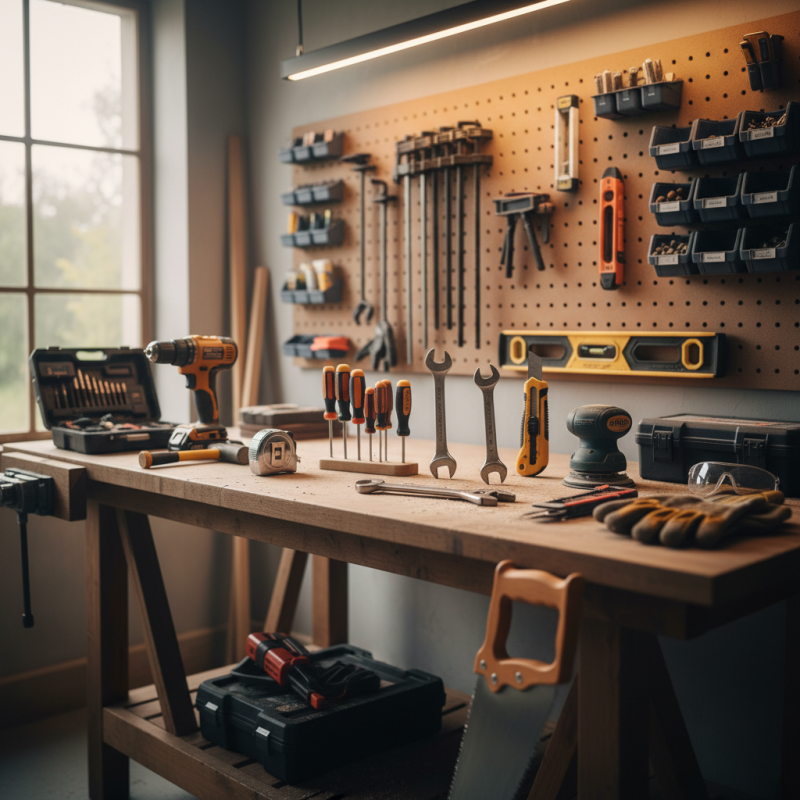
Table of Contents
[Hide]
Essential Hand Tools for DIY Projects
When tackling DIY projects, having the right hand tools is crucial for efficiency and precision. A versatile toolset not only enhances your craftsmanship but also makes the process more enjoyable. Essential hand tools for DIY enthusiasts include a robust hammer, a reliable tape measure, and a set of screwdrivers. These tools form the foundation of many projects, allowing for various tasks, from basic construction to intricate repairs.
Tip: When choosing hand tools, consider investing in high-quality items that can withstand wear and tear. Quality tools not only improve the outcome of your projects but also save you money in the long run, as they won't need to be replaced frequently.
In addition to the basics, a sturdy utility knife and a pair of pliers can significantly increase your toolkit's functionality. A utility knife is perfect for precise cutting tasks, while pliers can assist in gripping, twisting, and bending materials. These tools expand your capabilities, making it easier to tackle a wide range of DIY endeavors.
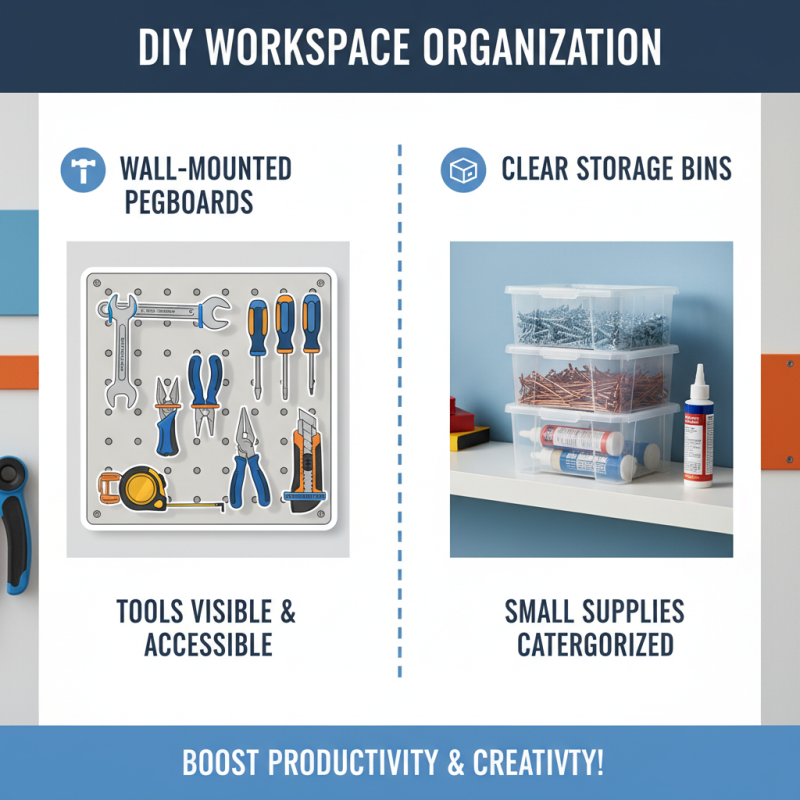
Tip: Organizing your tools in a dedicated space helps maintain order and ensures that you can find what you need quickly. Consider using a pegboard or a toolbox to keep everything accessible and in good condition. This simple step can enhance your productivity and make your DIY experience smoother.
Related Posts
-
Unlocking Success with the Right Professional Tools for Every Industry
-
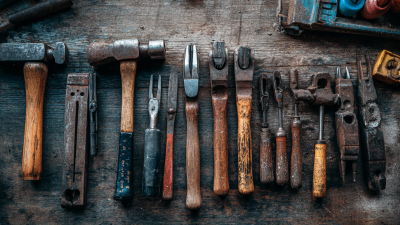
Exploring the Evolution of Shop Tools from Handheld Gadgets to Smart Technology
-

Why You Need Professional Tools for Effective Content Creation and Management
-
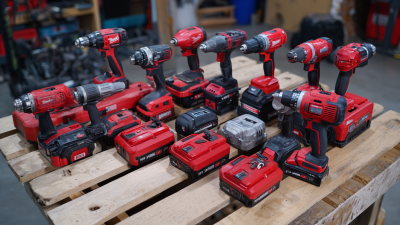
10 Essential Tips for Choosing the Right Electric Power Tools for Your Projects
-

Top 10 Tips for Choosing the Best Electric Heaters for Your Home
-
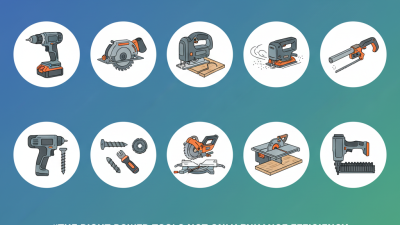
Top 10 Essential Power Tools Every DIYer Needs in 2023

© Copyright - Pro Tool & Supply - Site by SVM E-Marketing Solutions - Sitemap
- Privacy policy