- Products
- Air Compressors & Air Tools
- Climate Control
- Compaction Equipment
- Concrete Cutting Tools & Equipment
- Concrete and Masonry
- Demolition & Excavation
- Electrical & Mechanical
- Fasteners and Anchoring Adhesives
- Floor Protection
- Generators and Welders
- Hand Tools
- Heaters
- Janitorial and Office Supplies
- Jobsite Protection
- Ladders & Storage
- Lighting & Lighting Accessories
- Man Lifts
- Material Handling Equipment
- Power Tools
- Pressure Washers & Pumps
- Safety Gear
- Safety Products
- Saws
- Surface Preparation
- SEASONAL PRODUCTS
- Rentals
- Air Compressor and Air Tool Rentals
- Climate Control Rental
- Compaction Rentals
- Concrete Equipment Rentals
- Demolition & Excavation Equipment Rentals
- Concrete Floor Grinder Rentals
- General Construction Equipment Rentals
- Generator Rentals and Welder Rentals
- Heater Rentals
- Light Tower Rentals
- Man Lift Rentals in Massachusetts and Rhode Island
- Material Handling Equipment Rentals
- Pressure Washer & Pump Rentals
- Saw Rentals in New England
- SEASONAL PRODUCTS
- Products
- Air Compressors & Air Tools
- Climate Control
- Compaction Equipment
- Concrete Cutting Tools & Equipment
- Demolition & Excavation
- Electrical & Mechanical
- Floor Protection
- Generators and Welders
- Construction Heaters
- Construction Ladders, Staging, & Storage
- Construction Lighting
- Man Lifts
- Material Handling Equipment
- Industrial Janitorial and Office Supplies
- Pressure Washers & Pumps
- Construction Safety Products
- Construction Safety Gear
- Surface Preparation
- Building Protection
- Diesel Accessories
- Zero Emissions
- Rentals
- Air Compressor and Air Tool Rentals
- Climate Control Rental
- Compaction Rentals
- Concrete Equipment Rental
- Demolition & Excavation Equipment Rental
- General Construction Equipment Rental
- Generator Rentals and Welder Rentals
- Construction Heaters Rental
- Light Tower Rentals
- Man Lift Rentals
- Material Handling Equipment Rental
- Pressure Washer & Pump Rentals
- Saw Rentals in New England
- Concrete Floor Grinder Rentals
- Zero Emissions Rentals
- Repairs & Used
- Parts
- Blog
- Services
- Resources
- About Us
- Contact Us
Sales & Rental of Construction | Industrial Equipment & Supplies


Why Do You Need Essential Carpentry Tools for Your Projects?
In the world of woodworking, essential carpentry tools are crucial for any successful project. Renowned carpenter Mark W. Smith once stated, "The right tools can make or break your work." This underscores the importance of having quality tools at your disposal. Effective carpentry relies heavily on precision and efficiency, which can only be achieved with the right equipment.
Having essential carpentry tools not only enhances your skills but also boosts your confidence. A beginner might feel overwhelmed by the wide array of tools available. However, understanding the fundamental tools is key. Items like chisels, saws, and levels are not just accessories; they are the backbone of carpentry work. It's essential to invest in high-quality tools.
Yet, relying solely on tools without skill is a common pitfall. Many novice woodworkers underestimate the importance of technique. Tools can only take you so far. Learning proper usage and maintenance is equally vital. Therefore, having the right carpentry tools is essential, but mastering them requires practice and a willingness to learn from mistakes.
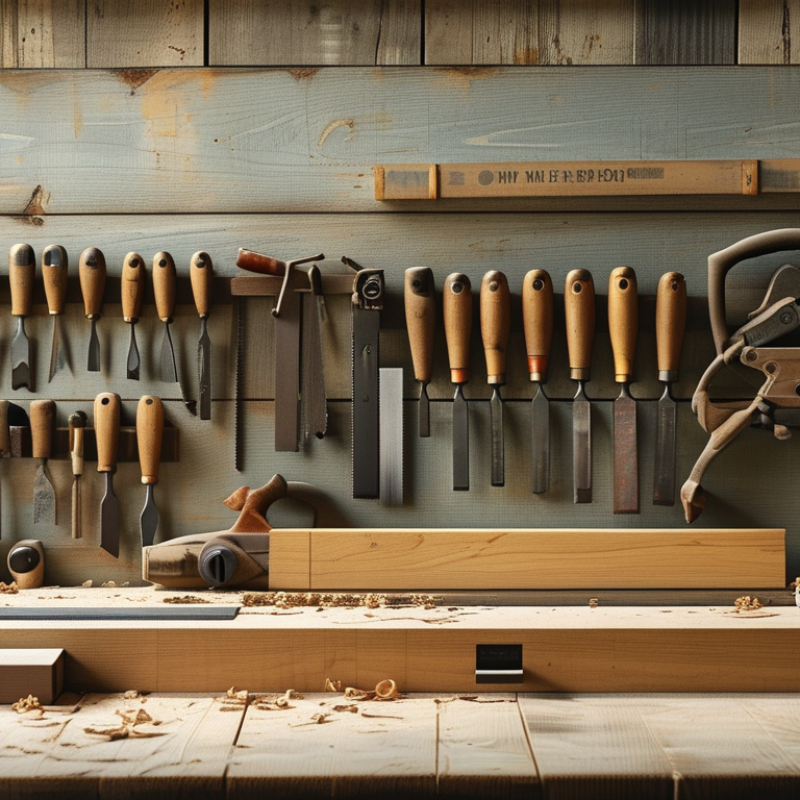
Table of Contents
[Hide]
The Importance of Essential Carpentry Tools in Construction Projects
Essential carpentry tools play a critical role in construction projects. Proper tools ensure that tasks are executed efficiently. A well-equipped carpenter can work faster and with greater precision. For example, a reliable saw allows for clean cuts, while a sturdy level ensures that surfaces are even. Such tools reduce the chances of mistakes, which often lead to costly revisions.
Selecting the right tools is vital. Each project demands specific equipment. Using poor-quality tools can result in dangerous accidents and subpar work. It's essential to analyze your requirements closely. Sometimes, investing in high-quality essentials saves money over time. In the long run, these tools maximize productivity and ensure project integrity.
Every carpenter can attest to the satisfaction of using the right tool for each job. However, the experience also teaches that even the best tools require maintenance and care. Neglecting to sharpen blades or replace worn parts can hinder performance. This highlights the importance of not just having tools, but also respecting their upkeep.
Related Posts
-
Top 10 Essential Carpentry Tools Every Woodworker Should Have?
-
Top Professional Tools in China for Global Buyers?
-
10 Essential Tips for Choosing the Right Construction Tools for Your Projects?
-
What are Machine Tools and How Do They Work?
-
The Best Electric Power Tools for Every DIY Enthusiast in 2023
-

Top New Tools That Are Revolutionizing Everyday Tasks?

© Copyright - Pro Tool & Supply - Site by SVM E-Marketing Solutions - Sitemap
- Privacy policy