- Products
- Air Compressors & Air Tools
- Climate Control
- Compaction Equipment
- Concrete Cutting Tools & Equipment
- Concrete and Masonry
- Demolition & Excavation
- Electrical & Mechanical
- Fasteners and Anchoring Adhesives
- Floor Protection
- Generators and Welders
- Hand Tools
- Heaters
- Janitorial and Office Supplies
- Jobsite Protection
- Ladders & Storage
- Lighting & Lighting Accessories
- Man Lifts
- Material Handling Equipment
- Power Tools
- Pressure Washers & Pumps
- Safety Gear
- Safety Products
- Saws
- Surface Preparation
- SEASONAL PRODUCTS
- Rentals
- Air Compressor and Air Tool Rentals
- Climate Control Rental
- Compaction Rentals
- Concrete Equipment Rentals
- Demolition & Excavation Equipment Rentals
- Concrete Floor Grinder Rentals
- General Construction Equipment Rentals
- Generator Rentals and Welder Rentals
- Heater Rentals
- Light Tower Rentals
- Man Lift Rentals in Massachusetts and Rhode Island
- Material Handling Equipment Rentals
- Pressure Washer & Pump Rentals
- Saw Rentals in New England
- SEASONAL PRODUCTS
- Products
- Air Compressors & Air Tools
- Climate Control
- Compaction Equipment
- Concrete Cutting Tools & Equipment
- Demolition & Excavation
- Electrical & Mechanical
- Floor Protection
- Generators and Welders
- Construction Heaters
- Construction Ladders, Staging, & Storage
- Construction Lighting
- Man Lifts
- Material Handling Equipment
- Industrial Janitorial and Office Supplies
- Pressure Washers & Pumps
- Construction Safety Products
- Construction Safety Gear
- Surface Preparation
- Building Protection
- Diesel Accessories
- Zero Emissions
- Rentals
- Air Compressor and Air Tool Rentals
- Climate Control Rental
- Compaction Rentals
- Concrete Equipment Rental
- Demolition & Excavation Equipment Rental
- General Construction Equipment Rental
- Generator Rentals and Welder Rentals
- Construction Heaters Rental
- Light Tower Rentals
- Man Lift Rentals
- Material Handling Equipment Rental
- Pressure Washer & Pump Rentals
- Saw Rentals in New England
- Concrete Floor Grinder Rentals
- Zero Emissions Rentals
- Repairs & Used
- Parts
- Blog
- Services
- Resources
- About Us
- Contact Us
Sales & Rental of Construction | Industrial Equipment & Supplies


Top Professional Tools in China for Global Buyers?
In today's global market, professional tools from China attract many buyers. The nation's manufacturing capabilities and innovation drive its tool industry. Professional tools in China cater to various sectors, including construction, automotive, and electronics. Buyers seek reliable, high-quality products that enhance productivity.
China's diverse range of professional tools includes hand tools, power tools, and specialized equipment. While many products demonstrate excellent craftsmanship, some might not meet every buyer's expectations. It's essential for buyers to conduct thorough research and vet suppliers.
Despite challenges in quality assurance, numerous reputable manufacturers have established their presence. Engaging with the right partners can unlock access to unique solutions tailored for specific needs. Navigating this landscape requires knowledge and discernment to ensure successful procurement of professional tools.
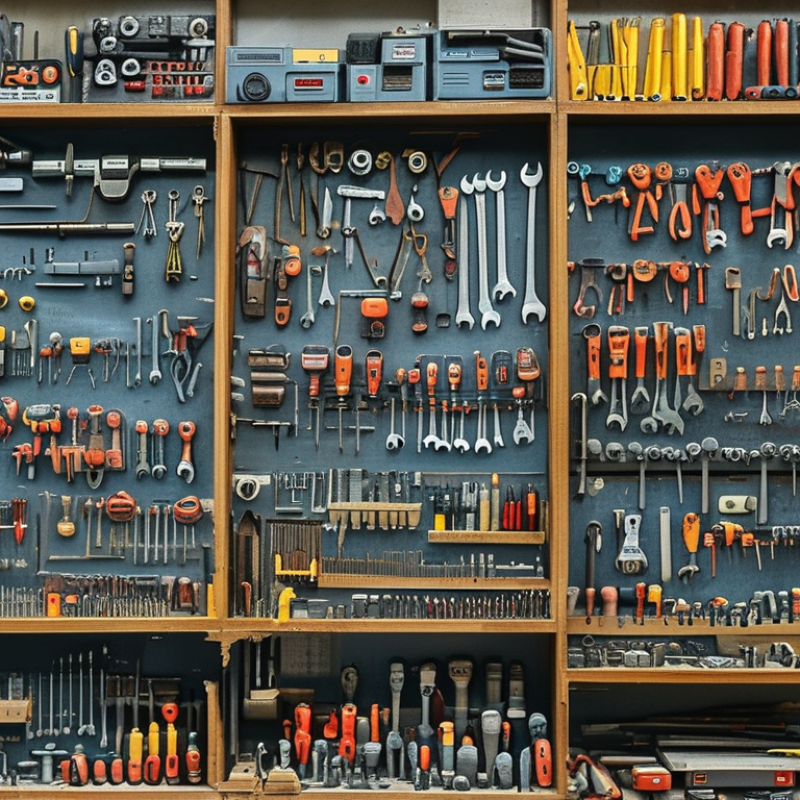
Table of Contents
[Hide]
Top Professional Tools in China for Global Buyers
China has emerged as a leading hub for professional tools catering to global buyers. According to a recent industry report, approximately 40% of global tool exports in 2022 originated from China. This showcases the country's significant influence in the international market. Notably, many buyers are attracted to the high quality and innovation that these tools provide.
Manufacturers in China are increasingly adopting advanced technology in production processes. This has resulted in improved precision and enhanced durability. For instance, the introduction of automation has led to a 30% increase in efficiency. However, some manufacturers still face challenges in maintaining consistent quality. Instances of quality control issues have been reported, which prompts buyers to remain vigilant.
Additionally, global buyers are prioritizing sustainable practices. A study revealed that over 60% of buyers consider environmental impact as a crucial factor when selecting tools. This trend has led to a rise in eco-friendly manufacturing processes among Chinese suppliers. However, transparency in sourcing materials can still be lacking, highlighting the need for better practices in the industry. Each of these factors emphasizes the evolving landscape of professional tools in China and the need for global buyers to approach partnerships with both optimism and caution.
Related Posts
-
Top 10 Essential Shop Tools Every DIY Enthusiast Should Own
-

Top Used Tools for Efficient Home Improvement Projects?
-
Unlocking Success with the Right Professional Tools for Every Industry
-
Exploring the Evolution of Shop Tools from Handheld Gadgets to Smart Technology
-

Why You Need Professional Tools for Effective Content Creation and Management
-

How to Choose the Best Professional Tools for Your Business Needs?

© Copyright - Pro Tool & Supply - Site by SVM E-Marketing Solutions - Sitemap
- Privacy policy