- Products
- Air Compressors & Air Tools
- Climate Control
- Compaction Equipment
- Concrete Cutting Tools & Equipment
- Concrete and Masonry
- Demolition & Excavation
- Electrical & Mechanical
- Fasteners and Anchoring Adhesives
- Floor Protection
- Generators and Welders
- Hand Tools
- Heaters
- Janitorial and Office Supplies
- Jobsite Protection
- Ladders & Storage
- Lighting & Lighting Accessories
- Man Lifts
- Material Handling Equipment
- Power Tools
- Pressure Washers & Pumps
- Safety Gear
- Safety Products
- Saws
- Surface Preparation
- SEASONAL PRODUCTS
- Rentals
- Air Compressor and Air Tool Rentals
- Climate Control Rental
- Compaction Rentals
- Concrete Equipment Rentals
- Demolition & Excavation Equipment Rentals
- Concrete Floor Grinder Rentals
- General Construction Equipment Rentals
- Generator Rentals and Welder Rentals
- Heater Rentals
- Light Tower Rentals
- Man Lift Rentals in Massachusetts and Rhode Island
- Material Handling Equipment Rentals
- Pressure Washer & Pump Rentals
- Saw Rentals in New England
- SEASONAL PRODUCTS
- Products
- Air Compressors & Air Tools
- Climate Control
- Compaction Equipment
- Concrete Cutting Tools & Equipment
- Demolition & Excavation
- Electrical & Mechanical
- Floor Protection
- Generators and Welders
- Construction Heaters
- Construction Ladders, Staging, & Storage
- Construction Lighting
- Man Lifts
- Material Handling Equipment
- Industrial Janitorial and Office Supplies
- Pressure Washers & Pumps
- Construction Safety Products
- Construction Safety Gear
- Surface Preparation
- Building Protection
- Diesel Accessories
- Zero Emissions
- Rentals
- Air Compressor and Air Tool Rentals
- Climate Control Rental
- Compaction Rentals
- Concrete Equipment Rental
- Demolition & Excavation Equipment Rental
- General Construction Equipment Rental
- Generator Rentals and Welder Rentals
- Construction Heaters Rental
- Light Tower Rentals
- Man Lift Rentals
- Material Handling Equipment Rental
- Pressure Washer & Pump Rentals
- Saw Rentals in New England
- Concrete Floor Grinder Rentals
- Zero Emissions Rentals
- Repairs & Used
- Parts
- Blog
- Services
- Resources
- About Us
- Contact Us
Sales & Rental of Construction | Industrial Equipment & Supplies

How to Choose the Best Professional Tools for Your Business Needs?
In the rapidly evolving business landscape, choosing the right professional tools can be a game-changer. According to a report by Market Research Future, the professional tools industry is projected to grow substantially, reaching billions in value over the next few years. Industry expert John Lewis emphasizes, “The right tools can enhance productivity and streamline operations.” Yet, many businesses struggle to select the tools that truly fit their needs.
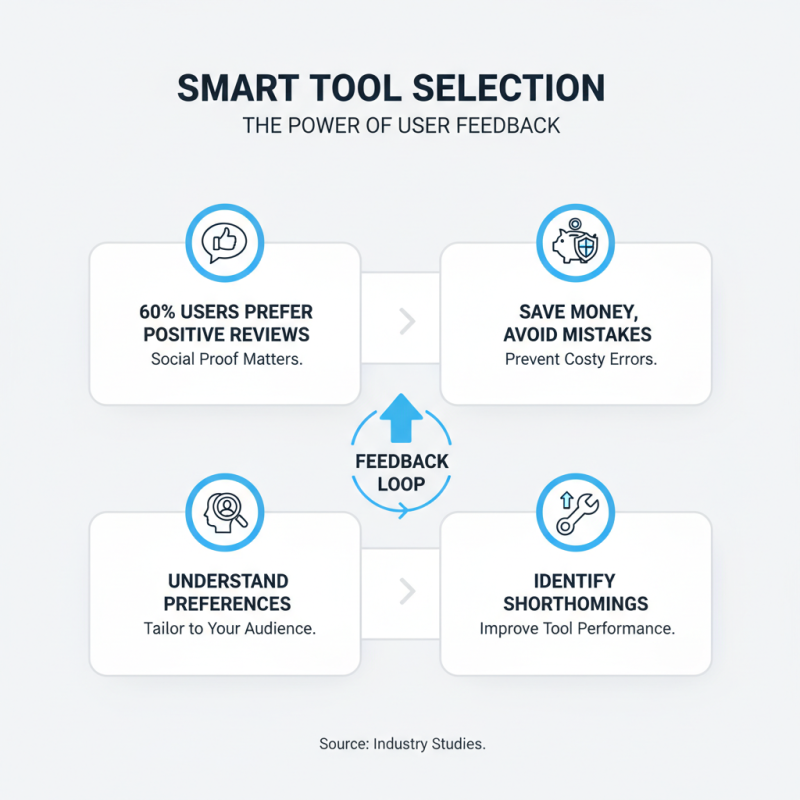
Professional tools encompass a wide range, including software, equipment, and systems designed to improve efficiency. The selection process can be daunting. Companies often face challenges in assessing feature sets, compatibility, and user-friendliness. Understanding the specific needs of your business is crucial. Reports indicate that 60% of businesses have experienced inefficiencies due to inadequate tools. This suggests a need for deeper evaluation before making investments.
Reflecting on your company’s unique requirements is essential. Engage with team members to gather insights on potential gaps. Balancing functionality and budget can lead to an imperfect match at times. However, acknowledging these challenges allows for more informed choices in the dynamic world of professional tools.

Table of Contents
[Hide]
Identifying Your Business Requirements and Goals
Identifying your business requirements and goals is essential for choosing tools that truly fit your needs. Start by evaluating what you do. List tasks that take up most of your time. For example, do you spend hours on bookkeeping? Or is customer communication a challenge? These details shape what you require.
Next, outline your short- and long-term goals. Consider both operational and strategic objectives. Do you need to streamline processes or boost sales? Defining goals guides your search for tools that align with your vision. If you overlook this step, you might end up with software that complicates tasks instead of simplifying them.
Reflect on your current capabilities too. Are your team members tech-savvy? The tools you choose should match their skill levels. If your team struggles with complex software, it may lead to frustration rather than improvement. This self-awareness can prevent missteps and ensure smoother transitions when integrating new solutions.
Related Posts
-
Unlocking Success with the Right Professional Tools for Every Industry
-

Exploring the Evolution of Shop Tools from Handheld Gadgets to Smart Technology
-
Why You Need Professional Tools for Effective Content Creation and Management
-

Top 10 Essential Shop Tools Every DIY Enthusiast Should Own
-

10 Essential Tips for Using All Tools Effectively in Your Projects?
-
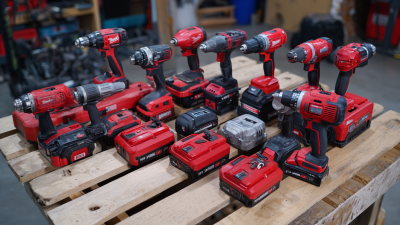
10 Essential Tips for Choosing the Right Electric Power Tools for Your Projects

© Copyright - Pro Tool & Supply - Site by SVM E-Marketing Solutions - Sitemap
- Privacy policy