- Products
- Air Compressors & Air Tools
- Climate Control
- Compaction Equipment
- Concrete Cutting Tools & Equipment
- Concrete and Masonry
- Demolition & Excavation
- Electrical & Mechanical
- Fasteners and Anchoring Adhesives
- Floor Protection
- Generators and Welders
- Hand Tools
- Heaters
- Janitorial and Office Supplies
- Jobsite Protection
- Ladders & Storage
- Lighting & Lighting Accessories
- Man Lifts
- Material Handling Equipment
- Power Tools
- Pressure Washers & Pumps
- Safety Gear
- Safety Products
- Saws
- Surface Preparation
- SEASONAL PRODUCTS
- Rentals
- Air Compressor and Air Tool Rentals
- Climate Control Rental
- Compaction Rentals
- Concrete Equipment Rentals
- Demolition & Excavation Equipment Rentals
- Concrete Floor Grinder Rentals
- General Construction Equipment Rentals
- Generator Rentals and Welder Rentals
- Heater Rentals
- Light Tower Rentals
- Man Lift Rentals in Massachusetts and Rhode Island
- Material Handling Equipment Rentals
- Pressure Washer & Pump Rentals
- Saw Rentals in New England
- SEASONAL PRODUCTS
- Products
- Air Compressors & Air Tools
- Climate Control
- Compaction Equipment
- Concrete Cutting Tools & Equipment
- Demolition & Excavation
- Electrical & Mechanical
- Floor Protection
- Generators and Welders
- Construction Heaters
- Construction Ladders, Staging, & Storage
- Construction Lighting
- Man Lifts
- Material Handling Equipment
- Industrial Janitorial and Office Supplies
- Pressure Washers & Pumps
- Construction Safety Products
- Construction Safety Gear
- Surface Preparation
- Building Protection
- Diesel Accessories
- Zero Emissions
- Rentals
- Air Compressor and Air Tool Rentals
- Climate Control Rental
- Compaction Rentals
- Concrete Equipment Rental
- Demolition & Excavation Equipment Rental
- General Construction Equipment Rental
- Generator Rentals and Welder Rentals
- Construction Heaters Rental
- Light Tower Rentals
- Man Lift Rentals
- Material Handling Equipment Rental
- Pressure Washer & Pump Rentals
- Saw Rentals in New England
- Concrete Floor Grinder Rentals
- Zero Emissions Rentals
- Repairs & Used
- Parts
- Blog
- Services
- Resources
- About Us
- Contact Us
Sales & Rental of Construction | Industrial Equipment & Supplies


What Are the Best Floor Tools from China for Buyers?
Choosing the best floor tools from China requires more than comparing prices on a supplier website. Buyers must examine performance, materials, production consistency, and after-sales support. A low quotation may look attractive, but weak handles, uneven blades, or unreliable packaging can create hidden costs.
China offers a broad range of floor tools for installation, maintenance, cleaning, and surface preparation. These products include tile cutters, grout floats, leveling systems, scrapers, trowels, adhesive spreaders, and floor squeegees. Each tool should match the project, substrate, working environment, and expected service life. For example, a stainless-steel trowel may resist corrosion, while a reinforced plastic float can reduce weight during repetitive work.
Details matter.
Experienced buyers often request material specifications, product drawings, load tests, sample units, and packaging photographs. They should also check factory experience, quality-control procedures, production capacity, and communication reliability. Independent inspections can help confirm dimensions, surface finish, labeling, and carton strength before shipment. Certifications may support credibility, but they should be verified rather than accepted automatically.
Not every supplier with polished images provides dependable quality. Some samples perform well, while later batches vary. That risk deserves attention. Buyers should compare several factories, define acceptable tolerances, and record inspection results. Clear contracts and practical payment terms also reduce misunderstandings.
This guide explores how to evaluate Chinese floor tools with a professional, evidence-based approach. It focuses on product selection, supplier verification, customization, shipping protection, and long-term value. The best choice is rarely the cheapest tool. It is the tool that performs consistently when the job becomes demanding.
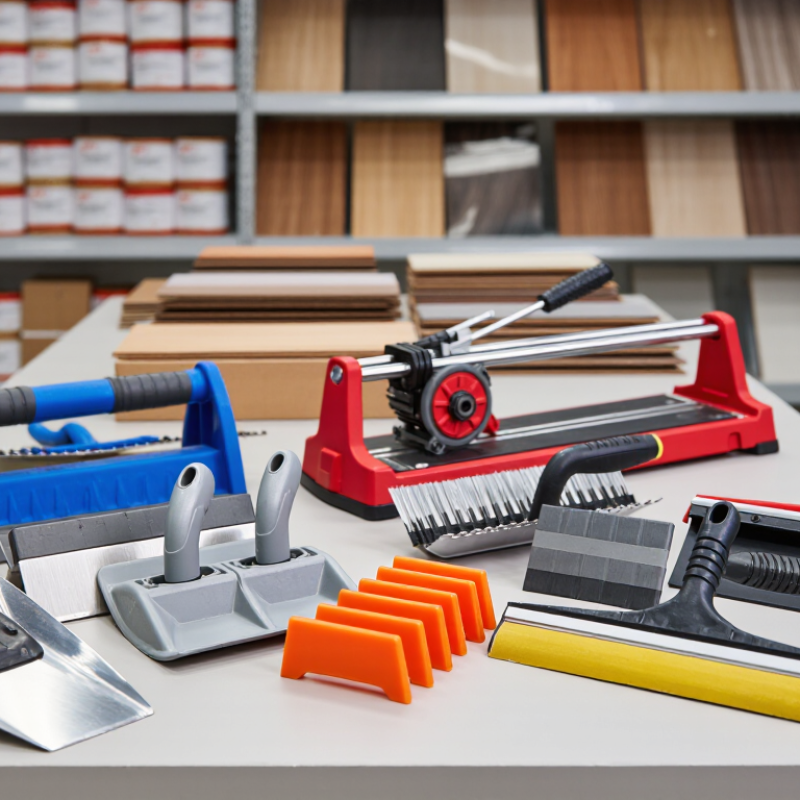
Table of Contents
[Hide]
Types of Floor Tools China Offers for Global Buyers
China supplies a broad floor-tool ecosystem for global buyers. Its catalog includes hand trowels, aluminum screeds, power floats, concrete cutters, surface grinders, scarifiers, mixers, and laser levels. Each tool serves a different stage of floor preparation. A vibrating screed levels fresh concrete across large bays. A power float closes the surface later. Diamond grinders remove laitance, adhesive, or uneven patches before coating. Dust extractors matter too. Fine silica dust can damage workers and contaminate finished areas.
The 2024 Global Status Report for Buildings and Construction links buildings and construction to about 37% of global energy and process-related emissions. Efficient motors and controlled dust collection therefore deserve more attention than low purchase prices. China-made electric grinders commonly offer adjustable speeds, water-feed options, and replaceable diamond segments. Buyers should compare tested output, not only motor wattage. A stronger motor may still perform poorly with weak bearings or poor balance.
For export projects, request load-test records, wiring details, spare-part lists, and manuals in clear English. Check plug compatibility and applicable conformity requirements before shipment. On a large warehouse slab, wheel height and handle vibration can affect productivity within minutes. Small details matter. A cheap screed may save money initially, but bent rails can create visible waves. The difficult part is choosing the correct tool, not finding one. Product data is sometimes incomplete, and that deserves honest questioning. Test one sample on the actual floor material before placing a large order.
Related Posts
-
10 Tips for Choosing the Best Floor Tools for Global Buyers
-
What are Machine Tools and How Do They Work?
-

What Is All Tools A Guide for Global Buyers?
-
Best New Construction Tools to Watch in 2026?
-
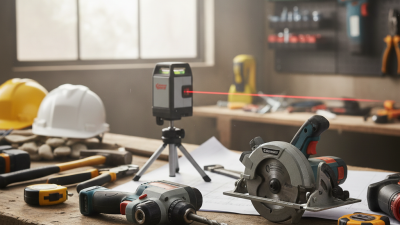
Top 10 Contractor Tools You Need for Efficient Projects?
-
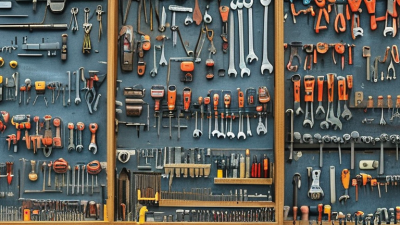
Top Professional Tools in China for Global Buyers?

© Copyright - Pro Tool & Supply - Site by SVM E-Marketing Solutions - Sitemap
- Privacy policy