- Products
- Air Compressors & Air Tools
- Climate Control
- Compaction Equipment
- Concrete Cutting Tools & Equipment
- Concrete and Masonry
- Demolition & Excavation
- Electrical & Mechanical
- Fasteners and Anchoring Adhesives
- Floor Protection
- Generators and Welders
- Hand Tools
- Heaters
- Janitorial and Office Supplies
- Jobsite Protection
- Ladders & Storage
- Lighting & Lighting Accessories
- Man Lifts
- Material Handling Equipment
- Power Tools
- Pressure Washers & Pumps
- Safety Gear
- Safety Products
- Saws
- Surface Preparation
- SEASONAL PRODUCTS
- Rentals
- Air Compressor and Air Tool Rentals
- Climate Control Rental
- Compaction Rentals
- Concrete Equipment Rentals
- Demolition & Excavation Equipment Rentals
- Concrete Floor Grinder Rentals
- General Construction Equipment Rentals
- Generator Rentals and Welder Rentals
- Heater Rentals
- Light Tower Rentals
- Man Lift Rentals in Massachusetts and Rhode Island
- Material Handling Equipment Rentals
- Pressure Washer & Pump Rentals
- Saw Rentals in New England
- SEASONAL PRODUCTS
- Products
- Air Compressors & Air Tools
- Climate Control
- Compaction Equipment
- Concrete Cutting Tools & Equipment
- Demolition & Excavation
- Electrical & Mechanical
- Floor Protection
- Generators and Welders
- Construction Heaters
- Construction Ladders, Staging, & Storage
- Construction Lighting
- Man Lifts
- Material Handling Equipment
- Industrial Janitorial and Office Supplies
- Pressure Washers & Pumps
- Construction Safety Products
- Construction Safety Gear
- Surface Preparation
- Building Protection
- Diesel Accessories
- Zero Emissions
- Rentals
- Air Compressor and Air Tool Rentals
- Climate Control Rental
- Compaction Rentals
- Concrete Equipment Rental
- Demolition & Excavation Equipment Rental
- General Construction Equipment Rental
- Generator Rentals and Welder Rentals
- Construction Heaters Rental
- Light Tower Rentals
- Man Lift Rentals
- Material Handling Equipment Rental
- Pressure Washer & Pump Rentals
- Saw Rentals in New England
- Concrete Floor Grinder Rentals
- Zero Emissions Rentals
- Repairs & Used
- Parts
- Blog
- Services
- Resources
- About Us
- Contact Us
Sales & Rental of Construction | Industrial Equipment & Supplies


7 Wi-Fi HaLow Buying Tips for Global Buyers?
Global buyers evaluating Wi-Fi HaLow face a practical question: will the radio fit the site, devices, and local market? IoT Analytics’ State of IoT 2024 report estimated 18.8 billion connected IoT devices worldwide that year, with growth expected to continue. That scale makes long-range, low-power connectivity attractive for warehouses, farms, campuses, and utility monitoring. Yet a promising specification is not a buying decision.
Wi-Fi Alliance describes Wi-Fi HaLow, based on IEEE 802.11ah, as a Wi-Fi technology designed for IoT devices and sub-1 GHz operation. Buyers should compare supported regional bands, channel widths, transmit power, antenna options, security features, and device capacity. Check these against deployment requirements and local radio rules before requesting quotes. Those details can vary by market. Ask suppliers for test conditions behind range claims, and request evidence of certification, interoperability, firmware support, and product availability. A datasheet rarely tells the whole story.
Range is not everything. A compact sensor behind a metal wall may behave differently from one in an open field. Pilot the system with representative devices, gateways, and building materials. Record packet delivery, battery use, and setup effort. Some specifications remain hard to compare across vendors; that uncertainty deserves scrutiny, not optimism. These seven buying tips help global teams ask sharper questions, avoid costly assumptions, and choose Wi-Fi HaLow equipment suited to the deployment—not just the brochure.
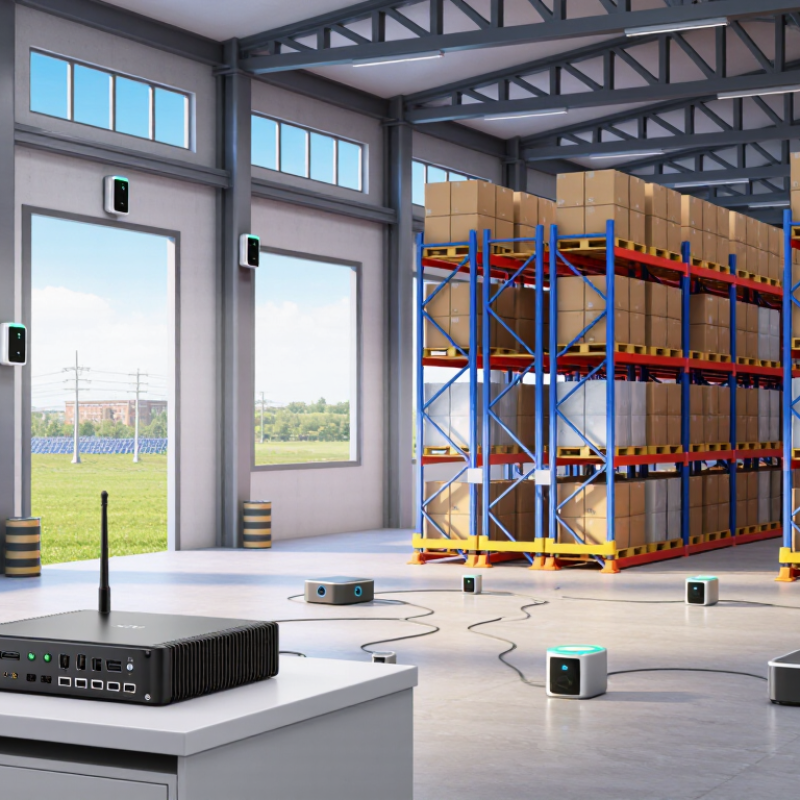
Table of Contents [Hide]
Understand Wi-Fi HaLow’s Range, Frequency, and Device Compatibility
Wi-Fi HaLow uses the IEEE 802.11ah standard and sub-gigahertz radio bands. Its lower frequencies can travel farther and pass through some obstacles better than 2.4 GHz Wi-Fi. But range is never guaranteed. Concrete walls, metal shelving, antenna placement, and interference all affect coverage. A warehouse test may not predict performance in a home or outdoor site. Real sites are messier.
Tip: Check the exact operating frequency offered in each target market, then confirm it suits your deployment. Ask suppliers for test results from similar environments, not just ideal range figures. Measure twice. A small pilot with sensors placed behind walls or near loading bays can reveal weak spots before a large order.
Device compatibility needs equal care. HaLow equipment does not automatically connect to ordinary Wi-Fi devices. Confirm that sensors, access points, and gateways support the same 802.11ah band and security features. Check how data reaches your existing network or management platform. Some products may need a dedicated gateway, adding cost and setup work. I would verify interoperability with actual devices before committing; specification sheets can leave gaps. Keep a written list of required bands, protocols, and connection paths for supplier review.

© Copyright - Pro Tool & Supply - Site by SVM E-Marketing Solutions - Sitemap
- Privacy policy