- Products
- Air Compressors & Air Tools
- Climate Control
- Compaction Equipment
- Concrete Cutting Tools & Equipment
- Concrete and Masonry
- Demolition & Excavation
- Electrical & Mechanical
- Fasteners and Anchoring Adhesives
- Floor Protection
- Generators and Welders
- Hand Tools
- Heaters
- Janitorial and Office Supplies
- Jobsite Protection
- Ladders & Storage
- Lighting & Lighting Accessories
- Man Lifts
- Material Handling Equipment
- Power Tools
- Pressure Washers & Pumps
- Safety Gear
- Safety Products
- Saws
- Surface Preparation
- SEASONAL PRODUCTS
- Rentals
- Air Compressor and Air Tool Rentals
- Climate Control Rental
- Compaction Rentals
- Concrete Equipment Rentals
- Demolition & Excavation Equipment Rentals
- Concrete Floor Grinder Rentals
- General Construction Equipment Rentals
- Generator Rentals and Welder Rentals
- Heater Rentals
- Light Tower Rentals
- Man Lift Rentals in Massachusetts and Rhode Island
- Material Handling Equipment Rentals
- Pressure Washer & Pump Rentals
- Saw Rentals in New England
- SEASONAL PRODUCTS
- Products
- Air Compressors & Air Tools
- Climate Control
- Compaction Equipment
- Concrete Cutting Tools & Equipment
- Demolition & Excavation
- Electrical & Mechanical
- Floor Protection
- Generators and Welders
- Construction Heaters
- Construction Ladders, Staging, & Storage
- Construction Lighting
- Man Lifts
- Material Handling Equipment
- Industrial Janitorial and Office Supplies
- Pressure Washers & Pumps
- Construction Safety Products
- Construction Safety Gear
- Surface Preparation
- Building Protection
- Diesel Accessories
- Zero Emissions
- Rentals
- Air Compressor and Air Tool Rentals
- Climate Control Rental
- Compaction Rentals
- Concrete Equipment Rental
- Demolition & Excavation Equipment Rental
- General Construction Equipment Rental
- Generator Rentals and Welder Rentals
- Construction Heaters Rental
- Light Tower Rentals
- Man Lift Rentals
- Material Handling Equipment Rental
- Pressure Washer & Pump Rentals
- Saw Rentals in New England
- Concrete Floor Grinder Rentals
- Zero Emissions Rentals
- Repairs & Used
- Parts
- Blog
- Services
- Resources
- About Us
- Contact Us
Sales & Rental of Construction | Industrial Equipment & Supplies


Why Use a Sediment Filter for Water Filtration?
Clean water can still carry visible particles from aging pipes, construction, or unstable source conditions. A Sediment Filter provides a practical first barrier against sand, silt, rust flakes, and other suspended solids. It is often installed before carbon filters, membranes, water heaters, or whole-house treatment systems. Small details matter. A clogged cartridge may reduce pressure before users notice poorer water quality.
The WHO/UNICEF Joint Monitoring Programme reported that 2.2 billion people lacked safely managed drinking water in 2022. That figure highlights a global treatment challenge, but filtration choices must remain specific to local water conditions. The World Health Organization’s Guidelines for Drinking-water Quality also links turbidity control with effective disinfection. However, a sediment filter does not reliably remove dissolved chemicals, viruses, or bacteria. It is not magic.
NSF International’s NSF/ANSI 42 standard addresses aesthetic effects, including particulate reduction claims, when products meet applicable testing requirements. Buyers should therefore examine micron ratings, flow capacity, replacement intervals, and independent certification. A five-micron cartridge may capture finer particles than a twenty-micron cartridge, but it can clog sooner. Field experience shows that cloudy water after pipe repairs often demands inspection, not simply a denser filter. Professional testing remains essential when water contains unusual odors, metals, or recurring contamination.
This introduction explains why sediment filtration remains valuable, where it stops, and how correct sizing improves protection, maintenance, and everyday confidence.
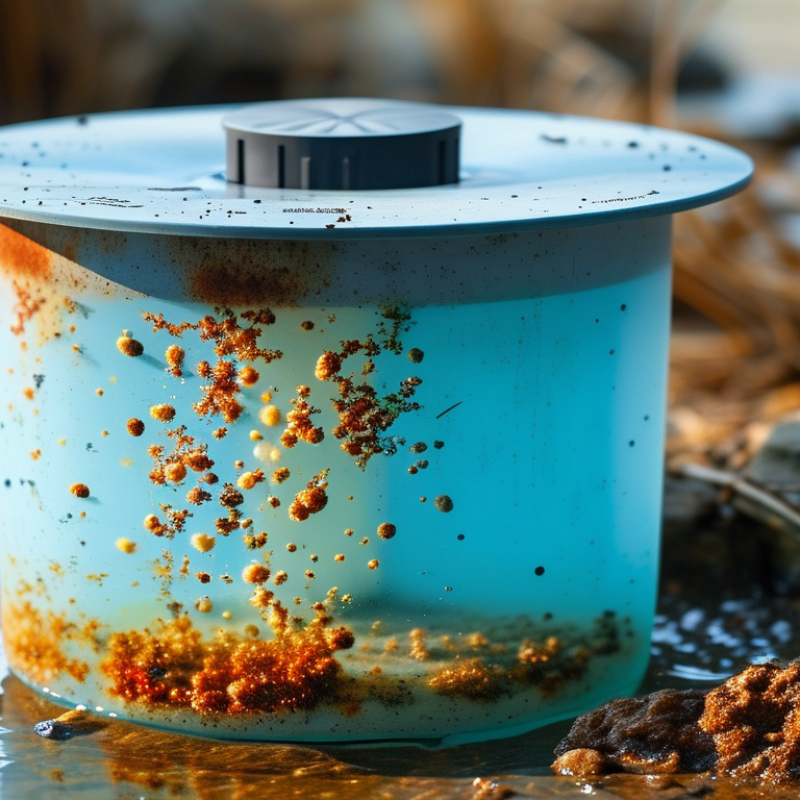
Table of Contents [Hide]
What a Sediment Filter Is and How It Works
Why Use a Sediment Filter for Water Filtration?
A sediment filter is a physical barrier that catches suspended particles in water. These particles may include sand, silt, rust flakes, and loose pipe scale. The filter usually contains a porous cartridge made from layered fiber or tightly packed material. Water passes through the cartridge, while particles remain trapped in its structure.
It is simple. Yet the details matter. A cartridge with a smaller micron rating can capture finer particles, but it may clog sooner. A larger rating allows more flow and needs less frequent replacement. In a home inspection, I would check the water source, visible particles, flow pressure, and cartridge condition before choosing one. Cloudy water may look harmless, but it can gradually affect faucets, shower valves, and water-using appliances.
Sediment filters protect later treatment stages by reducing the physical load on them. They can also prevent grit from entering narrow passages and causing premature wear. However, they do not normally remove dissolved chemicals, microorganisms, or unpleasant odors. A filter that looks clean may still be overdue for service, especially when water pressure drops or flow becomes weak. This is where practice becomes less tidy: replacement timing depends on water quality, usage, and filter capacity. Checking the cartridge regularly is more reliable than following a calendar alone. Tests can reveal problems that appearance misses.
Why Use a Sediment Filter for Water Filtration? - What a Sediment Filter Is and How It Works
| Data Dimension | Factual Information | Practical Importance |
|---|---|---|
| Definition | A sediment filter is a mechanical filtration device that physically separates suspended particles from water. | It is commonly used as a pre-filter to protect plumbing, fixtures, pumps, and downstream water-treatment equipment. |
| Typical Contaminants Removed | Sand, silt, clay, rust particles, pipe scale, dirt, and other insoluble suspended solids. | Removing these particles can improve water clarity and reduce abrasion or clogging in later treatment stages. |
| Basic Working Principle | Water passes through a porous filter medium. Particles larger than the available pores are captured on or within the filter material. | The process is primarily physical filtration and does not require chemical reactions or electrical power. |
| Common Filter Materials | Frequently used materials include spun polypropylene, pleated synthetic media, melt-blown polymers, ceramic media, and washable stainless-steel mesh. | The material affects particle capture, cleaning method, pressure loss, service life, and compatibility with the water system. |
| Micron Rating | Common nominal ratings include approximately 1, 5, 10, 20, 50, and 100 microns. A micron is one-thousandth of a millimeter. | A lower rating generally captures smaller particles but may create greater flow resistance and may clog sooner. |
| Nominal vs. Absolute Rating | A nominal rating indicates approximate particle-removal performance, while an absolute rating is a more defined size-based performance specification. | Comparing these ratings carefully helps prevent misleading assumptions about how efficiently a filter removes particles of a specific size. |
| Particle-Removal Limit | Sediment filters are not designed to reliably remove dissolved salts, many dissolved chemicals, most microorganisms, or gases. | Additional treatment may be needed for disinfection, dissolved contaminants, hardness, taste, or odor control. |
| Installation Position | They are often installed at the point where water enters a building or before equipment such as a fine filter, softener, ultraviolet unit, or reverse-osmosis system. | Upstream installation helps reduce the amount of sediment reaching sensitive components. |
| Flow Direction | Most cartridge housings have an inlet and outlet that must be connected according to the manufacturer’s specified direction. | Correct flow direction supports the intended filtration performance and helps prevent installation problems. |
| Pressure Drop | Water pressure typically decreases as the filter becomes loaded with captured particles. A finer or smaller filter can also produce more initial resistance. | Monitoring inlet and outlet pressure helps identify clogging before it causes poor flow or affects downstream equipment. |
| Maintenance Requirement | Disposable cartridges should be replaced when they are clogged, damaged, or beyond their recommended service interval. Washable filters should be cleaned as required. | Regular maintenance helps maintain flow, reduce bacterial growth on accumulated debris, and protect the filter housing. |
| Service-Life Factors | Service life depends on sediment concentration, water consumption, filter area, micron rating, water pressure, and cartridge design. | A filter used with visibly dirty source water will generally require more frequent cleaning or replacement than one used with relatively clear water. |
| Benefits for Plumbing | By capturing abrasive and clogging particles, sediment filtration can help reduce deposits in aerators, valves, showerheads, and appliance inlet screens. | Cleaner water pathways may reduce maintenance interruptions and help preserve equipment performance. |
| Benefits for Downstream Filters | A sediment pre-filter can reduce the particle load placed on carbon filters, membranes, and other fine-treatment stages. | Reducing the upstream particle burden may help downstream components operate more consistently. |
| Effect on Water Appearance | Removing suspended particles can make cloudy or visibly dirty water appear clearer, although visual clarity does not prove that water is microbiologically safe. | Water should be tested when safety is uncertain, especially when it comes from a private well or an unknown source. |
| Household Applications | Typical uses include private-well systems, whole-house filtration, rainwater pre-filtration, appliance protection, and point-of-use treatment. | The selected filter should match the system flow rate, connection size, pressure range, and expected sediment load. |
| Selection Considerations | Important factors include particle size, required flow rate, available water pressure, housing capacity, filter depth or surface area, replacement cost, and cleaning method. | Choosing only the smallest micron rating may unnecessarily restrict flow if the application does not require fine particle removal. |
| Safety Consideration | A sediment filter alone should not be treated as a complete drinking-water purification system unless its certified performance specifically supports that use. | For potable water concerns, use appropriate testing and treatment for the contaminants identified in the water source. |
Key takeaway: A sediment filter is most effective when its particle rating, flow capacity, and maintenance schedule are matched to the water source. It primarily removes suspended solids and should be combined with other treatment methods when dissolved or microbiological contaminants are present.

© Copyright - Pro Tool & Supply - Site by SVM E-Marketing Solutions - Sitemap
- Privacy policy