- Products
- Air Compressors & Air Tools
- Climate Control
- Compaction Equipment
- Concrete Cutting Tools & Equipment
- Concrete and Masonry
- Demolition & Excavation
- Electrical & Mechanical
- Fasteners and Anchoring Adhesives
- Floor Protection
- Generators and Welders
- Hand Tools
- Heaters
- Janitorial and Office Supplies
- Jobsite Protection
- Ladders & Storage
- Lighting & Lighting Accessories
- Man Lifts
- Material Handling Equipment
- Power Tools
- Pressure Washers & Pumps
- Safety Gear
- Safety Products
- Saws
- Surface Preparation
- SEASONAL PRODUCTS
- Rentals
- Air Compressor and Air Tool Rentals
- Climate Control Rental
- Compaction Rentals
- Concrete Equipment Rentals
- Demolition & Excavation Equipment Rentals
- Concrete Floor Grinder Rentals
- General Construction Equipment Rentals
- Generator Rentals and Welder Rentals
- Heater Rentals
- Light Tower Rentals
- Man Lift Rentals in Massachusetts and Rhode Island
- Material Handling Equipment Rentals
- Pressure Washer & Pump Rentals
- Saw Rentals in New England
- SEASONAL PRODUCTS
- Products
- Air Compressors & Air Tools
- Climate Control
- Compaction Equipment
- Concrete Cutting Tools & Equipment
- Demolition & Excavation
- Electrical & Mechanical
- Floor Protection
- Generators and Welders
- Construction Heaters
- Construction Ladders, Staging, & Storage
- Construction Lighting
- Man Lifts
- Material Handling Equipment
- Industrial Janitorial and Office Supplies
- Pressure Washers & Pumps
- Construction Safety Products
- Construction Safety Gear
- Surface Preparation
- Building Protection
- Diesel Accessories
- Zero Emissions
- Rentals
- Air Compressor and Air Tool Rentals
- Climate Control Rental
- Compaction Rentals
- Concrete Equipment Rental
- Demolition & Excavation Equipment Rental
- General Construction Equipment Rental
- Generator Rentals and Welder Rentals
- Construction Heaters Rental
- Light Tower Rentals
- Man Lift Rentals
- Material Handling Equipment Rental
- Pressure Washer & Pump Rentals
- Saw Rentals in New England
- Concrete Floor Grinder Rentals
- Zero Emissions Rentals
- Repairs & Used
- Parts
- Blog
- Services
- Resources
- About Us
- Contact Us
Sales & Rental of Construction | Industrial Equipment & Supplies


Why Use a Solids Control Agitator?
In drilling-fluid operations, settled solids can quickly reduce tank capacity and weaken process control. A Solids Control Agitator keeps fluid components moving before heavy particles form compact beds. This simple action supports more consistent mud properties, especially in active mixing and storage tanks. Operators often notice the difference through smoother circulation, fewer dead zones, and easier solids removal.
The equipment uses an impeller, drive system, and correctly positioned shaft to create controlled turbulence. Its performance depends on tank geometry, fluid density, viscosity, and solids concentration. A poorly selected agitator may consume excess power or leave sediment beneath the blades. That assumption is often wrong.
Experienced drilling teams inspect flow patterns, not only motor ratings. They check unusual vibration, seal wear, noise, and changes in mixing quality. These details can reveal problems before unplanned maintenance interrupts operations. Proper agitation also helps maintain more uniform chemical distribution and supports downstream desanders, desilters, and centrifuges.
Still, an agitator is not a complete solids-control solution. It cannot replace correct tank design, regular monitoring, or disciplined maintenance. The best results come from matching blade design and speed to actual fluid conditions. Field observations matter. Laboratory data matters too.
When specified carefully, a Solids Control Agitator improves reliability, protects usable tank volume, and supports steadier drilling performance. Its value appears in small daily gains: cleaner tank bottoms, faster response, and fewer surprises during circulation. That is worth measuring.
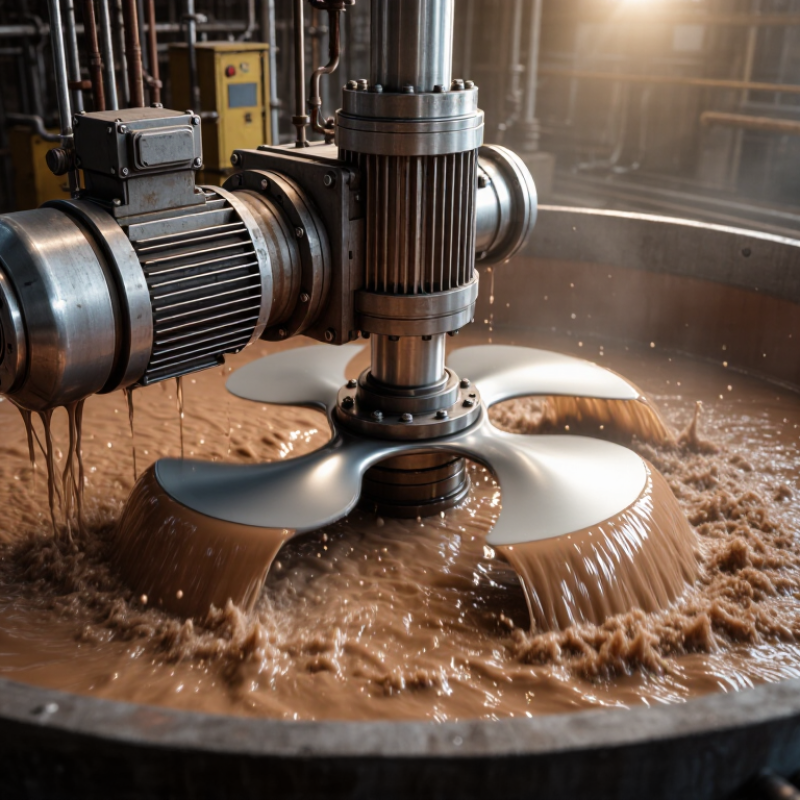
Table of Contents [Hide]
What Is a Solids Control Agitator?
A solids control agitator is a mechanical device used to keep drilling fluid moving inside a tank. It prevents drilled cuttings, barite, and other dense particles from settling on the tank bottom. Without steady circulation, solids can form thick layers that reduce useful tank volume. They may also overload pumps during sudden movement.
The equipment usually includes a motor, drive assembly, shaft, and impeller. The impeller creates controlled turbulence through the fluid. This action keeps particles suspended before separation equipment processes them. Agitator performance depends on tank shape, fluid density, viscosity, and solids concentration. A design that works well in one tank may perform poorly in another.
Good installation requires practical checks. Operators should inspect shaft alignment, guard condition, vibration, and unusual noise during operation. The fluid should move across the tank without creating dangerous splashing or dead zones. Not a magic fix. An agitator cannot correct every solids-control problem, especially when screens, pumps, or tank layouts are poorly selected. In the field, sizing is sometimes treated too simply. That deserves review. Regular observation and recorded maintenance data provide more reliable decisions than appearance alone. Safety procedures, manufacturer specifications, and applicable workplace requirements should guide operation and servicing.

© Copyright - Pro Tool & Supply - Site by SVM E-Marketing Solutions - Sitemap
- Privacy policy