- Products
- Air Compressors & Air Tools
- Climate Control
- Compaction Equipment
- Concrete Cutting Tools & Equipment
- Concrete and Masonry
- Demolition & Excavation
- Electrical & Mechanical
- Fasteners and Anchoring Adhesives
- Floor Protection
- Generators and Welders
- Hand Tools
- Heaters
- Janitorial and Office Supplies
- Jobsite Protection
- Ladders & Storage
- Lighting & Lighting Accessories
- Man Lifts
- Material Handling Equipment
- Power Tools
- Pressure Washers & Pumps
- Safety Gear
- Safety Products
- Saws
- Surface Preparation
- SEASONAL PRODUCTS
- Rentals
- Air Compressor and Air Tool Rentals
- Climate Control Rental
- Compaction Rentals
- Concrete Equipment Rentals
- Demolition & Excavation Equipment Rentals
- Concrete Floor Grinder Rentals
- General Construction Equipment Rentals
- Generator Rentals and Welder Rentals
- Heater Rentals
- Light Tower Rentals
- Man Lift Rentals in Massachusetts and Rhode Island
- Material Handling Equipment Rentals
- Pressure Washer & Pump Rentals
- Saw Rentals in New England
- SEASONAL PRODUCTS
- Products
- Air Compressors & Air Tools
- Climate Control
- Compaction Equipment
- Concrete Cutting Tools & Equipment
- Demolition & Excavation
- Electrical & Mechanical
- Floor Protection
- Generators and Welders
- Construction Heaters
- Construction Ladders, Staging, & Storage
- Construction Lighting
- Man Lifts
- Material Handling Equipment
- Industrial Janitorial and Office Supplies
- Pressure Washers & Pumps
- Construction Safety Products
- Construction Safety Gear
- Surface Preparation
- Building Protection
- Diesel Accessories
- Zero Emissions
- Rentals
- Air Compressor and Air Tool Rentals
- Climate Control Rental
- Compaction Rentals
- Concrete Equipment Rental
- Demolition & Excavation Equipment Rental
- General Construction Equipment Rental
- Generator Rentals and Welder Rentals
- Construction Heaters Rental
- Light Tower Rentals
- Man Lift Rentals
- Material Handling Equipment Rental
- Pressure Washer & Pump Rentals
- Saw Rentals in New England
- Concrete Floor Grinder Rentals
- Zero Emissions Rentals
- Repairs & Used
- Parts
- Blog
- Services
- Resources
- About Us
- Contact Us
Sales & Rental of Construction | Industrial Equipment & Supplies


Why Is My Inverter Output Voltage Low?
A low reading at the inverter’s terminals can look alarming. Yet the number alone rarely tells the whole story. Is the voltage low with no load, or only when a refrigerator starts? Does it fall at the inverter, or only at a distant outlet? These details help separate a weak battery, undersized cables, excessive load, or an inverter fault. Small clues matter. A warm cable lug, a long cable run, or a display that dips during startup can point toward the cause.
Inverter Output specialist Jordan Lee sums up a careful approach: “Measure the voltage at the inverter and at the load, under the same operating conditions.” That comparison is a practical starting point, not a diagnosis by itself. Readings depend on the inverter’s design, waveform, settings, and measurement method. A basic meter may also misread some modified-wave outputs. Check the manufacturer’s guidance before testing, and avoid opening energized equipment. Safety first.
This guide examines common reasons inverter voltage reads low and explains what each symptom may suggest. It also distinguishes normal voltage changes under load from signs that need attention. A loose connection can be easy to overlook. So can a battery that appears charged but sags under demand. The first measurement may be wrong. That deserves a second look, not a quick parts replacement. Clearly recording the load, battery condition, and test points makes troubleshooting more reliable—and helps a qualified technician assess the system when the cause remains uncertain.
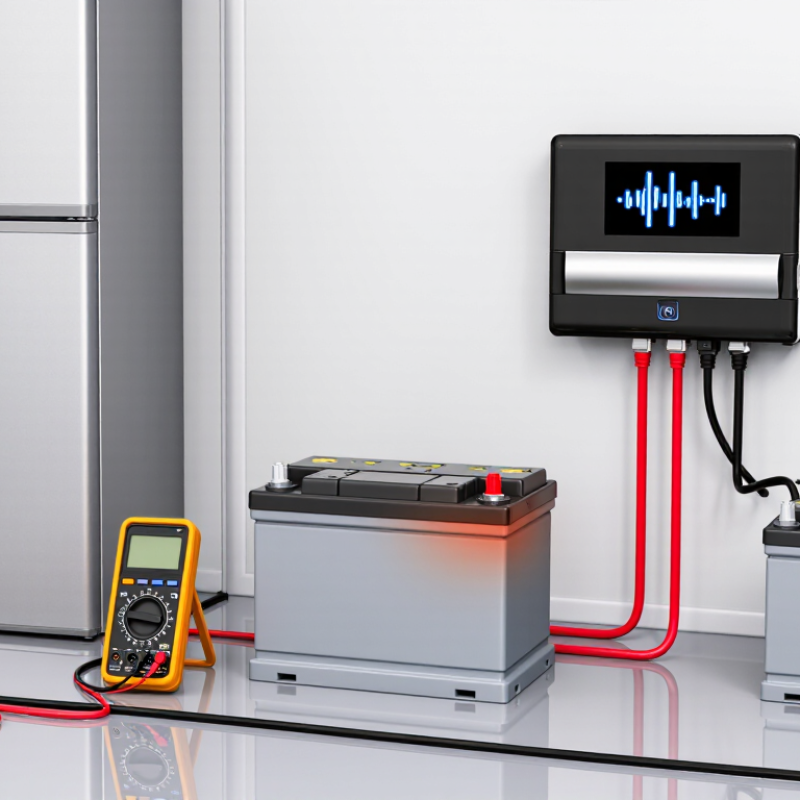
Table of Contents [Hide]
What Output Voltage an Inverter Should Produce
Why Is My Inverter Output Voltage Low?
What Output Voltage an Inverter Should Produce
An inverter should produce the AC voltage listed on its rating label or in its manual. Common nominal outputs are 120 volts at 60 hertz and 230 volts at 50 hertz, but models and settings vary. Check both values; voltage alone does not describe the full output. That matters.
A stable inverter usually stays near its rated voltage within the tolerance specified by its manufacturer. A brief dip can occur when a motor, pump, or other heavy load starts. If the voltage remains low, check the reading with a suitable meter and compare it with the inverter’s display. Some meters may read modified waveforms inaccurately. Long, thin cables or loose connections can also cause voltage to fall under load. It is easy to blame the inverter too quickly; the measurement method and wiring deserve a second look.
Tips: Compare readings with no load and with a modest load. Check cable connections, settings, and the manual’s voltage range. If the output stays outside that range, stop using connected equipment and ask a qualified technician to inspect it.

© Copyright - Pro Tool & Supply - Site by SVM E-Marketing Solutions - Sitemap
- Privacy policy