- Products
- Air Compressors & Air Tools
- Climate Control
- Compaction Equipment
- Concrete Cutting Tools & Equipment
- Concrete and Masonry
- Demolition & Excavation
- Electrical & Mechanical
- Fasteners and Anchoring Adhesives
- Floor Protection
- Generators and Welders
- Hand Tools
- Heaters
- Janitorial and Office Supplies
- Jobsite Protection
- Ladders & Storage
- Lighting & Lighting Accessories
- Man Lifts
- Material Handling Equipment
- Power Tools
- Pressure Washers & Pumps
- Safety Gear
- Safety Products
- Saws
- Surface Preparation
- SEASONAL PRODUCTS
- Rentals
- Air Compressor and Air Tool Rentals
- Climate Control Rental
- Compaction Rentals
- Concrete Equipment Rentals
- Demolition & Excavation Equipment Rentals
- Concrete Floor Grinder Rentals
- General Construction Equipment Rentals
- Generator Rentals and Welder Rentals
- Heater Rentals
- Light Tower Rentals
- Man Lift Rentals in Massachusetts and Rhode Island
- Material Handling Equipment Rentals
- Pressure Washer & Pump Rentals
- Saw Rentals in New England
- SEASONAL PRODUCTS
- Products
- Air Compressors & Air Tools
- Climate Control
- Compaction Equipment
- Concrete Cutting Tools & Equipment
- Demolition & Excavation
- Electrical & Mechanical
- Floor Protection
- Generators and Welders
- Construction Heaters
- Construction Ladders, Staging, & Storage
- Construction Lighting
- Man Lifts
- Material Handling Equipment
- Industrial Janitorial and Office Supplies
- Pressure Washers & Pumps
- Construction Safety Products
- Construction Safety Gear
- Surface Preparation
- Building Protection
- Diesel Accessories
- Zero Emissions
- Rentals
- Air Compressor and Air Tool Rentals
- Climate Control Rental
- Compaction Rentals
- Concrete Equipment Rental
- Demolition & Excavation Equipment Rental
- General Construction Equipment Rental
- Generator Rentals and Welder Rentals
- Construction Heaters Rental
- Light Tower Rentals
- Man Lift Rentals
- Material Handling Equipment Rental
- Pressure Washer & Pump Rentals
- Saw Rentals in New England
- Concrete Floor Grinder Rentals
- Zero Emissions Rentals
- Repairs & Used
- Parts
- Blog
- Services
- Resources
- About Us
- Contact Us
Sales & Rental of Construction | Industrial Equipment & Supplies


Why Is a Valve Positioner Used?
In a process plant, a control signal may call for a valve to open halfway, yet the valve does not always move there smoothly. Friction in the stem, changing air pressure, or load on the actuator can leave the actual position short of the target. A Valve Positioner helps close that gap. It compares the requested position with feedback from the valve, then adjusts actuator pressure to bring the valve closer to the setpoint. Small device. Big effect.
This article explains why a positioner is used, how it supports more accurate control, and where its limits matter. In the field, the difference can show up as steadier flow through a pipe or less hunting in a control loop. Some models also provide diagnostics, but available features vary. A positioner cannot correct every problem: a sticking valve, poor sizing, or incorrect tuning may still require attention. It is tempting to treat the instrument as a simple add-on. That can be misleading. Its performance depends on the valve, actuator, signal, and installation working together. Understanding that relationship helps engineers and technicians choose, commission, and maintain equipment with greater confidence.
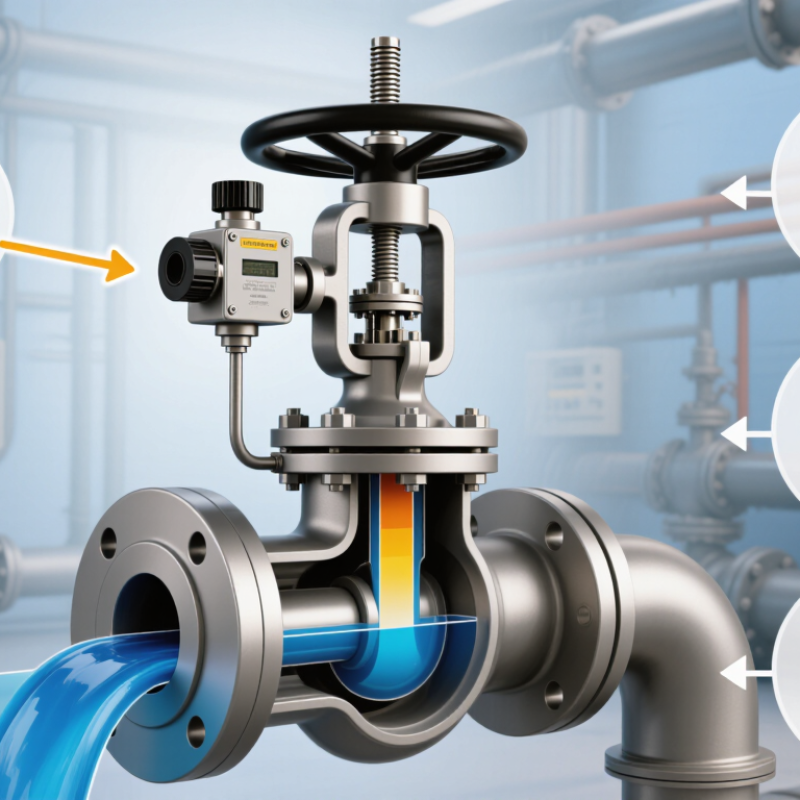
Table of Contents [Hide]
## What a Valve Positioner Does in a Control Valve Assembly
A valve positioner is the feedback link between a control signal and a valve’s actual movement. The controller requests a position; the positioner measures the stem or shaft and adjusts air to the actuator until the two agree. On a pneumatic valve, you may hear a brief hiss as the output changes. That small correction matters.
Without position feedback, friction, changing supply pressure, or actuator load can leave the valve short of its target. A positioner helps the valve follow changing commands more consistently, especially when the packing is tight or process conditions shift. It does not fix everything. A sticking stem or poorly sized valve still needs attention.
Digital models may also record travel and flag unusual behavior, depending on their features and setup. These details can help maintenance teams investigate before a control problem becomes a larger process issue. The International Energy Agency’s Energy Efficiency 2023 report estimates that industry uses about 37% of global energy. That figure is not a claim that positioners alone save energy; it shows why dependable control matters in energy-intensive operations. A positioner can improve command tracking, but its real performance depends on correct installation, calibration, and maintenance. And sometimes, the signal looks fine while the valve still tells another story.

© Copyright - Pro Tool & Supply - Site by SVM E-Marketing Solutions - Sitemap
- Privacy policy