- Products
- Air Compressors & Air Tools
- Climate Control
- Compaction Equipment
- Concrete Cutting Tools & Equipment
- Concrete and Masonry
- Demolition & Excavation
- Electrical & Mechanical
- Fasteners and Anchoring Adhesives
- Floor Protection
- Generators and Welders
- Hand Tools
- Heaters
- Janitorial and Office Supplies
- Jobsite Protection
- Ladders & Storage
- Lighting & Lighting Accessories
- Man Lifts
- Material Handling Equipment
- Power Tools
- Pressure Washers & Pumps
- Safety Gear
- Safety Products
- Saws
- Surface Preparation
- SEASONAL PRODUCTS
- Rentals
- Air Compressor and Air Tool Rentals
- Climate Control Rental
- Compaction Rentals
- Concrete Equipment Rentals
- Demolition & Excavation Equipment Rentals
- Concrete Floor Grinder Rentals
- General Construction Equipment Rentals
- Generator Rentals and Welder Rentals
- Heater Rentals
- Light Tower Rentals
- Man Lift Rentals in Massachusetts and Rhode Island
- Material Handling Equipment Rentals
- Pressure Washer & Pump Rentals
- Saw Rentals in New England
- SEASONAL PRODUCTS
- Products
- Air Compressors & Air Tools
- Climate Control
- Compaction Equipment
- Concrete Cutting Tools & Equipment
- Demolition & Excavation
- Electrical & Mechanical
- Floor Protection
- Generators and Welders
- Construction Heaters
- Construction Ladders, Staging, & Storage
- Construction Lighting
- Man Lifts
- Material Handling Equipment
- Industrial Janitorial and Office Supplies
- Pressure Washers & Pumps
- Construction Safety Products
- Construction Safety Gear
- Surface Preparation
- Building Protection
- Diesel Accessories
- Zero Emissions
- Rentals
- Air Compressor and Air Tool Rentals
- Climate Control Rental
- Compaction Rentals
- Concrete Equipment Rental
- Demolition & Excavation Equipment Rental
- General Construction Equipment Rental
- Generator Rentals and Welder Rentals
- Construction Heaters Rental
- Light Tower Rentals
- Man Lift Rentals
- Material Handling Equipment Rental
- Pressure Washer & Pump Rentals
- Saw Rentals in New England
- Concrete Floor Grinder Rentals
- Zero Emissions Rentals
- Repairs & Used
- Parts
- Blog
- Services
- Resources
- About Us
- Contact Us
Sales & Rental of Construction | Industrial Equipment & Supplies


Why Do Global Buyers Choose Track Socket?
Why do global buyers choose Track Socket when conventional outlets remain widely available? The answer often begins with flexibility. A Track Socket combines a powered ceiling track with movable electrical connection points. Buyers can reposition lamps, displays, sensors, or small appliances without opening walls. This matters in retail stores, galleries, hotels, offices, and adaptable residential spaces.
Lighting designer James Turrell observed, “Light is not so much something that reveals, as it is itself the revelation.” His insight helps explain the product’s appeal. A well-designed Track Socket system can place light exactly where activity changes. A shop can highlight a new display. A hotel can adjust lighting around furniture. An office can reduce dark corners after a layout change. The result is practical, not merely decorative.
Global buyers also examine construction quality, connector security, load capacity, grounding, heat management, and compatibility with local electrical requirements. Experienced installers check these details before discussing appearance. They also inspect rail length, socket movement, switch control, and replacement access. Small differences become visible during daily use. A loose connection is unacceptable. Difficult maintenance is expensive.
Still, Track Socket is not automatically the best solution. Poor planning can create visual clutter, uneven illumination, or unnecessary installation costs. Voltage differences and regional certification requirements also require careful review. Buyers therefore compare tested components, documented specifications, supplier experience, and after-sales support. The strongest choice is rarely the cheapest one. It is the system that remains safe, adaptable, and dependable after the room changes. That is the real reason Track Socket continues attracting professional buyers worldwide.
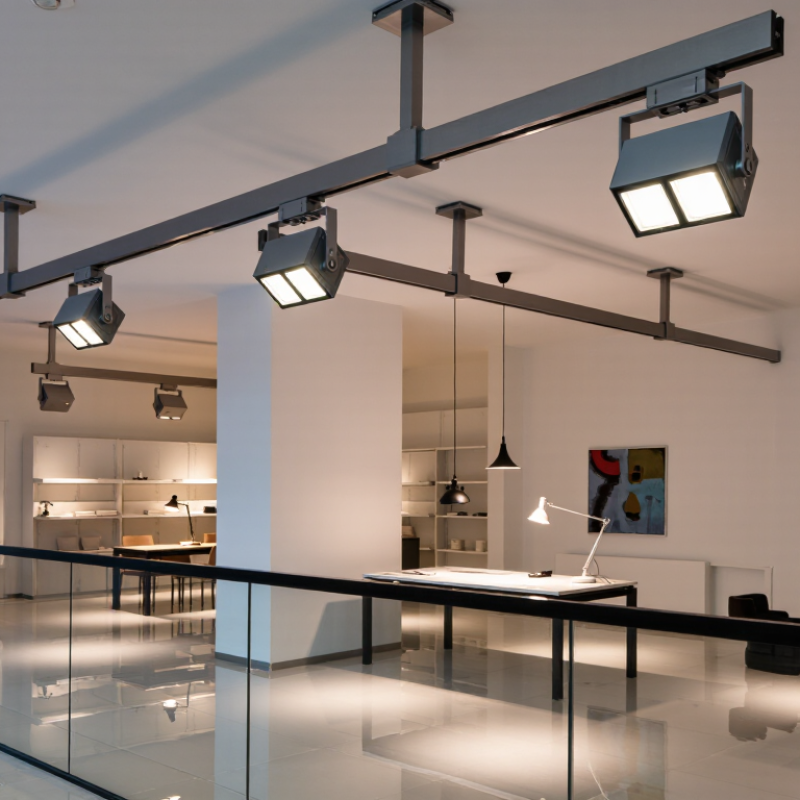
Table of Contents [Hide]
What Is a Track Socket? Understanding 1-, 2-, and 3-Circuit Systems
Why Do Global Buyers Choose Track Socket?
A track socket is a movable electrical outlet or lighting connection mounted on a powered track. It can slide to a useful position without cutting new openings in the wall. This flexibility attracts buyers fitting retail stores, offices, galleries, and flexible work areas. Yet the track and socket must match in size, voltage, grounding method, and load rating. Appearance alone is not enough.
A 1-circuit system sends power through one shared circuit. It suits simple layouts, such as a small shop with lights controlled together. A 2-circuit system separates two groups, allowing one row of lights to stay bright while another is dimmed or switched off. This can reduce unnecessary energy use during changing business hours. A 3-circuit system offers three independent control groups. It works well where display lighting, general lighting, and accent lighting need different schedules. More circuits mean more control, but they also require careful wiring and compatible accessories.
In practice, buyers should check installation instructions before ordering. Circuit labels can be confusing. Local electrical standards may also differ. A qualified electrician should verify conductor layout, grounding, insulation, and maximum load. I have seen projects focus heavily on the rail’s finish while overlooking connector compatibility. That mistake can delay installation and increase costs. The best choice is not always the system with the most circuits. It is the one that fits the space, controls, and maintenance plan.

© Copyright - Pro Tool & Supply - Site by SVM E-Marketing Solutions - Sitemap
- Privacy policy