- Products
- Air Compressors & Air Tools
- Climate Control
- Compaction Equipment
- Concrete Cutting Tools & Equipment
- Concrete and Masonry
- Demolition & Excavation
- Electrical & Mechanical
- Fasteners and Anchoring Adhesives
- Floor Protection
- Generators and Welders
- Hand Tools
- Heaters
- Janitorial and Office Supplies
- Jobsite Protection
- Ladders & Storage
- Lighting & Lighting Accessories
- Man Lifts
- Material Handling Equipment
- Power Tools
- Pressure Washers & Pumps
- Safety Gear
- Safety Products
- Saws
- Surface Preparation
- SEASONAL PRODUCTS
- Rentals
- Air Compressor and Air Tool Rentals
- Climate Control Rental
- Compaction Rentals
- Concrete Equipment Rentals
- Demolition & Excavation Equipment Rentals
- Concrete Floor Grinder Rentals
- General Construction Equipment Rentals
- Generator Rentals and Welder Rentals
- Heater Rentals
- Light Tower Rentals
- Man Lift Rentals in Massachusetts and Rhode Island
- Material Handling Equipment Rentals
- Pressure Washer & Pump Rentals
- Saw Rentals in New England
- SEASONAL PRODUCTS
- Products
- Air Compressors & Air Tools
- Climate Control
- Compaction Equipment
- Concrete Cutting Tools & Equipment
- Demolition & Excavation
- Electrical & Mechanical
- Floor Protection
- Generators and Welders
- Construction Heaters
- Construction Ladders, Staging, & Storage
- Construction Lighting
- Man Lifts
- Material Handling Equipment
- Industrial Janitorial and Office Supplies
- Pressure Washers & Pumps
- Construction Safety Products
- Construction Safety Gear
- Surface Preparation
- Building Protection
- Diesel Accessories
- Zero Emissions
- Rentals
- Air Compressor and Air Tool Rentals
- Climate Control Rental
- Compaction Rentals
- Concrete Equipment Rental
- Demolition & Excavation Equipment Rental
- General Construction Equipment Rental
- Generator Rentals and Welder Rentals
- Construction Heaters Rental
- Light Tower Rentals
- Man Lift Rentals
- Material Handling Equipment Rental
- Pressure Washer & Pump Rentals
- Saw Rentals in New England
- Concrete Floor Grinder Rentals
- Zero Emissions Rentals
- Repairs & Used
- Parts
- Blog
- Services
- Resources
- About Us
- Contact Us
Sales & Rental of Construction | Industrial Equipment & Supplies


Why Do You Need a Modbus Converter?
Modern factories rarely replace every device at once. A 20-year-old Modbus RTU meter may still measure temperature accurately, while a new PLC expects Ethernet communication. This mismatch creates delays, rewiring costs, and silent data gaps. A Modbus Converter connects these different environments, translating serial Modbus RTU or ASCII into Modbus TCP and other industrial protocols.
HMS Networks’ Industrial Network Market Shares 2024 report found that Ethernet accounted for 76% of new industrial network nodes, while traditional fieldbus still represented 24%. That remaining share matters. It includes installed sensors, drives, energy meters, and controllers that businesses cannot discard overnight. ARC Advisory Group has also repeatedly identified modernization and interoperability as major priorities in industrial automation. A converter can therefore extend existing equipment instead of forcing an expensive replacement.
As industrial networking expert John Rinaldi has stated, “A network is only useful when the data reaches the right system.” The point is practical. A converter must preserve register addresses, timing, error handling, and diagnostic visibility. One incorrect byte order can turn 230 volts into an impossible reading.
Field experience also exposes an uncomfortable truth: converters are not magic fixes. Poor grounding, outdated firmware, and unclear documentation can still stop communication. Engineers should test baud rates, parity, termination, and response times before deployment. The best Modbus Converter is not simply the cheapest device. It is the one that communicates consistently, documents its limits, and remains supportable years later. Industry reports provide direction, but site conditions decide success.
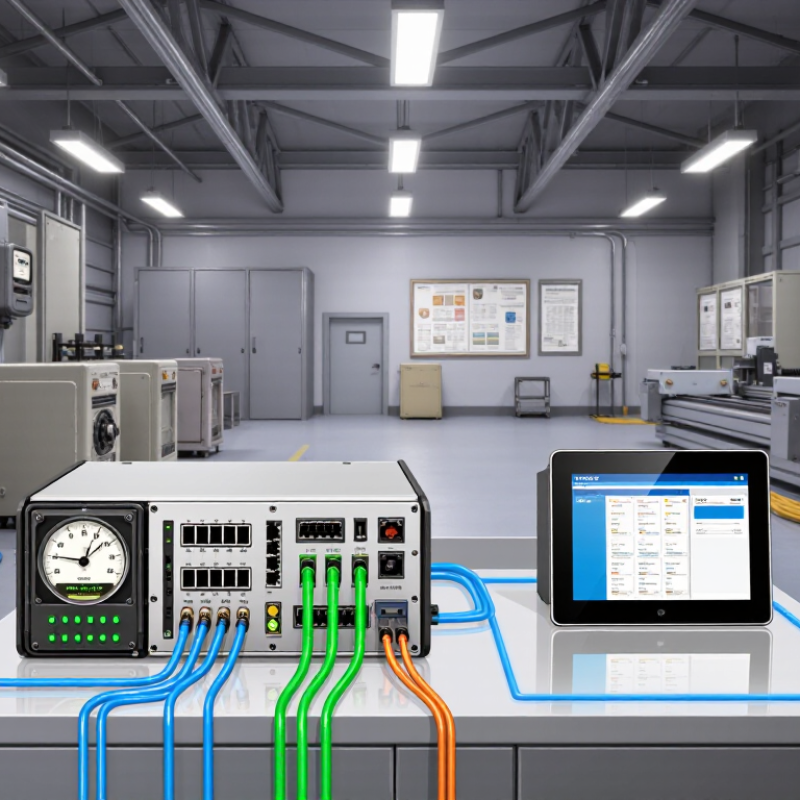
Table of Contents [Hide]
What Is a Modbus Converter?
A Modbus converter is a communication device that connects equipment using different interfaces or protocols.
It may translate Modbus RTU signals from an RS-485 network into Modbus TCP data for an Ethernet system. In the opposite direction, it can send network commands to a serial instrument. The converter does not measure temperature, pressure, or energy itself. It transfers information between systems that cannot communicate directly.
In practical commissioning, a meter may use RS-485 with a defined slave address, baud rate, parity, and stop bit. A monitoring platform may expect Ethernet packets instead. The converter manages this communication gap.
Incorrect settings can cause silent failures.
For example, one parity mismatch may leave a screen showing no data, even when the wiring appears perfect.
Not always obvious.
A dependable converter usually provides electrical isolation, stable timing, diagnostic indicators, and protection against common signal disturbances. Isolation matters when devices have different ground potentials. Clear documentation also reduces installation errors.
It is tempting to blame the converter first, but loose terminals and duplicate addresses are frequent causes. A careful technician checks wiring, termination, addressing, and software settings together.
This process is not glamorous. It is reliable.
Yet even experienced teams can overlook a single reversed RS-485 pair during a rushed installation.

© Copyright - Pro Tool & Supply - Site by SVM E-Marketing Solutions - Sitemap
- Privacy policy