- Products
- Air Compressors & Air Tools
- Climate Control
- Compaction Equipment
- Concrete Cutting Tools & Equipment
- Concrete and Masonry
- Demolition & Excavation
- Electrical & Mechanical
- Fasteners and Anchoring Adhesives
- Floor Protection
- Generators and Welders
- Hand Tools
- Heaters
- Janitorial and Office Supplies
- Jobsite Protection
- Ladders & Storage
- Lighting & Lighting Accessories
- Man Lifts
- Material Handling Equipment
- Power Tools
- Pressure Washers & Pumps
- Safety Gear
- Safety Products
- Saws
- Surface Preparation
- SEASONAL PRODUCTS
- Rentals
- Air Compressor and Air Tool Rentals
- Climate Control Rental
- Compaction Rentals
- Concrete Equipment Rentals
- Demolition & Excavation Equipment Rentals
- Concrete Floor Grinder Rentals
- General Construction Equipment Rentals
- Generator Rentals and Welder Rentals
- Heater Rentals
- Light Tower Rentals
- Man Lift Rentals in Massachusetts and Rhode Island
- Material Handling Equipment Rentals
- Pressure Washer & Pump Rentals
- Saw Rentals in New England
- SEASONAL PRODUCTS
- Products
- Air Compressors & Air Tools
- Climate Control
- Compaction Equipment
- Concrete Cutting Tools & Equipment
- Demolition & Excavation
- Electrical & Mechanical
- Floor Protection
- Generators and Welders
- Construction Heaters
- Construction Ladders, Staging, & Storage
- Construction Lighting
- Man Lifts
- Material Handling Equipment
- Industrial Janitorial and Office Supplies
- Pressure Washers & Pumps
- Construction Safety Products
- Construction Safety Gear
- Surface Preparation
- Building Protection
- Diesel Accessories
- Zero Emissions
- Rentals
- Air Compressor and Air Tool Rentals
- Climate Control Rental
- Compaction Rentals
- Concrete Equipment Rental
- Demolition & Excavation Equipment Rental
- General Construction Equipment Rental
- Generator Rentals and Welder Rentals
- Construction Heaters Rental
- Light Tower Rentals
- Man Lift Rentals
- Material Handling Equipment Rental
- Pressure Washer & Pump Rentals
- Saw Rentals in New England
- Concrete Floor Grinder Rentals
- Zero Emissions Rentals
- Repairs & Used
- Parts
- Blog
- Services
- Resources
- About Us
- Contact Us
Sales & Rental of Construction | Industrial Equipment & Supplies


Why Choose Tri Proof LED Lights for Your Project?
A workshop ceiling tells the story quickly: fine dust settles on fittings, damp air gathers near washdown areas, and lights stay on through long shifts. In these conditions, a Tri Proof Light Led can offer a practical combination of sealed construction, impact resistance, and dependable illumination. “Choose lighting for the environment people actually work in, not just for the catalogue.” This is an editorial paraphrase of lighting designer James Benya’s human-centered approach, not a verbatim quotation.
The right fitting can help reduce maintenance interruptions and keep walkways, production lines, and storage zones clearly visible. Look beyond the label. Check the ingress protection rating, operating temperature, lumen output, beam distribution, and installation details against the project’s real conditions. A sealed fixture is not automatically the best fixture. Poor placement can still leave dark patches, glare, or uneven light across a workbench.
That deserves a second look.
This guide explores where Tri Proof LED lights make sense, what specifications matter, and which trade-offs are easy to miss. A lower purchase price may look attractive, yet service life and replacement access affect the overall project. Even careful planning has limits: actual results depend on the site, fitting quality, and installation. That is worth admitting. The goal is not to promise a perfect solution, but to choose a robust light that suits the space, supports daily tasks, and can be maintained without unnecessary disruption.
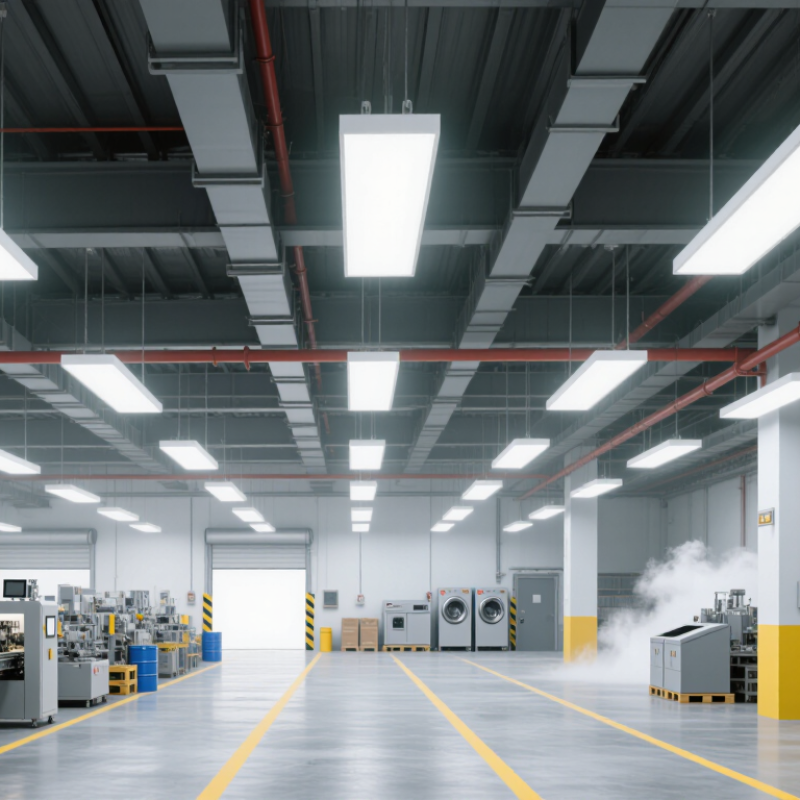
Table of Contents [Hide]
What Are Tri-Proof LED Lights?
Tri-proof LED lights are enclosed luminaires designed to resist dust, moisture, and everyday knocks. “Tri-proof” usually refers to protection against these three conditions, but it is not a universal performance rating. A sealed housing, gasketed joints, and protected cable entries help limit exposure. Inside, LED boards and drivers produce light while using less energy than many older fluorescent fixtures. However, protection levels vary. Check the published IP and impact ratings rather than relying on the product label alone.
Tips: Match the fixture’s ratings to the actual space. A washdown area needs different protection from a dry workshop. Check the operating temperature range, too. Small details matter.
For example, a garage with fine dust and occasional splashes may need a tightly sealed fitting, while a loading bay may also face bumps from equipment. Consider light output, beam spread, and mounting height so work surfaces are evenly lit. Review installation instructions and use a qualified electrician when needed. One detail is easy to overlook: a strong housing cannot compensate for poor cable sealing or unsuitable installation.

© Copyright - Pro Tool & Supply - Site by SVM E-Marketing Solutions - Sitemap
- Privacy policy