- Products
- Air Compressors & Air Tools
- Climate Control
- Compaction Equipment
- Concrete Cutting Tools & Equipment
- Concrete and Masonry
- Demolition & Excavation
- Electrical & Mechanical
- Fasteners and Anchoring Adhesives
- Floor Protection
- Generators and Welders
- Hand Tools
- Heaters
- Janitorial and Office Supplies
- Jobsite Protection
- Ladders & Storage
- Lighting & Lighting Accessories
- Man Lifts
- Material Handling Equipment
- Power Tools
- Pressure Washers & Pumps
- Safety Gear
- Safety Products
- Saws
- Surface Preparation
- SEASONAL PRODUCTS
- Rentals
- Air Compressor and Air Tool Rentals
- Climate Control Rental
- Compaction Rentals
- Concrete Equipment Rentals
- Demolition & Excavation Equipment Rentals
- Concrete Floor Grinder Rentals
- General Construction Equipment Rentals
- Generator Rentals and Welder Rentals
- Heater Rentals
- Light Tower Rentals
- Man Lift Rentals in Massachusetts and Rhode Island
- Material Handling Equipment Rentals
- Pressure Washer & Pump Rentals
- Saw Rentals in New England
- SEASONAL PRODUCTS
- Products
- Air Compressors & Air Tools
- Climate Control
- Compaction Equipment
- Concrete Cutting Tools & Equipment
- Demolition & Excavation
- Electrical & Mechanical
- Floor Protection
- Generators and Welders
- Construction Heaters
- Construction Ladders, Staging, & Storage
- Construction Lighting
- Man Lifts
- Material Handling Equipment
- Industrial Janitorial and Office Supplies
- Pressure Washers & Pumps
- Construction Safety Products
- Construction Safety Gear
- Surface Preparation
- Building Protection
- Diesel Accessories
- Zero Emissions
- Rentals
- Air Compressor and Air Tool Rentals
- Climate Control Rental
- Compaction Rentals
- Concrete Equipment Rental
- Demolition & Excavation Equipment Rental
- General Construction Equipment Rental
- Generator Rentals and Welder Rentals
- Construction Heaters Rental
- Light Tower Rentals
- Man Lift Rentals
- Material Handling Equipment Rental
- Pressure Washer & Pump Rentals
- Saw Rentals in New England
- Concrete Floor Grinder Rentals
- Zero Emissions Rentals
- Repairs & Used
- Parts
- Blog
- Services
- Resources
- About Us
- Contact Us
Sales & Rental of Construction | Industrial Equipment & Supplies


Why Choose the Right Dashboard Instrument?
Choosing the right Dashboard Instrument is about more than matching a gauge to a dashboard. It means selecting a display that gives clear, useful information under real driving conditions. Speed, engine temperature, fuel level, and warning status each serve a different purpose. A well-chosen instrument helps drivers notice changes without taking their attention from the road for long.
Start with the vehicle’s requirements and the information the driver needs most. Check compatibility, including sensor type, electrical connection, mounting space, and measurement range. A temperature gauge, for example, must work with the correct sender; otherwise, its reading may be misleading. Read the manufacturer’s specifications and installation guidance, and seek qualified help when wiring or calibration is unclear. Guesswork can create problems.
Then consider readability. Can the numbers be seen in daylight and at night? Is the scale easy to understand at a glance? A compact display may suit a crowded dashboard, while a larger dial can make key readings easier to interpret. Small details matter.
Appearance still counts, but it should not outweigh accuracy or fit. Bright lighting can look appealing in a showroom and feel distracting after dark. That trade-off deserves thought. There is no single best instrument for every vehicle or driver, and product descriptions cannot answer every practical question. Compare the specifications with the vehicle’s needs, check credible installation instructions, and consider how the display will be used each day. A careful choice supports safer monitoring and a more coherent dashboard, though even good equipment depends on correct installation and sensible attention.
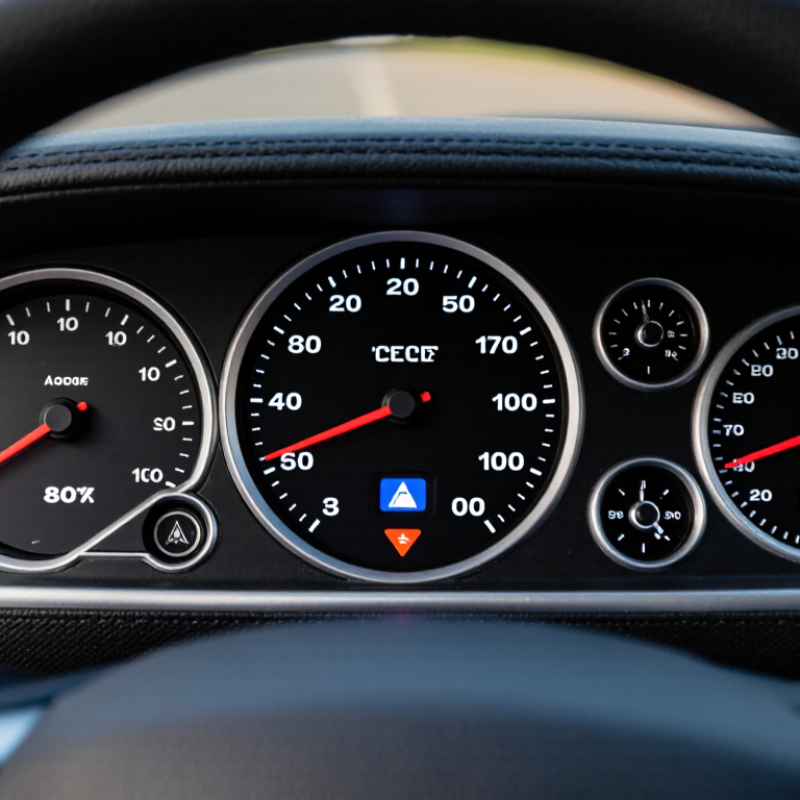
Table of Contents [Hide]
Define Dashboard Instruments and Their Role in Vehicle Operation
Dashboard instruments are the displays and warning indicators that help a driver understand a vehicle’s condition while it is moving. They commonly include a speedometer, fuel gauge, engine-temperature display, and warning lights. Small cues matter. A speedometer shows road speed, while an engine-speed gauge can help drivers avoid unnecessary strain during acceleration. The fuel gauge estimates how much fuel remains, though its reading may shift on steep slopes or during sharp turns. Temperature readings and warning lights can signal a problem that deserves attention before it becomes more serious.
These instruments support practical decisions: slowing down, refueling, or stopping safely when a warning appears. They do not diagnose every fault. A warning light may indicate a broad system issue, so the vehicle’s manual can clarify what a specific symbol means and what action is recommended. A quiet dashboard is not proof that every component is working perfectly; some faults may not trigger a visible alert. It is easy to trust a steady needle too much. Drivers should notice changes, not just glance at the display once, especially when a warning stays on or a reading moves outside its usual range.

© Copyright - Pro Tool & Supply - Site by SVM E-Marketing Solutions - Sitemap
- Privacy policy