- Products
- Air Compressors & Air Tools
- Climate Control
- Compaction Equipment
- Concrete Cutting Tools & Equipment
- Concrete and Masonry
- Demolition & Excavation
- Electrical & Mechanical
- Fasteners and Anchoring Adhesives
- Floor Protection
- Generators and Welders
- Hand Tools
- Heaters
- Janitorial and Office Supplies
- Jobsite Protection
- Ladders & Storage
- Lighting & Lighting Accessories
- Man Lifts
- Material Handling Equipment
- Power Tools
- Pressure Washers & Pumps
- Safety Gear
- Safety Products
- Saws
- Surface Preparation
- SEASONAL PRODUCTS
- Rentals
- Air Compressor and Air Tool Rentals
- Climate Control Rental
- Compaction Rentals
- Concrete Equipment Rentals
- Demolition & Excavation Equipment Rentals
- Concrete Floor Grinder Rentals
- General Construction Equipment Rentals
- Generator Rentals and Welder Rentals
- Heater Rentals
- Light Tower Rentals
- Man Lift Rentals in Massachusetts and Rhode Island
- Material Handling Equipment Rentals
- Pressure Washer & Pump Rentals
- Saw Rentals in New England
- SEASONAL PRODUCTS
- Products
- Air Compressors & Air Tools
- Climate Control
- Compaction Equipment
- Concrete Cutting Tools & Equipment
- Demolition & Excavation
- Electrical & Mechanical
- Floor Protection
- Generators and Welders
- Construction Heaters
- Construction Ladders, Staging, & Storage
- Construction Lighting
- Man Lifts
- Material Handling Equipment
- Industrial Janitorial and Office Supplies
- Pressure Washers & Pumps
- Construction Safety Products
- Construction Safety Gear
- Surface Preparation
- Building Protection
- Diesel Accessories
- Zero Emissions
- Rentals
- Air Compressor and Air Tool Rentals
- Climate Control Rental
- Compaction Rentals
- Concrete Equipment Rental
- Demolition & Excavation Equipment Rental
- General Construction Equipment Rental
- Generator Rentals and Welder Rentals
- Construction Heaters Rental
- Light Tower Rentals
- Man Lift Rentals
- Material Handling Equipment Rental
- Pressure Washer & Pump Rentals
- Saw Rentals in New England
- Concrete Floor Grinder Rentals
- Zero Emissions Rentals
- Repairs & Used
- Parts
- Blog
- Services
- Resources
- About Us
- Contact Us
Sales & Rental of Construction | Industrial Equipment & Supplies

Why Choose Ion Exchange Membrane Equipment?
Choosing Ion Exchange Membrane Equipment requires more than comparing purchase prices. It demands a clear understanding of water chemistry, operating conditions, and long-term maintenance. These systems use selective membranes and an electric field to move ions through a controlled separation process. The result can be cleaner water, concentrated salts, or recovered acids and bases.
The technology fits several industrial settings. It supports desalination, metal finishing, chemical production, and wastewater treatment. In a properly designed electrodialysis unit, operators can monitor conductivity, voltage, flow rate, and pressure. These measurements reveal whether the process is stable. They also help identify scaling, membrane fouling, or unusual feed contamination before performance declines. Practical experience matters here. A membrane that performs well in laboratory water may behave differently beside a factory drain.
There is no universal solution. Membrane selection, pretreatment, and cleaning schedules strongly influence reliability. Poorly controlled hardness can leave visible deposits on membrane surfaces. High organic loading may reduce ion transport and increase maintenance time. Engineers should review pilot data, supplier documentation, energy consumption, and replacement costs before approval. Independent testing can strengthen that decision.
Ion Exchange Membrane Equipment can improve resource efficiency when matched to the right process. It may reduce chemical handling and support water reuse. However, these benefits depend on disciplined operation and honest performance evaluation. Some projects need more pretreatment than expected. That is worth admitting. A dependable system is not simply efficient on paper; it remains measurable, serviceable, and safe throughout daily industrial use.
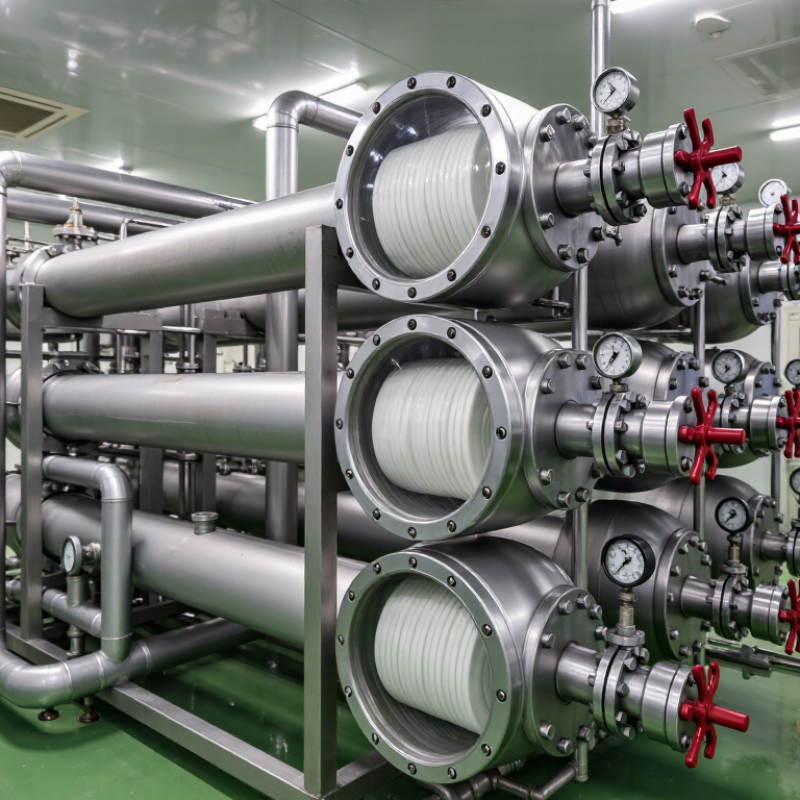
Table of Contents [Hide]
What Is Ion Exchange Membrane Equipment?
Why Choose Ion Exchange Membrane Equipment?
Ion exchange membrane equipment is an electrochemical system that separates ions through selective membranes. These membranes allow certain charged particles to pass while blocking others. An applied electric field drives the separation process. The equipment may support desalination, wastewater treatment, acid recovery, or chemical concentration.
Inside a typical unit, alternating membranes form narrow flow channels. Feed water moves through these channels continuously. Cations and anions travel toward opposite electrodes. Selective membranes guide their movement into separate streams. Operators monitor conductivity, pressure, temperature, and electrical current. These details reveal whether the process is stable. In practical facilities, membrane fouling can reduce performance before problems become obvious. Cleaning schedules must match the water chemistry, not a convenient calendar.
No system is perfect.
Tips: Test the feed water before selecting membranes. Check hardness, suspended solids, organic matter, and temperature. Keep accurate operating records. Small changes in conductivity may signal scaling or membrane damage. Use trained technicians for inspections and maintenance.
Choosing this equipment can reduce chemical consumption and create a controllable separation process. It may also improve resource recovery when streams are properly designed. However, performance depends on pretreatment, membrane selection, flow balance, and regular maintenance. A poorly prepared feed can shorten membrane life quickly. That part is easy to underestimate. Reliable decisions should combine pilot testing, technical data, and site-specific operating experience.

© Copyright - Pro Tool & Supply - Site by SVM E-Marketing Solutions - Sitemap
- Privacy policy