- Products
- Air Compressors & Air Tools
- Climate Control
- Compaction Equipment
- Concrete Cutting Tools & Equipment
- Concrete and Masonry
- Demolition & Excavation
- Electrical & Mechanical
- Fasteners and Anchoring Adhesives
- Floor Protection
- Generators and Welders
- Hand Tools
- Heaters
- Janitorial and Office Supplies
- Jobsite Protection
- Ladders & Storage
- Lighting & Lighting Accessories
- Man Lifts
- Material Handling Equipment
- Power Tools
- Pressure Washers & Pumps
- Safety Gear
- Safety Products
- Saws
- Surface Preparation
- SEASONAL PRODUCTS
- Rentals
- Air Compressor and Air Tool Rentals
- Climate Control Rental
- Compaction Rentals
- Concrete Equipment Rentals
- Demolition & Excavation Equipment Rentals
- Concrete Floor Grinder Rentals
- General Construction Equipment Rentals
- Generator Rentals and Welder Rentals
- Heater Rentals
- Light Tower Rentals
- Man Lift Rentals in Massachusetts and Rhode Island
- Material Handling Equipment Rentals
- Pressure Washer & Pump Rentals
- Saw Rentals in New England
- SEASONAL PRODUCTS
- Products
- Air Compressors & Air Tools
- Climate Control
- Compaction Equipment
- Concrete Cutting Tools & Equipment
- Demolition & Excavation
- Electrical & Mechanical
- Floor Protection
- Generators and Welders
- Construction Heaters
- Construction Ladders, Staging, & Storage
- Construction Lighting
- Man Lifts
- Material Handling Equipment
- Industrial Janitorial and Office Supplies
- Pressure Washers & Pumps
- Construction Safety Products
- Construction Safety Gear
- Surface Preparation
- Building Protection
- Diesel Accessories
- Zero Emissions
- Rentals
- Air Compressor and Air Tool Rentals
- Climate Control Rental
- Compaction Rentals
- Concrete Equipment Rental
- Demolition & Excavation Equipment Rental
- General Construction Equipment Rental
- Generator Rentals and Welder Rentals
- Construction Heaters Rental
- Light Tower Rentals
- Man Lift Rentals
- Material Handling Equipment Rental
- Pressure Washer & Pump Rentals
- Saw Rentals in New England
- Concrete Floor Grinder Rentals
- Zero Emissions Rentals
- Repairs & Used
- Parts
- Blog
- Services
- Resources
- About Us
- Contact Us
Sales & Rental of Construction | Industrial Equipment & Supplies


Why Choose a Fuse Holder for Electrical Protection?
Why Choose a Fuse Holder for Electrical Protection?
Electrical protection is not only about selecting the correct fuse. It also depends on how securely that fuse is installed, cooled, accessed, and replaced. A Fuse Holder provides a stable connection between the fuse and the circuit. It can reduce loose-contact risks, support safer maintenance, and help prevent heat from building around the terminals. Small details matter. A discolored clip or weak spring can signal trouble before failure becomes visible elsewhere.
Industry reports support the need for dependable circuit protection. Grand View Research’s Electrical Fuses Market analysis identifies sustained demand from automotive, industrial, renewable-energy, and electronics applications. MarketsandMarkets also reports continued growth in the wider circuit-protection market, driven by electrification and increasingly compact equipment. These trends create tighter thermal and space limits. They also make holder selection less forgiving.
Michael K. Schaefer, a Littelfuse application engineer, explains, “A fuse is only as effective as the holder that keeps it cool, connected, and serviceable.” That practical view deserves attention. A Fuse Holder should match the fuse type, rated current, voltage, interrupting conditions, and installation environment. UL 4248 and relevant IEC requirements provide useful evaluation points, but compliance alone does not guarantee a perfect installation. Real experience still matters. A holder may look robust, yet perform poorly under vibration, moisture, or repeated servicing. Choosing well means examining the entire protection path, not just the fuse label.
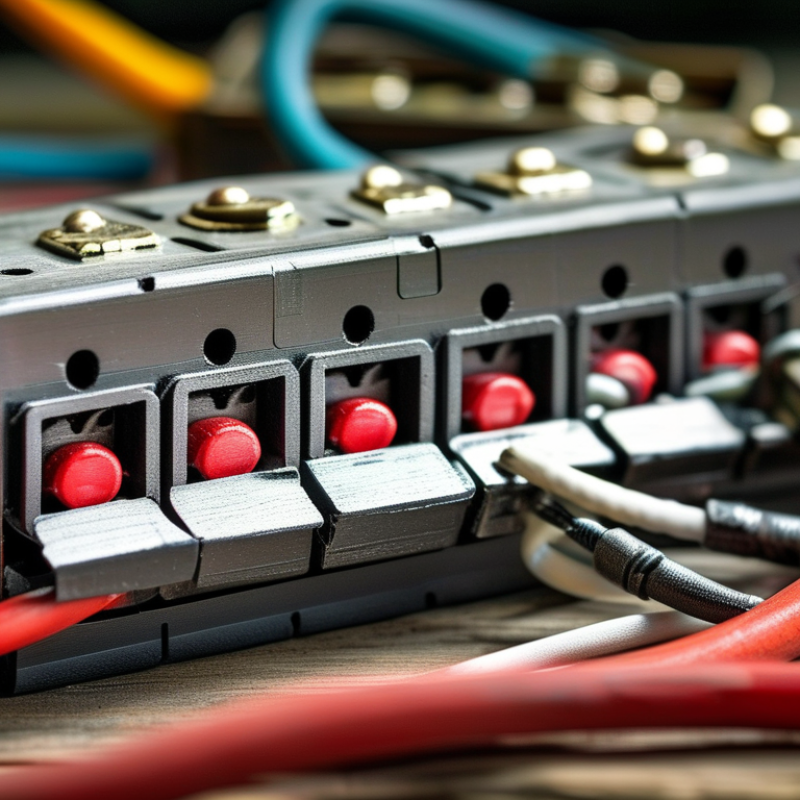
Table of Contents [Hide]
What Is a Fuse Holder and How Does It Work?
A fuse holder is the insulated device that supports a fuse and connects it to an electrical circuit. It keeps the fuse stable, protected, and replaceable. The holder does not limit current by itself. The fuse does that work. When current rises above the fuse rating, its metal element heats and melts. The circuit opens before excessive heat damages wiring or equipment.
This small component matters in real installations. The National Fire Protection Association reported an average of 32,680 U.S. home fires involving electrical distribution and lighting equipment each year from 2015 to 2019. A correctly selected fuse holder helps contain faults and supports safer maintenance. It must match the fuse type, voltage, current, interrupting rating, and operating temperature. A holder can be correctly rated yet poorly installed. That is where many practical problems begin.
Tips: Check terminal tightness during maintenance. Look for discoloration, cracked plastic, or heat marks. Use a holder designed for the exact fuse size. Never replace a blown fuse with a higher-rated one. IEC 60269 guidance also emphasizes coordination between fuse characteristics and circuit protection. Still, protection is not foolproof. Moisture, vibration, loose connections, and repeated overloads can reduce reliability. In my experience, the holder is often overlooked because it looks passive. It is not. Its contact pressure and insulation condition directly affect circuit safety.

© Copyright - Pro Tool & Supply - Site by SVM E-Marketing Solutions - Sitemap
- Privacy policy