- Products
- Air Compressors & Air Tools
- Climate Control
- Compaction Equipment
- Concrete Cutting Tools & Equipment
- Concrete and Masonry
- Demolition & Excavation
- Electrical & Mechanical
- Fasteners and Anchoring Adhesives
- Floor Protection
- Generators and Welders
- Hand Tools
- Heaters
- Janitorial and Office Supplies
- Jobsite Protection
- Ladders & Storage
- Lighting & Lighting Accessories
- Man Lifts
- Material Handling Equipment
- Power Tools
- Pressure Washers & Pumps
- Safety Gear
- Safety Products
- Saws
- Surface Preparation
- SEASONAL PRODUCTS
- Rentals
- Air Compressor and Air Tool Rentals
- Climate Control Rental
- Compaction Rentals
- Concrete Equipment Rentals
- Demolition & Excavation Equipment Rentals
- Concrete Floor Grinder Rentals
- General Construction Equipment Rentals
- Generator Rentals and Welder Rentals
- Heater Rentals
- Light Tower Rentals
- Man Lift Rentals in Massachusetts and Rhode Island
- Material Handling Equipment Rentals
- Pressure Washer & Pump Rentals
- Saw Rentals in New England
- SEASONAL PRODUCTS
- Products
- Air Compressors & Air Tools
- Climate Control
- Compaction Equipment
- Concrete Cutting Tools & Equipment
- Demolition & Excavation
- Electrical & Mechanical
- Floor Protection
- Generators and Welders
- Construction Heaters
- Construction Ladders, Staging, & Storage
- Construction Lighting
- Man Lifts
- Material Handling Equipment
- Industrial Janitorial and Office Supplies
- Pressure Washers & Pumps
- Construction Safety Products
- Construction Safety Gear
- Surface Preparation
- Building Protection
- Diesel Accessories
- Zero Emissions
- Rentals
- Air Compressor and Air Tool Rentals
- Climate Control Rental
- Compaction Rentals
- Concrete Equipment Rental
- Demolition & Excavation Equipment Rental
- General Construction Equipment Rental
- Generator Rentals and Welder Rentals
- Construction Heaters Rental
- Light Tower Rentals
- Man Lift Rentals
- Material Handling Equipment Rental
- Pressure Washer & Pump Rentals
- Saw Rentals in New England
- Concrete Floor Grinder Rentals
- Zero Emissions Rentals
- Repairs & Used
- Parts
- Blog
- Services
- Resources
- About Us
- Contact Us
Sales & Rental of Construction | Industrial Equipment & Supplies


Why Choose an Electromagnetic Device for Industrial Use?
Choosing an Electromagnetic Device for industrial use is a decision about control, safety, and long-term performance. These devices convert electrical energy into precise motion, force, sensing, or switching. They operate inside conveyor systems, robotic arms, lifting equipment, pumps, and automated production lines. A suitable unit can deliver repeatable movement while reducing mechanical wear and maintenance interruptions. The wrong choice can produce heat, noise, vibration, and unexpected downtime.
Michael Faraday once wrote, “Nothing is too wonderful to be true, if it be consistent with the laws of nature.” His observation still guides electromagnetic engineering. A modern Electromagnetic Device must respect measurable limits. Engineers review voltage, current, duty cycle, magnetic force, temperature rise, enclosure protection, and response time. They also examine installation conditions. Dust, moisture, steel structures, and nearby motors can affect performance. Small details matter.
Real experience often reveals what a data sheet misses. A technician may find a coil running hotter than expected after eight hours. A sensor may lose accuracy beside a powerful motor. Testing under actual load is essential. Compliance with applicable industrial standards should also be verified by qualified professionals. Reliable suppliers provide traceable test results, clear specifications, and replacement guidance. Still, no device is perfect. Efficiency may decline with age. Noise may remain higher than expected. Engineers should record these limitations rather than hide them. Careful selection creates a safer, more predictable industrial system.
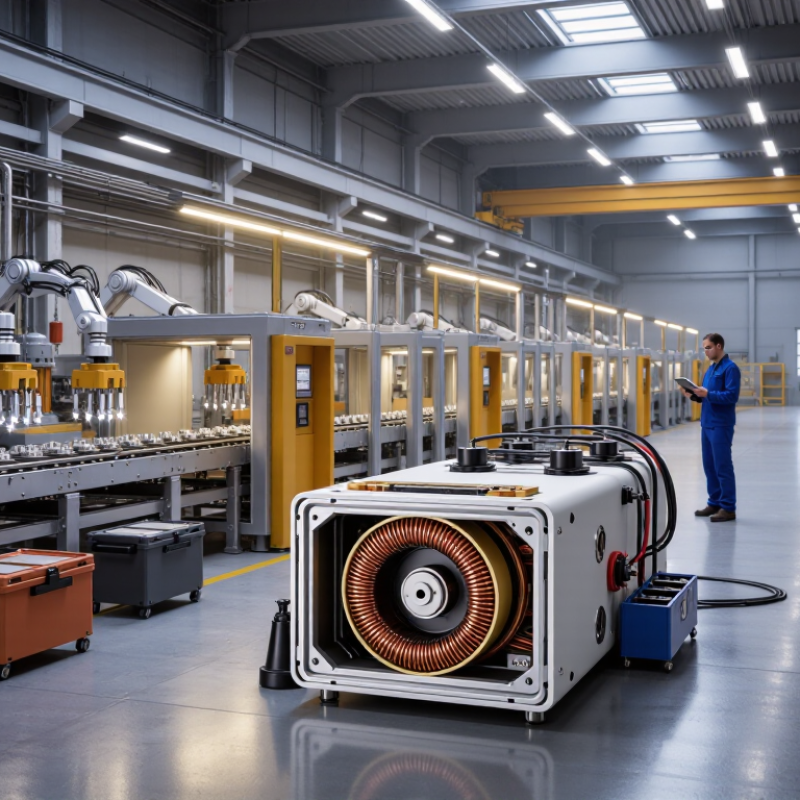
Table of Contents [Hide]
What Is an Electromagnetic Device?
Why Choose an Electromagnetic Device for Industrial Use?
What Is an Electromagnetic Device?
An electromagnetic device uses electricity to create or control magnetic force. This force can move, hold, switch, lift, or regulate mechanical parts. Common examples include solenoids, relays, magnetic brakes, lifting magnets, and contactors.
Inside a solenoid, an energized coil produces a magnetic field. The field pulls a metal plunger through a short, controlled distance. In a factory, this action may open a valve, lock a guard, or activate a machine cycle. Relays use the same principle to control one circuit with another. This separation can improve operational safety and simplify control systems.
Industrial users value these devices because they offer fast response and repeatable movement. They also fit many demanding environments. However, performance depends on voltage stability, heat control, alignment, and correct sizing. I have seen small installation details matter more than expected. A loose connection can create heat, noise, and unreliable switching. No device is perfect.
Tips: Check the rated voltage before installation. Keep coils within their approved temperature range. Inspect terminals for discoloration or looseness. Protect the device from dust, moisture, and excessive vibration when necessary. A simple maintenance record can reveal gradual changes before they cause downtime. When selecting a unit, review its force, duty cycle, response time, and enclosure rating with a qualified engineer.

© Copyright - Pro Tool & Supply - Site by SVM E-Marketing Solutions - Sitemap
- Privacy policy