- Products
- Air Compressors & Air Tools
- Climate Control
- Compaction Equipment
- Concrete Cutting Tools & Equipment
- Concrete and Masonry
- Demolition & Excavation
- Electrical & Mechanical
- Fasteners and Anchoring Adhesives
- Floor Protection
- Generators and Welders
- Hand Tools
- Heaters
- Janitorial and Office Supplies
- Jobsite Protection
- Ladders & Storage
- Lighting & Lighting Accessories
- Man Lifts
- Material Handling Equipment
- Power Tools
- Pressure Washers & Pumps
- Safety Gear
- Safety Products
- Saws
- Surface Preparation
- SEASONAL PRODUCTS
- Rentals
- Air Compressor and Air Tool Rentals
- Climate Control Rental
- Compaction Rentals
- Concrete Equipment Rentals
- Demolition & Excavation Equipment Rentals
- Concrete Floor Grinder Rentals
- General Construction Equipment Rentals
- Generator Rentals and Welder Rentals
- Heater Rentals
- Light Tower Rentals
- Man Lift Rentals in Massachusetts and Rhode Island
- Material Handling Equipment Rentals
- Pressure Washer & Pump Rentals
- Saw Rentals in New England
- SEASONAL PRODUCTS
- Products
- Air Compressors & Air Tools
- Climate Control
- Compaction Equipment
- Concrete Cutting Tools & Equipment
- Demolition & Excavation
- Electrical & Mechanical
- Floor Protection
- Generators and Welders
- Construction Heaters
- Construction Ladders, Staging, & Storage
- Construction Lighting
- Man Lifts
- Material Handling Equipment
- Industrial Janitorial and Office Supplies
- Pressure Washers & Pumps
- Construction Safety Products
- Construction Safety Gear
- Surface Preparation
- Building Protection
- Diesel Accessories
- Zero Emissions
- Rentals
- Air Compressor and Air Tool Rentals
- Climate Control Rental
- Compaction Rentals
- Concrete Equipment Rental
- Demolition & Excavation Equipment Rental
- General Construction Equipment Rental
- Generator Rentals and Welder Rentals
- Construction Heaters Rental
- Light Tower Rentals
- Man Lift Rentals
- Material Handling Equipment Rental
- Pressure Washer & Pump Rentals
- Saw Rentals in New England
- Concrete Floor Grinder Rentals
- Zero Emissions Rentals
- Repairs & Used
- Parts
- Blog
- Services
- Resources
- About Us
- Contact Us
Sales & Rental of Construction | Industrial Equipment & Supplies


Why Choose Compound Steel Grating?
Compound Steel Grating combines a load-bearing steel grating panel with a solid or patterned plate attached to its surface. The open bars support airflow and drainage, while the plate creates a more continuous walking or working surface. This practical combination can suit platforms, stair landings, walkways, and equipment areas where both strength and surface coverage matter.
Picture a maintenance platform above a factory floor. Water can pass through the grating openings, while tools and small components are less likely to drop through the covered sections. The plate may also make movement easier for workers carrying equipment. Small details matter. Plate thickness, bar spacing, panel size, and connection methods all affect how the product performs. A qualified designer should check expected loads, support spans, and site conditions before specifying it.
The benefits are not automatic. A solid plate can retain dirt or water, and coatings may need attention in corrosive environments. Added material can also increase panel weight and installation demands. These trade-offs are easy to overlook. Compound Steel Grating is most useful when its open and covered areas match the actual task, rather than being chosen by name alone. The sections ahead explore its construction, advantages, limitations, and selection factors, helping readers assess whether it fits a particular project. A careful specification makes the difference between a sturdy surface and an avoidable maintenance problem.
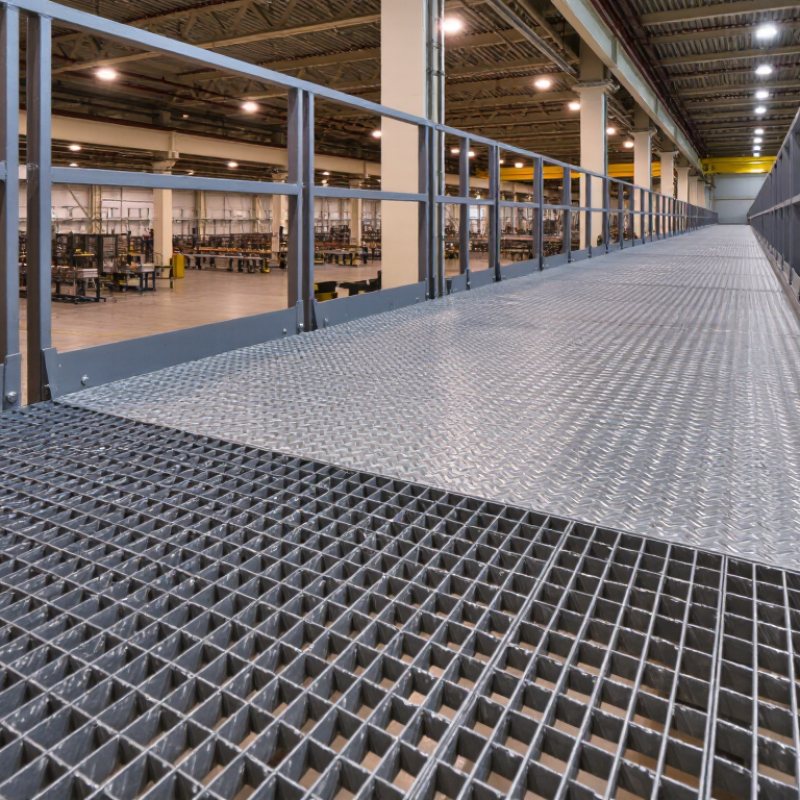
Table of Contents [Hide]
What Is Compound Steel Grating?
Compound steel grating is a composite floor or walkway panel. It typically joins load-bearing steel bar grating with a solid steel plate, often a raised-pattern plate. The bars carry structural loads; the plate creates a more continuous walking surface and can help limit dropped tools or debris. Details vary by manufacturer and project, so “compound” does not describe one universal construction.
The distinction is visible underfoot. Open grating leaves gaps between bearing bars, while the attached plate covers much of the surface. That can be useful on platforms where small objects or frequent foot traffic are concerns. But the plate also adds weight and may affect drainage, ventilation, and handling. Not always an upgrade. Engineers should check panel span, support spacing, loads, connections, and surface conditions against the project requirements. NAAMM’s Metal Bar Grating Manual, MBG 531, provides industry guidance for bar-grating design and specification.
The broader material context is substantial: World Steel Association reported 1,892.0 million tonnes of crude steel production worldwide in 2023, in its World Steel in Figures 2024 publication. That figure describes the steel industry, not compound grating specifically. It is useful context, but it cannot establish a panel’s capacity. I would not choose a panel from appearance alone; confirm its documented load data and intended use. A neat surface can still hide a poor support detail.

© Copyright - Pro Tool & Supply - Site by SVM E-Marketing Solutions - Sitemap
- Privacy policy