- Products
- Air Compressors & Air Tools
- Climate Control
- Compaction Equipment
- Concrete Cutting Tools & Equipment
- Concrete and Masonry
- Demolition & Excavation
- Electrical & Mechanical
- Fasteners and Anchoring Adhesives
- Floor Protection
- Generators and Welders
- Hand Tools
- Heaters
- Janitorial and Office Supplies
- Jobsite Protection
- Ladders & Storage
- Lighting & Lighting Accessories
- Man Lifts
- Material Handling Equipment
- Power Tools
- Pressure Washers & Pumps
- Safety Gear
- Safety Products
- Saws
- Surface Preparation
- SEASONAL PRODUCTS
- Rentals
- Air Compressor and Air Tool Rentals
- Climate Control Rental
- Compaction Rentals
- Concrete Equipment Rentals
- Demolition & Excavation Equipment Rentals
- Concrete Floor Grinder Rentals
- General Construction Equipment Rentals
- Generator Rentals and Welder Rentals
- Heater Rentals
- Light Tower Rentals
- Man Lift Rentals in Massachusetts and Rhode Island
- Material Handling Equipment Rentals
- Pressure Washer & Pump Rentals
- Saw Rentals in New England
- SEASONAL PRODUCTS
- Products
- Air Compressors & Air Tools
- Climate Control
- Compaction Equipment
- Concrete Cutting Tools & Equipment
- Demolition & Excavation
- Electrical & Mechanical
- Floor Protection
- Generators and Welders
- Construction Heaters
- Construction Ladders, Staging, & Storage
- Construction Lighting
- Man Lifts
- Material Handling Equipment
- Industrial Janitorial and Office Supplies
- Pressure Washers & Pumps
- Construction Safety Products
- Construction Safety Gear
- Surface Preparation
- Building Protection
- Diesel Accessories
- Zero Emissions
- Rentals
- Air Compressor and Air Tool Rentals
- Climate Control Rental
- Compaction Rentals
- Concrete Equipment Rental
- Demolition & Excavation Equipment Rental
- General Construction Equipment Rental
- Generator Rentals and Welder Rentals
- Construction Heaters Rental
- Light Tower Rentals
- Man Lift Rentals
- Material Handling Equipment Rental
- Pressure Washer & Pump Rentals
- Saw Rentals in New England
- Concrete Floor Grinder Rentals
- Zero Emissions Rentals
- Repairs & Used
- Parts
- Blog
- Services
- Resources
- About Us
- Contact Us
Sales & Rental of Construction | Industrial Equipment & Supplies

Why Choose A101vw01 V.3 for Global Sourcing?
Global sourcing now depends on more than unit price. Buyers must evaluate continuity, technical fit, documentation, and delivery risk together. UNCTAD’s Review of Maritime Transport reports that ships carry over 80% of global merchandise trade by volume. A delayed component can therefore affect production far beyond its original factory.
A101vw01 V.3 deserves attention as a potential display sourcing option for equipment makers, distributors, and repair specialists. Its value is not simply the model number. Buyers should confirm screen size, resolution, interface type, brightness, viewing angle, connector position, and power requirements against the latest manufacturer datasheet. Small differences matter. A connector placed two millimeters away can require a costly redesign.
The global display market also rewards disciplined purchasing. Omdia’s display industry research continues to track volatile panel demand, capacity changes, and pricing pressure across Asian manufacturing hubs. That context makes supplier verification essential. Request lot photographs, electrical test records, production dates, and sample approval before placing volume orders. Keep a second qualified source where possible.
There is no perfect sourcing decision.
A101vw01 V.3 may offer useful compatibility and supply flexibility, but its suitability depends on the application. Older revisions, aftermarket labels, and incomplete specifications can create avoidable risk. The International Trade Centre and national customs authorities provide reliable classification and trade information, yet buyers remain responsible for checking current import, safety, and product requirements. A careful comparison should examine total landed cost, not only the quoted panel price. Freight, inspection, warranty handling, and minimum order quantities can quietly change the result. This article examines those practical factors for a more informed global sourcing decision.
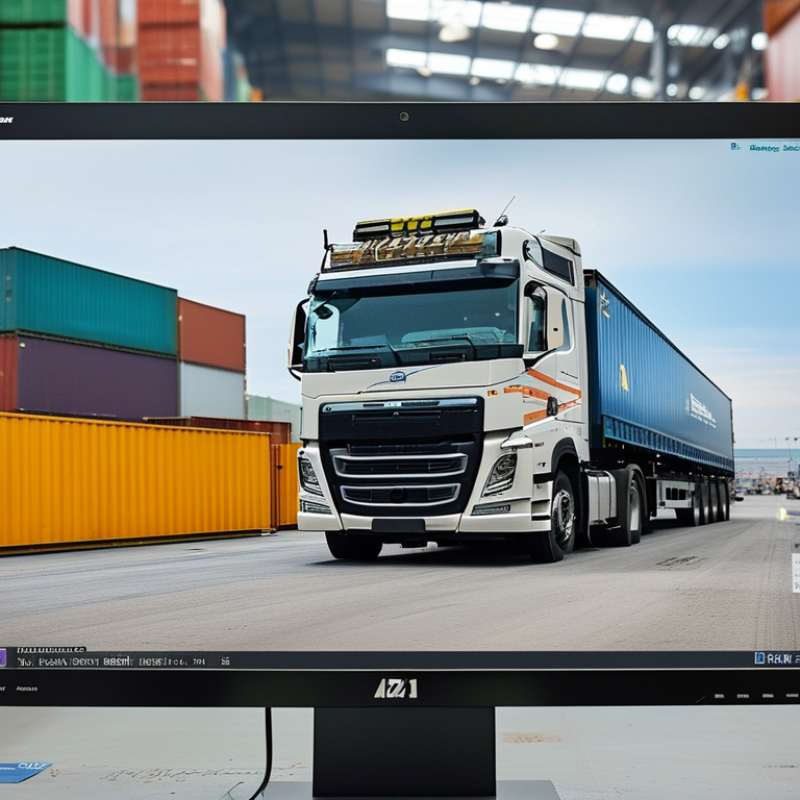
Table of Contents [Hide]
A101vw01 V.3: Product Overview and Core Specifications
Why Choose A101vw01 V.3 for Global Sourcing?
A101vw01 V.3: Product Overview and Core Specifications
A101vw01 V.3 is a 10.1-inch TFT LCD panel for compact equipment and control interfaces. Its 1280 × 800 resolution provides a practical 16:10 working area. Text remains readable, while dashboards have room for charts and status icons. The panel typically uses an LVDS interface and supports 16.7 million colors. Its brightness, contrast, viewing angle, and connector layout should be confirmed against the latest lot specification. Small revisions can affect system integration.
Omdia’s 2024 Display Long-Term Demand Forecast shows LCD technology still dominates display shipments by area. That matters for sourcing because LCD supply remains broad and replacement options are easier to evaluate. UNCTAD’s Review of Maritime Transport 2024 also notes that about 80% of global merchandise trade moves by sea. A compact, standardized panel can therefore reduce packaging space and simplify international replenishment. However, I would not promise universal drop-in compatibility. Mechanical depth, cable orientation, touch-layer thickness, and operating temperature may still create delays. This is where practical testing matters.
Tips: Request a current datasheet, connector drawing, sample photos, and three tested samples. Check brightness after warm-up. Test the panel inside its final enclosure, not only on a bench. Keep a second-source plan. It may feel unnecessary, but older display revisions can disappear quietly.

© Copyright - Pro Tool & Supply - Site by SVM E-Marketing Solutions - Sitemap
- Privacy policy