- Products
- Air Compressors & Air Tools
- Climate Control
- Compaction Equipment
- Concrete Cutting Tools & Equipment
- Concrete and Masonry
- Demolition & Excavation
- Electrical & Mechanical
- Fasteners and Anchoring Adhesives
- Floor Protection
- Generators and Welders
- Hand Tools
- Heaters
- Janitorial and Office Supplies
- Jobsite Protection
- Ladders & Storage
- Lighting & Lighting Accessories
- Man Lifts
- Material Handling Equipment
- Power Tools
- Pressure Washers & Pumps
- Safety Gear
- Safety Products
- Saws
- Surface Preparation
- SEASONAL PRODUCTS
- Rentals
- Air Compressor and Air Tool Rentals
- Climate Control Rental
- Compaction Rentals
- Concrete Equipment Rentals
- Demolition & Excavation Equipment Rentals
- Concrete Floor Grinder Rentals
- General Construction Equipment Rentals
- Generator Rentals and Welder Rentals
- Heater Rentals
- Light Tower Rentals
- Man Lift Rentals in Massachusetts and Rhode Island
- Material Handling Equipment Rentals
- Pressure Washer & Pump Rentals
- Saw Rentals in New England
- SEASONAL PRODUCTS
- Products
- Air Compressors & Air Tools
- Climate Control
- Compaction Equipment
- Concrete Cutting Tools & Equipment
- Demolition & Excavation
- Electrical & Mechanical
- Floor Protection
- Generators and Welders
- Construction Heaters
- Construction Ladders, Staging, & Storage
- Construction Lighting
- Man Lifts
- Material Handling Equipment
- Industrial Janitorial and Office Supplies
- Pressure Washers & Pumps
- Construction Safety Products
- Construction Safety Gear
- Surface Preparation
- Building Protection
- Diesel Accessories
- Zero Emissions
- Rentals
- Air Compressor and Air Tool Rentals
- Climate Control Rental
- Compaction Rentals
- Concrete Equipment Rental
- Demolition & Excavation Equipment Rental
- General Construction Equipment Rental
- Generator Rentals and Welder Rentals
- Construction Heaters Rental
- Light Tower Rentals
- Man Lift Rentals
- Material Handling Equipment Rental
- Pressure Washer & Pump Rentals
- Saw Rentals in New England
- Concrete Floor Grinder Rentals
- Zero Emissions Rentals
- Repairs & Used
- Parts
- Blog
- Services
- Resources
- About Us
- Contact Us
Sales & Rental of Construction | Industrial Equipment & Supplies


Why Choose 430 Stainless Steel Strips for Your Projects?
When selecting materials for projects, many engineers and designers turn to 430 Stainless Steel Strips. This versatile material has become increasingly popular due to its unique properties. According to a recent market analysis by Grand View Research, the global stainless steel market is projected to reach $199.5 billion by 2027. A significant portion of this growth is attributed to the rising demand for stainless steel strips.
430 Stainless Steel Strips are particularly favored for their corrosion resistance and durability. They are a low-cost option compared to other stainless steel grades. The American Iron and Steel Institute (AISI) supports this, highlighting that 430 offers a balance of performance and affordability. However, some might overlook their susceptibility to certain environments, raising questions about their long-term effectiveness.
The application of 430 Stainless Steel Strips spans across various industries, including automotive and construction. While they provide an excellent option for many projects, careful consideration is crucial. Reflecting on their properties can lead to more informed decisions, ensuring optimal outcomes for all applications.
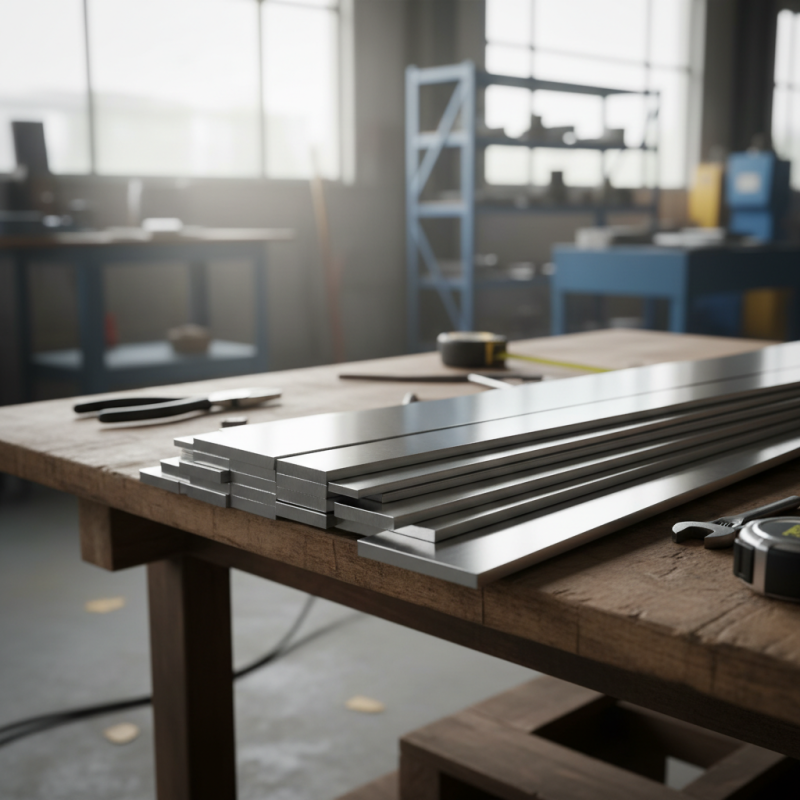
Table of Contents [Hide]
Overview of 430 Stainless Steel Strips and Their Properties
430 stainless steel strips are an excellent choice for a variety of projects. They are known for their strong corrosion resistance and decent durability. This type of stainless steel contains chromium, which provides a protective layer against rust and oxidation. However, it is not as resistant as higher grades. Users may need to keep this in mind.
In terms of mechanical properties, 430 stainless steel strips have good formability. They can be easily shaped and cut to fit specific project requirements. While they offer decent strength, their lack of nickel can lead to lower overall toughness. Thus, they may not be suitable for high-stress applications. It's essential to evaluate each use case carefully.
430 stainless steel strips are often used in home appliances and automotive parts. They exhibit a bright finish, making them visually appealing. However, this attractive surface may require regular maintenance to prevent scratches and tarnishing. Users should consider the balance between aesthetics and practicality when choosing this material for their projects.

© Copyright - Pro Tool & Supply - Site by SVM E-Marketing Solutions - Sitemap
- Privacy policy