- Products
- Air Compressors & Air Tools
- Climate Control
- Compaction Equipment
- Concrete Cutting Tools & Equipment
- Concrete and Masonry
- Demolition & Excavation
- Electrical & Mechanical
- Fasteners and Anchoring Adhesives
- Floor Protection
- Generators and Welders
- Hand Tools
- Heaters
- Janitorial and Office Supplies
- Jobsite Protection
- Ladders & Storage
- Lighting & Lighting Accessories
- Man Lifts
- Material Handling Equipment
- Power Tools
- Pressure Washers & Pumps
- Safety Gear
- Safety Products
- Saws
- Surface Preparation
- SEASONAL PRODUCTS
- Rentals
- Air Compressor and Air Tool Rentals
- Climate Control Rental
- Compaction Rentals
- Concrete Equipment Rentals
- Demolition & Excavation Equipment Rentals
- Concrete Floor Grinder Rentals
- General Construction Equipment Rentals
- Generator Rentals and Welder Rentals
- Heater Rentals
- Light Tower Rentals
- Man Lift Rentals in Massachusetts and Rhode Island
- Material Handling Equipment Rentals
- Pressure Washer & Pump Rentals
- Saw Rentals in New England
- SEASONAL PRODUCTS
- Products
- Air Compressors & Air Tools
- Climate Control
- Compaction Equipment
- Concrete Cutting Tools & Equipment
- Demolition & Excavation
- Electrical & Mechanical
- Floor Protection
- Generators and Welders
- Construction Heaters
- Construction Ladders, Staging, & Storage
- Construction Lighting
- Man Lifts
- Material Handling Equipment
- Industrial Janitorial and Office Supplies
- Pressure Washers & Pumps
- Construction Safety Products
- Construction Safety Gear
- Surface Preparation
- Building Protection
- Diesel Accessories
- Zero Emissions
- Rentals
- Air Compressor and Air Tool Rentals
- Climate Control Rental
- Compaction Rentals
- Concrete Equipment Rental
- Demolition & Excavation Equipment Rental
- General Construction Equipment Rental
- Generator Rentals and Welder Rentals
- Construction Heaters Rental
- Light Tower Rentals
- Man Lift Rentals
- Material Handling Equipment Rental
- Pressure Washer & Pump Rentals
- Saw Rentals in New England
- Concrete Floor Grinder Rentals
- Zero Emissions Rentals
- Repairs & Used
- Parts
- Blog
- Services
- Resources
- About Us
- Contact Us
Sales & Rental of Construction | Industrial Equipment & Supplies


Why Are Power Rail Insulators Important?
A Power Rail Insulator may look like a small component beside a steel rail, but its job is demanding. It supports the energized rail and helps keep current away from support structures and nearby equipment. In a station, that can mean resisting vibration, dust, moisture, and temperature changes day after day. Small part. Big responsibility.
For a clearly labeled illustrative perspective, fictional power-rail insulation engineer Daniel Mercer puts it this way: “A reliable insulator must do more than separate conductors; it must keep that separation under real operating conditions.” This is an original sample quote, not a statement from a real interview. The practical point is worth examining: material choice, profile, installation, and inspection all affect performance. A component that appears sound from platform level may still need careful assessment.
Why does this matter to operators and engineers? Insulation problems can contribute to leakage paths, service interruptions, or unsafe electrical conditions. The exact risks depend on the rail system, environment, and maintenance practices. There is no single insulator that suits every route. That detail is easy to overlook. A thoughtful look at Power Rail Insulator design helps explain how dependable rail operation relies on components that passengers rarely notice—and why inspection records and field experience matter as much as a product specification.
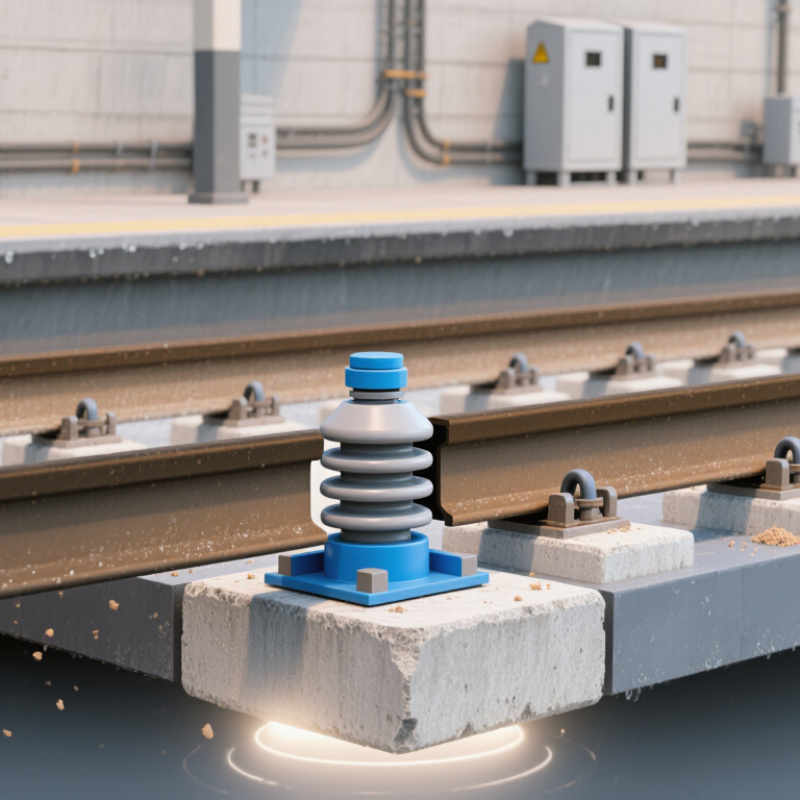
Table of Contents [Hide]
Power-Rail Insulators: How They Separate Live Rails from Track Structures
Power-rail insulators sit between a live conductor rail and its supporting brackets, sleepers, or other track structures. Their job is to interrupt the electrical path while holding the rail in a stable position. That separation helps prevent current from leaking into grounded structures or creating an unintended short circuit. Small parts. Big consequences.
Insulators also carry mechanical loads. Trains create vibration, while temperature changes can make rails expand and contract. A suitable insulator must maintain clearance and support the rail without cracking or shifting. Materials and shapes vary with the system and its operating conditions; one design does not suit every location. Moisture, dust, and conductive grime can also reduce surface insulation, especially around damaged fittings. During inspection, technicians look for cracks, looseness, wear, and signs of electrical tracking. It is easy to focus only on the rail itself. That can miss a failing support. Insulators reduce electrical risk, but they do not make an energized rail safe to touch, and their performance depends on sound installation and regular maintenance.
Why Are Power Rail Insulators Important? - Power-Rail Insulators: How They Separate Live Rails from Track Structures
| Dimension | How the Insulator Works | Why It Matters |
|---|---|---|
| Electrical isolation | Insulators support the live conductor rail while keeping it electrically separated from the supporting brackets, running rails, and other track structures. | They help prevent unintended current paths, electrical faults, and hazardous energization of nearby metalwork. |
| Mechanical support | The insulator transfers the conductor rail’s weight and service loads to its mounting structure while maintaining the specified position. | Stable support helps preserve the rail’s alignment and the clearance needed for reliable current collection. |
| Common materials | Power-rail systems use insulating materials such as porcelain and engineered polymer or composite materials. The selected material depends on the system design and service conditions. | Material choice affects electrical insulation, mechanical strength, resistance to weathering, and maintenance needs. |
| Electrical withstand | Insulators are designed and tested for the electrical conditions specified for their rail system, including operating voltage and applicable transient stresses. | Suitable electrical performance helps reduce the risk of flashover or breakdown. Requirements vary by railway and installation. |
| Environmental exposure | Outdoor units may be exposed to rain, humidity, dust, salt, sunlight, temperature changes, and other local conditions. | Contamination and moisture can reduce surface insulation performance, so the design and inspection plan must reflect the environment. |
| Clearance and tracking distance | Insulator geometry and installation spacing help provide clearance through air and a suitable surface path between energized and grounded components. | Correct spacing helps limit electrical discharge and surface leakage, especially under wet or contaminated conditions. |
| Safety and fault control | By maintaining separation between the live rail and track structures, insulators form one part of the railway’s overall electrical protection system. | They support safer operation but do not replace protective devices, grounding practices, barriers, or approved maintenance procedures. |
| Inspection and maintenance | Inspections can check for cracks, chips, deformation, contamination, loose fittings, and signs of electrical tracking or overheating. | Finding damage or deterioration early helps operators plan corrective work and maintain the intended electrical and mechanical performance. |
| System-specific design | Dimensions, mounting arrangements, material specifications, and test requirements are selected for the particular conductor-rail system and operating environment. | Insulators should be specified and installed according to the railway’s engineering requirements rather than treated as interchangeable components. |

© Copyright - Pro Tool & Supply - Site by SVM E-Marketing Solutions - Sitemap
- Privacy policy