- Products
- Air Compressors & Air Tools
- Climate Control
- Compaction Equipment
- Concrete Cutting Tools & Equipment
- Concrete and Masonry
- Demolition & Excavation
- Electrical & Mechanical
- Fasteners and Anchoring Adhesives
- Floor Protection
- Generators and Welders
- Hand Tools
- Heaters
- Janitorial and Office Supplies
- Jobsite Protection
- Ladders & Storage
- Lighting & Lighting Accessories
- Man Lifts
- Material Handling Equipment
- Power Tools
- Pressure Washers & Pumps
- Safety Gear
- Safety Products
- Saws
- Surface Preparation
- SEASONAL PRODUCTS
- Rentals
- Air Compressor and Air Tool Rentals
- Climate Control Rental
- Compaction Rentals
- Concrete Equipment Rentals
- Demolition & Excavation Equipment Rentals
- Concrete Floor Grinder Rentals
- General Construction Equipment Rentals
- Generator Rentals and Welder Rentals
- Heater Rentals
- Light Tower Rentals
- Man Lift Rentals in Massachusetts and Rhode Island
- Material Handling Equipment Rentals
- Pressure Washer & Pump Rentals
- Saw Rentals in New England
- SEASONAL PRODUCTS
- Products
- Air Compressors & Air Tools
- Climate Control
- Compaction Equipment
- Concrete Cutting Tools & Equipment
- Demolition & Excavation
- Electrical & Mechanical
- Floor Protection
- Generators and Welders
- Construction Heaters
- Construction Ladders, Staging, & Storage
- Construction Lighting
- Man Lifts
- Material Handling Equipment
- Industrial Janitorial and Office Supplies
- Pressure Washers & Pumps
- Construction Safety Products
- Construction Safety Gear
- Surface Preparation
- Building Protection
- Diesel Accessories
- Zero Emissions
- Rentals
- Air Compressor and Air Tool Rentals
- Climate Control Rental
- Compaction Rentals
- Concrete Equipment Rental
- Demolition & Excavation Equipment Rental
- General Construction Equipment Rental
- Generator Rentals and Welder Rentals
- Construction Heaters Rental
- Light Tower Rentals
- Man Lift Rentals
- Material Handling Equipment Rental
- Pressure Washer & Pump Rentals
- Saw Rentals in New England
- Concrete Floor Grinder Rentals
- Zero Emissions Rentals
- Repairs & Used
- Parts
- Blog
- Services
- Resources
- About Us
- Contact Us
Sales & Rental of Construction | Industrial Equipment & Supplies


What Is the Best Chamfering Cutter in 2026?
Choosing the best Chamfering Cutter in 2026 is not a simple brand comparison. The correct choice depends on material, machine rigidity, spindle speed, edge geometry, and required surface quality. A cutter that performs beautifully in aluminum may chatter badly in stainless steel. Tiny details matter.
Machining educator Dr. Tony Schmitz has described the tool as “the business end of the machine tool.” That observation fits chamfering work perfectly. The cutter touches every visible edge, so its geometry directly affects appearance, burr formation, cycle time, and dimensional accuracy. A reliable evaluation should examine carbide grade, coating, included angle, flute design, corner strength, and chip evacuation. It should also consider whether the tool supports dry cutting, coolant delivery, or high-speed machining.
Real workshop evidence matters more than attractive catalog claims. Compare test cuts using the same workholding, feed rate, radial engagement, and material batch. Inspect the edge under consistent lighting. Measure burr height, chamfer width, tool wear, and spindle load. Record the results.
Not every premium cutter is the best cutter.
Some recommendations fail because they ignore machine limitations or operator experience. I have seen a sharp, expensive tool produce rough edges when the holder had excessive runout. That result was disappointing, but useful. It showed why tool selection must include the complete cutting system.
This guide will compare leading Chamfering Cutter options for 2026. It will focus on repeatable performance, practical value, and honest limitations. The final choice should suit the job, not merely the advertisement.
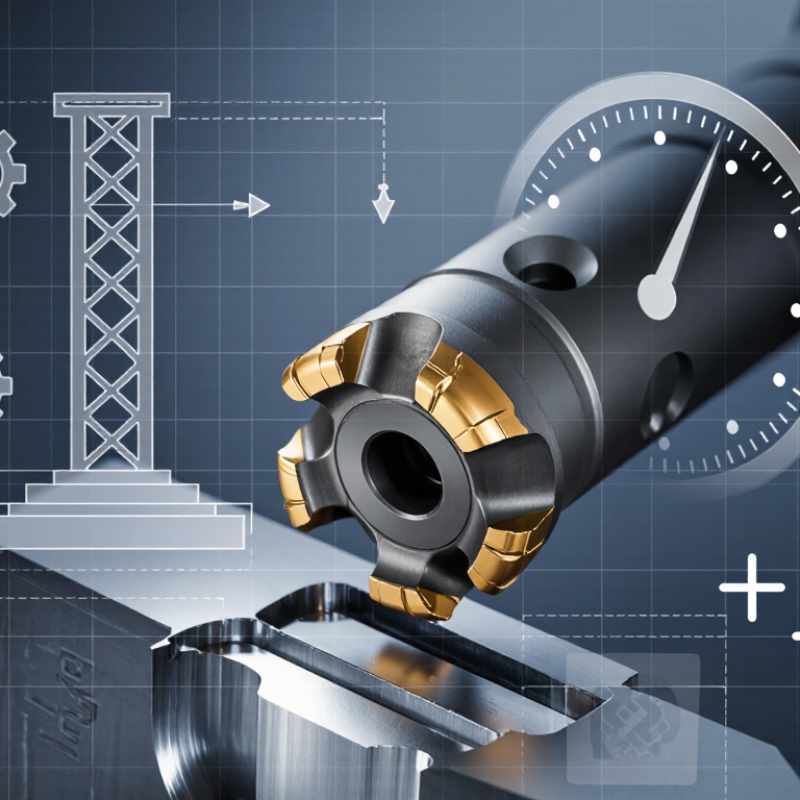
Table of Contents [Hide]
What Is a Chamfering Cutter and How Does It Work?
A chamfering cutter creates a sloped edge on a drilled hole, milled corner, or machined profile. It removes sharp material at a controlled angle. The cutter usually has angled flutes that shear metal as the spindle rotates. On a CNC machine, the tool enters the edge, cuts a narrow bevel, and exits smoothly. Its working action is simple, but setup errors can cause chatter, burrs, or uneven widths.
Tool selection depends on workpiece material, chamfer angle, diameter, coating, and machine rigidity. A 90-degree cutter suits many deburring tasks, while other angles support countersinking or assembly clearance. Grand View Research’s 2024 CNC machine market report estimates about 8.5% annual growth through 2030. That trend suggests stronger demand for repeatable edge finishing. The International Federation of Robotics reported 541,302 industrial robot installations worldwide in 2023. Automated cells therefore need cutters that deliver predictable results across repeated cycles. Still, automation does not replace judgment. A perfect-looking chamfer may hide a weak edge.
Tips: Start with conservative feed and speed settings. Confirm the cutter’s angle before programming. Check the exit side carefully. Tool runout under 0.02 mm can improve consistency, although the ideal value depends on the machine. Use coolant when heat builds quickly, but avoid assuming it always helps. In some aluminum operations, dry cutting produces a cleaner edge. Not always. Inspect the first five parts, measure the chamfer width, and adjust gradually.

© Copyright - Pro Tool & Supply - Site by SVM E-Marketing Solutions - Sitemap
- Privacy policy