- Products
- Air Compressors & Air Tools
- Climate Control
- Compaction Equipment
- Concrete Cutting Tools & Equipment
- Concrete and Masonry
- Demolition & Excavation
- Electrical & Mechanical
- Fasteners and Anchoring Adhesives
- Floor Protection
- Generators and Welders
- Hand Tools
- Heaters
- Janitorial and Office Supplies
- Jobsite Protection
- Ladders & Storage
- Lighting & Lighting Accessories
- Man Lifts
- Material Handling Equipment
- Power Tools
- Pressure Washers & Pumps
- Safety Gear
- Safety Products
- Saws
- Surface Preparation
- SEASONAL PRODUCTS
- Rentals
- Air Compressor and Air Tool Rentals
- Climate Control Rental
- Compaction Rentals
- Concrete Equipment Rentals
- Demolition & Excavation Equipment Rentals
- Concrete Floor Grinder Rentals
- General Construction Equipment Rentals
- Generator Rentals and Welder Rentals
- Heater Rentals
- Light Tower Rentals
- Man Lift Rentals in Massachusetts and Rhode Island
- Material Handling Equipment Rentals
- Pressure Washer & Pump Rentals
- Saw Rentals in New England
- SEASONAL PRODUCTS
- Products
- Air Compressors & Air Tools
- Climate Control
- Compaction Equipment
- Concrete Cutting Tools & Equipment
- Demolition & Excavation
- Electrical & Mechanical
- Floor Protection
- Generators and Welders
- Construction Heaters
- Construction Ladders, Staging, & Storage
- Construction Lighting
- Man Lifts
- Material Handling Equipment
- Industrial Janitorial and Office Supplies
- Pressure Washers & Pumps
- Construction Safety Products
- Construction Safety Gear
- Surface Preparation
- Building Protection
- Diesel Accessories
- Zero Emissions
- Rentals
- Air Compressor and Air Tool Rentals
- Climate Control Rental
- Compaction Rentals
- Concrete Equipment Rental
- Demolition & Excavation Equipment Rental
- General Construction Equipment Rental
- Generator Rentals and Welder Rentals
- Construction Heaters Rental
- Light Tower Rentals
- Man Lift Rentals
- Material Handling Equipment Rental
- Pressure Washer & Pump Rentals
- Saw Rentals in New England
- Concrete Floor Grinder Rentals
- Zero Emissions Rentals
- Repairs & Used
- Parts
- Blog
- Services
- Resources
- About Us
- Contact Us
Sales & Rental of Construction | Industrial Equipment & Supplies


What Is an SUV E Bike?
An SUV E-Bike is built for more than a smooth ride to the corner shop. The name is an informal market label, not a universally fixed technical category. It usually describes a sturdy electric bike with wide tires, a reinforced frame, practical carrying capacity, and components suited to mixed terrain. Think of a loaded grocery run, a gravel path, or a child’s seat mounted behind the saddle. The details matter.
Demand helps explain the appeal. PeopleForBikes, drawing on Circana retail data, reported that U.S. e-bike sales grew 269% between 2019 and 2022. That figure covers e-bikes broadly, not SUV-style models alone. It signals a fast-expanding market, but does not prove every buyer needs a heavier, more powerful bike. Ed Benjamin, chairman of the Light Electric Vehicle Association, has described the bicycle as “the most efficient form of transportation ever invented.” His observation captures the promise, though efficiency depends on how and where a bike is used. A heavy frame and large battery can add comfort and range, yet also add weight, cost, and charging needs. Not a perfect fit.
This guide explains what typically separates an SUV E-Bike from a standard commuter model, which features deserve attention, and where marketing claims need a closer look. You will find practical comparisons, not a promise that one bike suits every rider. Check the payload rating, braking system, tire dimensions, and battery details before deciding. The small print can matter as much as the motor.
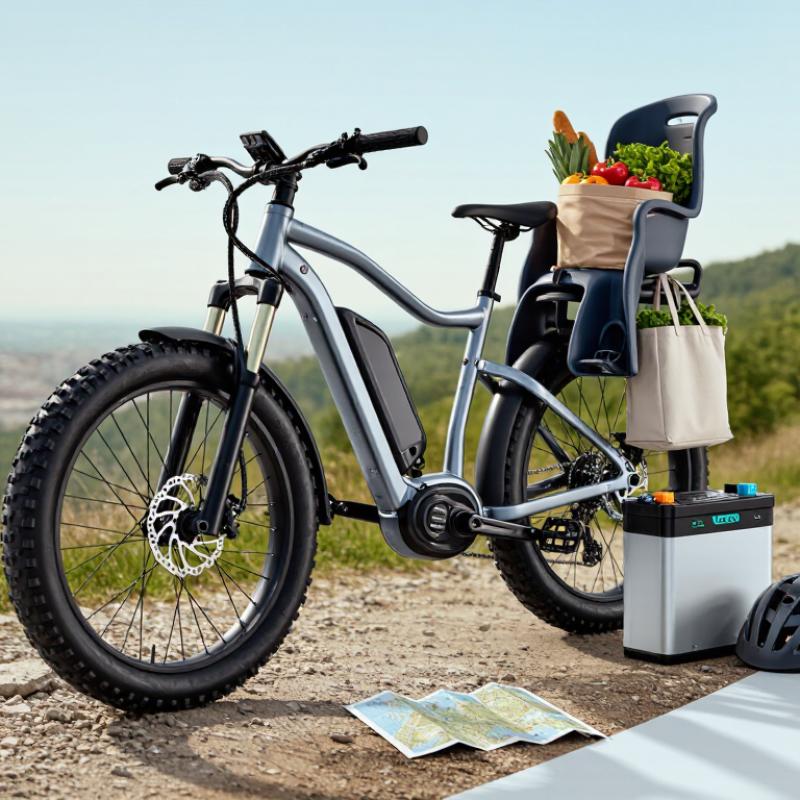
Table of Contents [Hide]
What Defines an SUV E-Bike?
What Is an SUV E Bike?
What Defines an SUV E-Bike?
An SUV e-bike is a utility-focused electric bicycle built to handle mixed daily use. The label has no single, widely adopted technical definition. It usually signals a sturdier frame, wider tires, stronger brakes, and fittings for racks, lights, and mudguards. Some models add front suspension or a larger battery, but neither feature alone makes a bike an SUV e-bike. Check the parts, not just the label.
The practical difference shows up on a weekday ride: a loaded rear rack, a rough cycle path, then a steep hill. Wide tires can add grip and comfort, while a stable frame helps manage cargo; extra weight can make stairs or tight turns harder. That trade-off is real. CONEBI’s 2023 European Bicycle Industry and Market Profile estimated 5.1 million e-bikes were sold in Europe in 2022, showing the category’s broad appeal, but it did not define “SUV e-bike.” Treat that figure as market context, not proof of a formal class. When comparing bikes, inspect permitted payload, tire width, braking components, battery capacity, and how the bike feels under load. A test ride with a full rack may reveal more than a specification sheet.

© Copyright - Pro Tool & Supply - Site by SVM E-Marketing Solutions - Sitemap
- Privacy policy