- Products
- Air Compressors & Air Tools
- Climate Control
- Compaction Equipment
- Concrete Cutting Tools & Equipment
- Concrete and Masonry
- Demolition & Excavation
- Electrical & Mechanical
- Fasteners and Anchoring Adhesives
- Floor Protection
- Generators and Welders
- Hand Tools
- Heaters
- Janitorial and Office Supplies
- Jobsite Protection
- Ladders & Storage
- Lighting & Lighting Accessories
- Man Lifts
- Material Handling Equipment
- Power Tools
- Pressure Washers & Pumps
- Safety Gear
- Safety Products
- Saws
- Surface Preparation
- SEASONAL PRODUCTS
- Rentals
- Air Compressor and Air Tool Rentals
- Climate Control Rental
- Compaction Rentals
- Concrete Equipment Rentals
- Demolition & Excavation Equipment Rentals
- Concrete Floor Grinder Rentals
- General Construction Equipment Rentals
- Generator Rentals and Welder Rentals
- Heater Rentals
- Light Tower Rentals
- Man Lift Rentals in Massachusetts and Rhode Island
- Material Handling Equipment Rentals
- Pressure Washer & Pump Rentals
- Saw Rentals in New England
- SEASONAL PRODUCTS
- Products
- Air Compressors & Air Tools
- Climate Control
- Compaction Equipment
- Concrete Cutting Tools & Equipment
- Demolition & Excavation
- Electrical & Mechanical
- Floor Protection
- Generators and Welders
- Construction Heaters
- Construction Ladders, Staging, & Storage
- Construction Lighting
- Man Lifts
- Material Handling Equipment
- Industrial Janitorial and Office Supplies
- Pressure Washers & Pumps
- Construction Safety Products
- Construction Safety Gear
- Surface Preparation
- Building Protection
- Diesel Accessories
- Zero Emissions
- Rentals
- Air Compressor and Air Tool Rentals
- Climate Control Rental
- Compaction Rentals
- Concrete Equipment Rental
- Demolition & Excavation Equipment Rental
- General Construction Equipment Rental
- Generator Rentals and Welder Rentals
- Construction Heaters Rental
- Light Tower Rentals
- Man Lift Rentals
- Material Handling Equipment Rental
- Pressure Washer & Pump Rentals
- Saw Rentals in New England
- Concrete Floor Grinder Rentals
- Zero Emissions Rentals
- Repairs & Used
- Parts
- Blog
- Services
- Resources
- About Us
- Contact Us
Sales & Rental of Construction | Industrial Equipment & Supplies


What Is a Pan Tilt Video Platform?
A Pan Tilt Video Platform combines remotely controlled camera movement, live streaming, recording, analytics, and system management in one operational layer. It can turn a fixed corridor view into a wider scene, then focus on a loading bay, entrance, or distant vehicle. That flexibility matters where one camera must cover several changing areas. Still, movement alone is not intelligence.
Grand View Research valued the global video surveillance market at USD 58.26 billion in 2023 and expects a 10.7% compound annual growth rate through 2030. MarketsandMarkets projects the market could reach USD 83.3 billion by 2028. These figures describe the wider surveillance sector, not only pan-tilt systems. They nevertheless show the pressure for scalable, connected video operations. As Ray Mauritsson, former CEO of Axis Communications, stated, “The future of security is connected, intelligent and sustainable.”
That future depends on practical details. A platform should support accurate pan and tilt control, stable low-latency video, role-based access, secure updates, and clear audit records. Operators need to follow a person across a courtyard without losing the scene. They also need reliable presets when weather, lighting, or network conditions change. Small delays matter.
It is not magic.
My own caution is simple: broader coverage can create more video, but not necessarily better decisions. Poor camera placement, weak retention policies, or noisy analytics can overwhelm staff. A credible Pan Tilt Video Platform therefore balances movement, evidence quality, cybersecurity, privacy, and human review. The strongest design is not the one with the most features. It is the one operators can trust during an ordinary shift and a difficult incident.
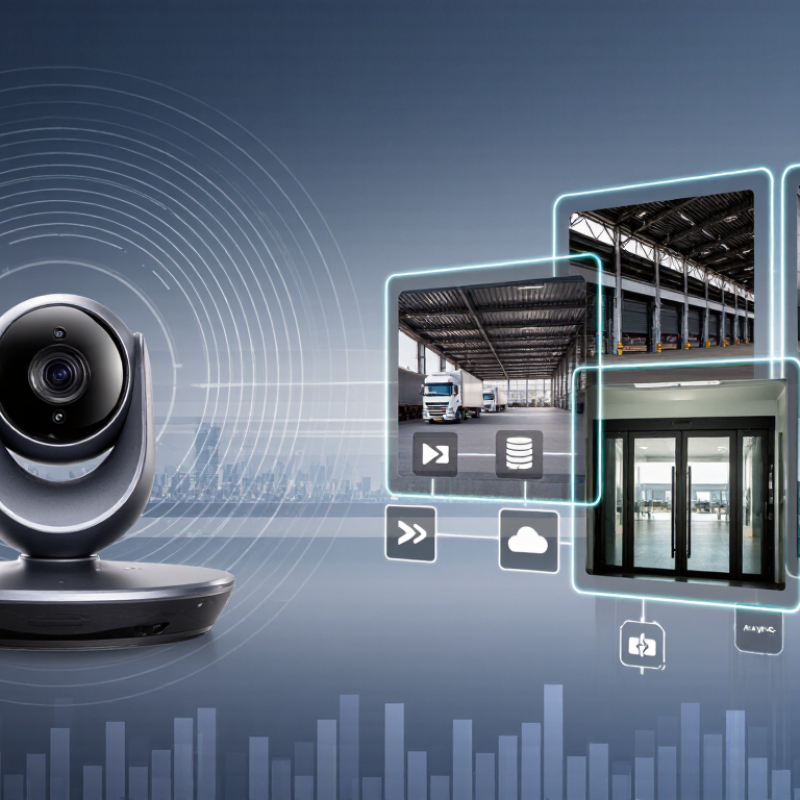
Table of Contents [Hide]
Definition and Core Purpose of a Pan-Tilt Video Platform
What Is a Pan Tilt Video Platform?
Definition and Core Purpose of a Pan-Tilt Video Platform
A pan-tilt video platform is a camera system that moves horizontally and vertically. It helps operators inspect wider areas without installing several fixed cameras. The core purpose is controlled visual coverage. An operator can follow activity, check equipment, or examine a doorway from a remote console. Smooth movement matters because sudden turns can lose a person or vehicle from view. In practical use, clear video, accurate positioning, and stable connectivity matter more than movement alone.
Many platforms support scheduled views, manual control, and event-based recording. A warehouse operator might save one view of a loading bay and another of a storage aisle. An experienced installer also checks lighting, mounting height, network delay, and access permissions. These details affect real performance. A platform can appear impressive during testing, then struggle under poor lighting or heavy network traffic. It is not magic. Blind spots remain, especially behind walls or near the platform’s mounting point.
Tips: Mount the platform above common obstructions, but avoid excessive height. Test movement at different speeds and lighting levels. Mark useful viewing angles before final installation. Keep access limited to trained personnel. Review recordings only for defined operational purposes. A rushed setup can create false confidence, so document what the platform cannot see.

© Copyright - Pro Tool & Supply - Site by SVM E-Marketing Solutions - Sitemap
- Privacy policy