- Products
- Air Compressors & Air Tools
- Climate Control
- Compaction Equipment
- Concrete Cutting Tools & Equipment
- Concrete and Masonry
- Demolition & Excavation
- Electrical & Mechanical
- Fasteners and Anchoring Adhesives
- Floor Protection
- Generators and Welders
- Hand Tools
- Heaters
- Janitorial and Office Supplies
- Jobsite Protection
- Ladders & Storage
- Lighting & Lighting Accessories
- Man Lifts
- Material Handling Equipment
- Power Tools
- Pressure Washers & Pumps
- Safety Gear
- Safety Products
- Saws
- Surface Preparation
- SEASONAL PRODUCTS
- Rentals
- Air Compressor and Air Tool Rentals
- Climate Control Rental
- Compaction Rentals
- Concrete Equipment Rentals
- Demolition & Excavation Equipment Rentals
- Concrete Floor Grinder Rentals
- General Construction Equipment Rentals
- Generator Rentals and Welder Rentals
- Heater Rentals
- Light Tower Rentals
- Man Lift Rentals in Massachusetts and Rhode Island
- Material Handling Equipment Rentals
- Pressure Washer & Pump Rentals
- Saw Rentals in New England
- SEASONAL PRODUCTS
- Products
- Air Compressors & Air Tools
- Climate Control
- Compaction Equipment
- Concrete Cutting Tools & Equipment
- Demolition & Excavation
- Electrical & Mechanical
- Floor Protection
- Generators and Welders
- Construction Heaters
- Construction Ladders, Staging, & Storage
- Construction Lighting
- Man Lifts
- Material Handling Equipment
- Industrial Janitorial and Office Supplies
- Pressure Washers & Pumps
- Construction Safety Products
- Construction Safety Gear
- Surface Preparation
- Building Protection
- Diesel Accessories
- Zero Emissions
- Rentals
- Air Compressor and Air Tool Rentals
- Climate Control Rental
- Compaction Rentals
- Concrete Equipment Rental
- Demolition & Excavation Equipment Rental
- General Construction Equipment Rental
- Generator Rentals and Welder Rentals
- Construction Heaters Rental
- Light Tower Rentals
- Man Lift Rentals
- Material Handling Equipment Rental
- Pressure Washer & Pump Rentals
- Saw Rentals in New England
- Concrete Floor Grinder Rentals
- Zero Emissions Rentals
- Repairs & Used
- Parts
- Blog
- Services
- Resources
- About Us
- Contact Us
Sales & Rental of Construction | Industrial Equipment & Supplies


What Is a Fire Box and How Does It Work
A Fire Box, often called a firebox, is the enclosed space where fuel burns inside a stove, fireplace, or furnace. Its walls contain the flame and intense heat, while its opening or door helps regulate airflow. In many appliances, air enters through designed vents and supports combustion. Heat warms the firebox walls, then travels into a room or heating system. Simple idea. Yet details vary.
The firebox also shapes airflow. A chimney or flue carries combustion gases upward, and a steady draft helps supply oxygen to the flame. Too little air can produce more smoke and incomplete burning; excessive airflow may send useful heat up the flue. Door seals, baffles, lining, and clear passages can all affect performance, depending on the appliance. A dull orange glow on the walls may be normal for some units, but visible damage or unusual smoke deserves attention. Not guesswork.
Understanding how a Fire Box works makes everyday checks more meaningful. Follow the appliance maker’s instructions, use only approved fuel, and keep required vents unobstructed. A qualified technician can assess cracks, loose panels, or draft problems that are hard to judge by sight. Even careful owners can miss a small fault. That matters. A firebox is not just a hot cavity; it is part of a system that manages heat, air, and exhaust.
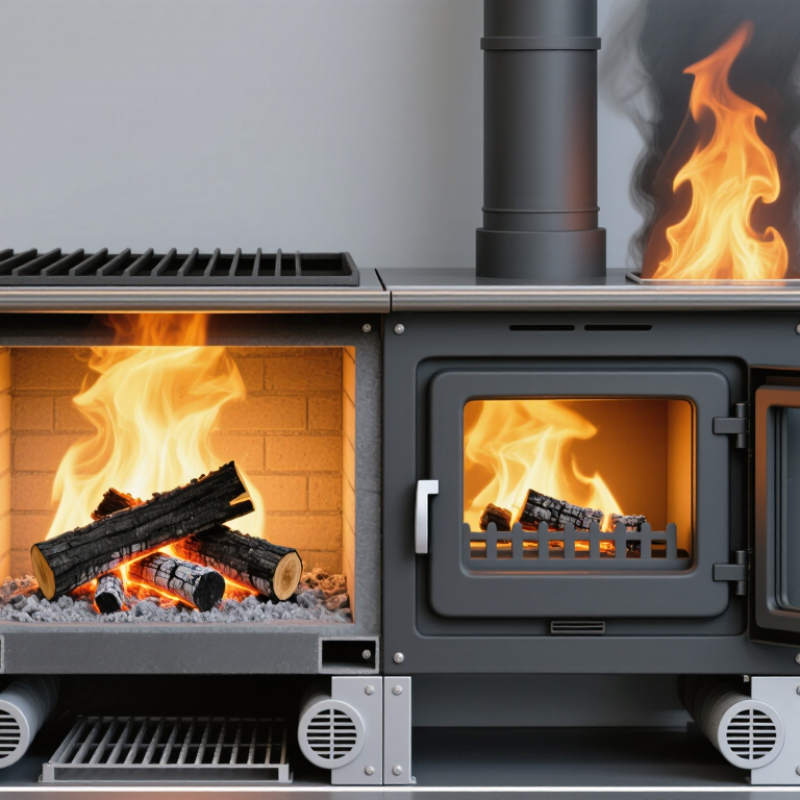
Table of Contents [Hide]
What a Fire Box Is and Where It Is Located
A firebox is the chamber inside a fireplace where wood or another approved fuel burns. It is usually visible through the fireplace opening. Put simply, it is the fire’s home. Its walls contain heat and help direct smoke toward the flue, the passage leading into the chimney. In many masonry fireplaces, the firebox is built from firebrick and mortar. Some manufactured fireplaces use a metal firebox with a specific lining. The design varies, so not every firebox looks alike.
Look just inside the fireplace opening, above the hearth and below the damper. That is where the firebox is located. The hearth is the floor in front of it; the firebox floor sits farther back, beneath the flame. The back and side walls form its boundaries. Above them, the damper and smoke chamber connect the firebox to the chimney or vent. Location matters. A crack in a firebox wall, loose mortar, or a shifted lining can affect how safely it contains heat. Small damage may be easy to overlook. Still, appearance alone cannot confirm that a firebox is sound; a qualified fireplace professional can assess hidden wear and the vent connection.

© Copyright - Pro Tool & Supply - Site by SVM E-Marketing Solutions - Sitemap
- Privacy policy