- Products
- Air Compressors & Air Tools
- Climate Control
- Compaction Equipment
- Concrete Cutting Tools & Equipment
- Concrete and Masonry
- Demolition & Excavation
- Electrical & Mechanical
- Fasteners and Anchoring Adhesives
- Floor Protection
- Generators and Welders
- Hand Tools
- Heaters
- Janitorial and Office Supplies
- Jobsite Protection
- Ladders & Storage
- Lighting & Lighting Accessories
- Man Lifts
- Material Handling Equipment
- Power Tools
- Pressure Washers & Pumps
- Safety Gear
- Safety Products
- Saws
- Surface Preparation
- SEASONAL PRODUCTS
- Rentals
- Air Compressor and Air Tool Rentals
- Climate Control Rental
- Compaction Rentals
- Concrete Equipment Rentals
- Demolition & Excavation Equipment Rentals
- Concrete Floor Grinder Rentals
- General Construction Equipment Rentals
- Generator Rentals and Welder Rentals
- Heater Rentals
- Light Tower Rentals
- Man Lift Rentals in Massachusetts and Rhode Island
- Material Handling Equipment Rentals
- Pressure Washer & Pump Rentals
- Saw Rentals in New England
- SEASONAL PRODUCTS
- Products
- Air Compressors & Air Tools
- Climate Control
- Compaction Equipment
- Concrete Cutting Tools & Equipment
- Demolition & Excavation
- Electrical & Mechanical
- Floor Protection
- Generators and Welders
- Construction Heaters
- Construction Ladders, Staging, & Storage
- Construction Lighting
- Man Lifts
- Material Handling Equipment
- Industrial Janitorial and Office Supplies
- Pressure Washers & Pumps
- Construction Safety Products
- Construction Safety Gear
- Surface Preparation
- Building Protection
- Diesel Accessories
- Zero Emissions
- Rentals
- Air Compressor and Air Tool Rentals
- Climate Control Rental
- Compaction Rentals
- Concrete Equipment Rental
- Demolition & Excavation Equipment Rental
- General Construction Equipment Rental
- Generator Rentals and Welder Rentals
- Construction Heaters Rental
- Light Tower Rentals
- Man Lift Rentals
- Material Handling Equipment Rental
- Pressure Washer & Pump Rentals
- Saw Rentals in New England
- Concrete Floor Grinder Rentals
- Zero Emissions Rentals
- Repairs & Used
- Parts
- Blog
- Services
- Resources
- About Us
- Contact Us
Sales & Rental of Construction | Industrial Equipment & Supplies


What Are the 2026 Top Outdoor Lighting Types?
Outdoor Lighting is entering 2026 with more choices, but better technology does not always mean better design. Homeowners, architects, and facility managers are comparing energy use, weather resistance, control systems, and visual comfort. The U.S. Department of Energy reports that LED lighting can use at least 75% less energy than incandescent lighting and last much longer. These benefits explain why LED path lights, wall packs, bollards, floodlights, and architectural strips remain central to current projects.
Industry research points toward broader adoption of connected and efficient systems. The International Energy Agency’s energy-efficiency reports continue to identify efficient lighting as an important source of electricity savings. MarketsandMarkets also forecasts continued growth in the smart lighting sector, supported by sensors, wireless controls, and building automation. In practical terms, a 2026 garden may use warm-white path fixtures, motion-sensitive security lights, and app-controlled accent lighting around trees or façades. Small details matter.
Not every trend deserves a purchase.
Solar fixtures can reduce wiring, yet shaded gardens may limit their performance. Smart controls can improve convenience, although poor connectivity may frustrate users. Weather ratings should be checked carefully through recognized IP classifications under IEC 60529, especially for exposed installations. Dark-sky guidance also encourages controlled brightness and reduced upward glare.
This guide examines the leading Outdoor Lighting types expected to shape 2026 projects. It considers performance, installation conditions, maintenance, appearance, and long-term value. Forecasts are never perfect. Real properties differ, and a modest, well-aimed fixture may outperform an expensive system with excessive brightness.
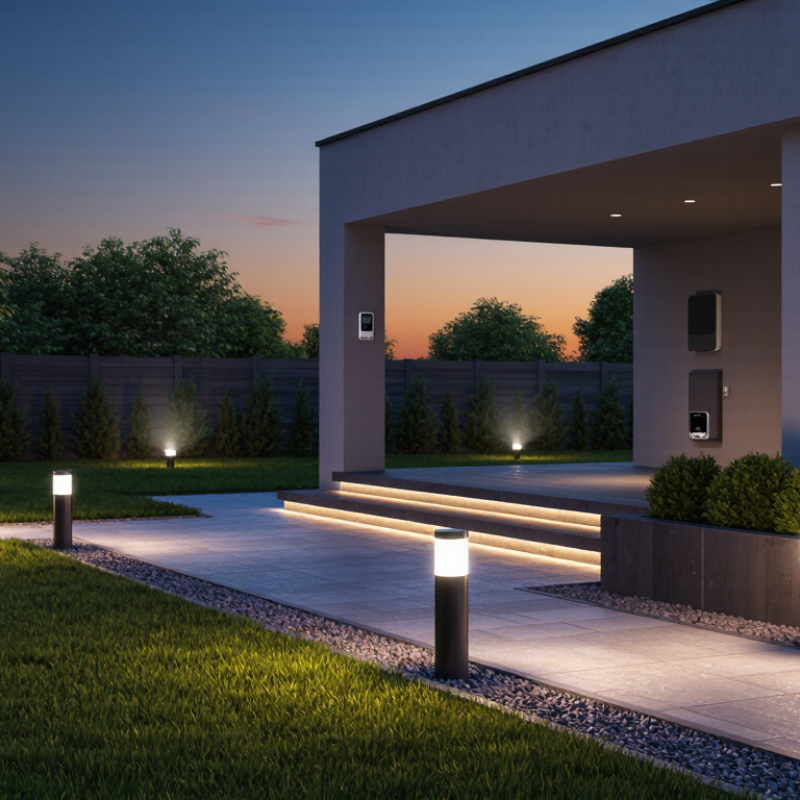
Table of Contents [Hide]
Classify 2026 Outdoor Lighting by DOE Efficiency, Power Source, and Controls
What Are the 2026 Top Outdoor Lighting Types?
Classifying outdoor lighting in 2026 requires more than choosing bright fixtures. DOE efficiency guidance emphasizes useful lumens, wattage, and control performance. LED fixtures remain practical because they deliver strong output with lower energy use. Compare lumens per watt, not advertised brightness alone. A pathway fixture producing 500 lumens may waste energy if its beam spreads across the lawn.
Power source also changes installation and maintenance. Solar lights suit sunny walkways and remote garden corners. Their output may weaken after cloudy days. Low-voltage systems provide consistent light for patios, steps, and landscape edges.
Line-voltage fixtures support larger areas but require qualified installation and code checks. Battery-powered units offer flexibility, although frequent replacement can become an overlooked cost.
Tips:
Match controls to behavior. Use photocells for dusk-to-dawn security lighting, timers for predictable schedules, and occupancy sensors for occasional movement. Smart controls can reduce unnecessary runtime, but weak network coverage may limit reliability. In site reviews, I have found that over-lighting often creates glare instead of safety. That lesson is easy to miss. Choose warm color temperatures near seating areas, shield visible lamps, and confirm outdoor ratings before installation. Review seasonal performance after several months, because the original plan may not fit real weather, shadows, or household routines.

© Copyright - Pro Tool & Supply - Site by SVM E-Marketing Solutions - Sitemap
- Privacy policy