- Products
- Air Compressors & Air Tools
- Climate Control
- Compaction Equipment
- Concrete Cutting Tools & Equipment
- Concrete and Masonry
- Demolition & Excavation
- Electrical & Mechanical
- Fasteners and Anchoring Adhesives
- Floor Protection
- Generators and Welders
- Hand Tools
- Heaters
- Janitorial and Office Supplies
- Jobsite Protection
- Ladders & Storage
- Lighting & Lighting Accessories
- Man Lifts
- Material Handling Equipment
- Power Tools
- Pressure Washers & Pumps
- Safety Gear
- Safety Products
- Saws
- Surface Preparation
- SEASONAL PRODUCTS
- Rentals
- Air Compressor and Air Tool Rentals
- Climate Control Rental
- Compaction Rentals
- Concrete Equipment Rentals
- Demolition & Excavation Equipment Rentals
- Concrete Floor Grinder Rentals
- General Construction Equipment Rentals
- Generator Rentals and Welder Rentals
- Heater Rentals
- Light Tower Rentals
- Man Lift Rentals in Massachusetts and Rhode Island
- Material Handling Equipment Rentals
- Pressure Washer & Pump Rentals
- Saw Rentals in New England
- SEASONAL PRODUCTS
- Products
- Air Compressors & Air Tools
- Climate Control
- Compaction Equipment
- Concrete Cutting Tools & Equipment
- Demolition & Excavation
- Electrical & Mechanical
- Floor Protection
- Generators and Welders
- Construction Heaters
- Construction Ladders, Staging, & Storage
- Construction Lighting
- Man Lifts
- Material Handling Equipment
- Industrial Janitorial and Office Supplies
- Pressure Washers & Pumps
- Construction Safety Products
- Construction Safety Gear
- Surface Preparation
- Building Protection
- Diesel Accessories
- Zero Emissions
- Rentals
- Air Compressor and Air Tool Rentals
- Climate Control Rental
- Compaction Rentals
- Concrete Equipment Rental
- Demolition & Excavation Equipment Rental
- General Construction Equipment Rental
- Generator Rentals and Welder Rentals
- Construction Heaters Rental
- Light Tower Rentals
- Man Lift Rentals
- Material Handling Equipment Rental
- Pressure Washer & Pump Rentals
- Saw Rentals in New England
- Concrete Floor Grinder Rentals
- Zero Emissions Rentals
- Repairs & Used
- Parts
- Blog
- Services
- Resources
- About Us
- Contact Us
Sales & Rental of Construction | Industrial Equipment & Supplies


What Are the 10 Best Vertical Boring Machines?
Choosing a Vertical Boring Machine is rarely just a matter of picking the largest model. The right machine must match the workpiece, required accuracy, available floor space, and production volume. A heavy casting, for example, may need a broad table and steady support, while repeat production can make setup time especially important. Small details matter.
This guide examines ten vertical boring machines and the features that can make each one suitable for particular shop conditions. We consider practical factors such as table diameter, turning capacity, spindle performance, control options, tool changes, and service support. Specifications alone do not tell the whole story. A machine that looks impressive on paper may not suit a shop’s power supply, operator experience, or maintenance resources. That is worth checking.
“Best” depends on the job, and product availability or specifications can change. Buyers should confirm current details with manufacturers or authorized suppliers before making a decision. The comparisons here are intended to help narrow the options, not replace a technical review of your parts and process. A careful match can improve workflow and consistency; a rushed choice can leave valuable capacity unused.
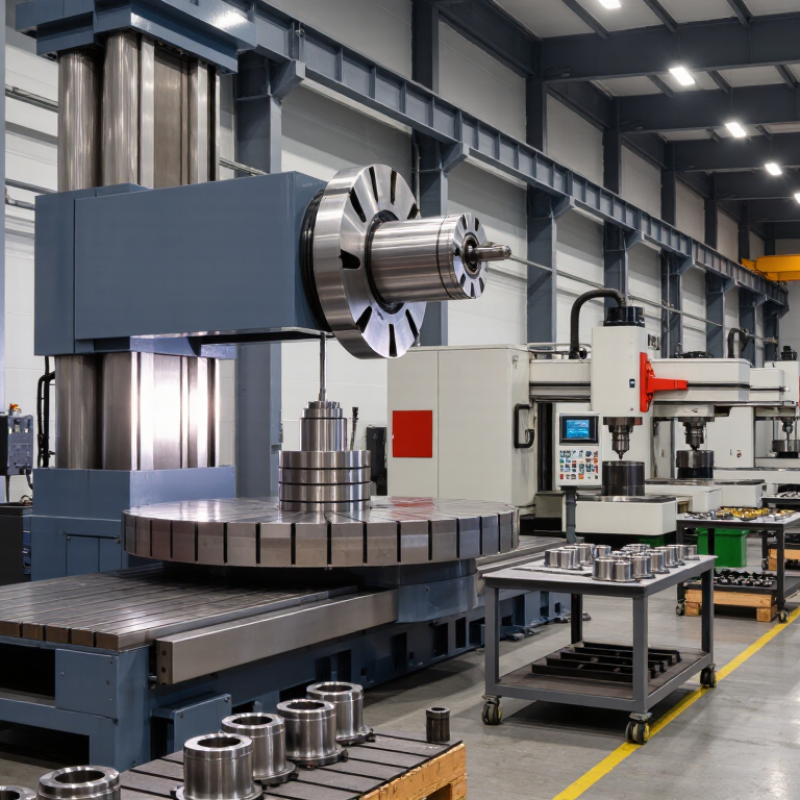
Table of Contents [Hide]
What Is a Vertical Boring Machine and How Does It Work?
A vertical boring machine, often called a vertical turning lathe, holds a large workpiece on a horizontal rotating table. A tool head travels along the machine column as the table turns the part beneath it. The cutter can bore internal diameters, face flat surfaces, or shape outer walls. Heavy parts. This layout suits wide castings that are difficult to rotate horizontally.
Operators clamp and center the workpiece before cutting; even a small setup error can leave uneven walls. During operation, the rotating table supplies the cutting motion, while the tool feeds across or into the material.
Grand View Research’s 2023 CNC Machine Market report estimated the global market at USD 83.99 billion in 2022 and forecast 5.5% annual growth from 2023 to 2030. This figure covers CNC machines broadly, not vertical boring machines alone. The distinction matters.
These machines can handle substantial parts, but accuracy still depends on rigidity, tooling, and careful setup.
Tips: Check the part’s center and clamping points before starting. Watch for vibration, especially when a long tool reaches inside a deep bore. A neat finish is not guaranteed; worn tooling or poor alignment can leave visible chatter marks.

© Copyright - Pro Tool & Supply - Site by SVM E-Marketing Solutions - Sitemap
- Privacy policy