- Products
- Air Compressors & Air Tools
- Climate Control
- Compaction Equipment
- Concrete Cutting Tools & Equipment
- Concrete and Masonry
- Demolition & Excavation
- Electrical & Mechanical
- Fasteners and Anchoring Adhesives
- Floor Protection
- Generators and Welders
- Hand Tools
- Heaters
- Janitorial and Office Supplies
- Jobsite Protection
- Ladders & Storage
- Lighting & Lighting Accessories
- Man Lifts
- Material Handling Equipment
- Power Tools
- Pressure Washers & Pumps
- Safety Gear
- Safety Products
- Saws
- Surface Preparation
- SEASONAL PRODUCTS
- Rentals
- Air Compressor and Air Tool Rentals
- Climate Control Rental
- Compaction Rentals
- Concrete Equipment Rentals
- Demolition & Excavation Equipment Rentals
- Concrete Floor Grinder Rentals
- General Construction Equipment Rentals
- Generator Rentals and Welder Rentals
- Heater Rentals
- Light Tower Rentals
- Man Lift Rentals in Massachusetts and Rhode Island
- Material Handling Equipment Rentals
- Pressure Washer & Pump Rentals
- Saw Rentals in New England
- SEASONAL PRODUCTS
- Products
- Air Compressors & Air Tools
- Climate Control
- Compaction Equipment
- Concrete Cutting Tools & Equipment
- Demolition & Excavation
- Electrical & Mechanical
- Floor Protection
- Generators and Welders
- Construction Heaters
- Construction Ladders, Staging, & Storage
- Construction Lighting
- Man Lifts
- Material Handling Equipment
- Industrial Janitorial and Office Supplies
- Pressure Washers & Pumps
- Construction Safety Products
- Construction Safety Gear
- Surface Preparation
- Building Protection
- Diesel Accessories
- Zero Emissions
- Rentals
- Air Compressor and Air Tool Rentals
- Climate Control Rental
- Compaction Rentals
- Concrete Equipment Rental
- Demolition & Excavation Equipment Rental
- General Construction Equipment Rental
- Generator Rentals and Welder Rentals
- Construction Heaters Rental
- Light Tower Rentals
- Man Lift Rentals
- Material Handling Equipment Rental
- Pressure Washer & Pump Rentals
- Saw Rentals in New England
- Concrete Floor Grinder Rentals
- Zero Emissions Rentals
- Repairs & Used
- Parts
- Blog
- Services
- Resources
- About Us
- Contact Us
Sales & Rental of Construction | Industrial Equipment & Supplies


What is a Welding Machine and How Does It Work?
A Welding Machine is an essential tool in modern industry. It fuses materials together, creating strong bonds. Understanding how it works can enhance safety and efficiency in various applications.
These machines come in different types, each serving specific purposes. For instance, MIG welders use a wire feed to join metals. TIG welders, on the other hand, utilize a tungsten electrode for precision work. Each method has its own unique advantages.
However, mastering a Welding Machine requires practice. Mistakes often lead to weak welds or even accidents. The learning curve can be steep. It's vital to approach this tool with care and respect. Tools can empower, but they can also pose risks if misused.
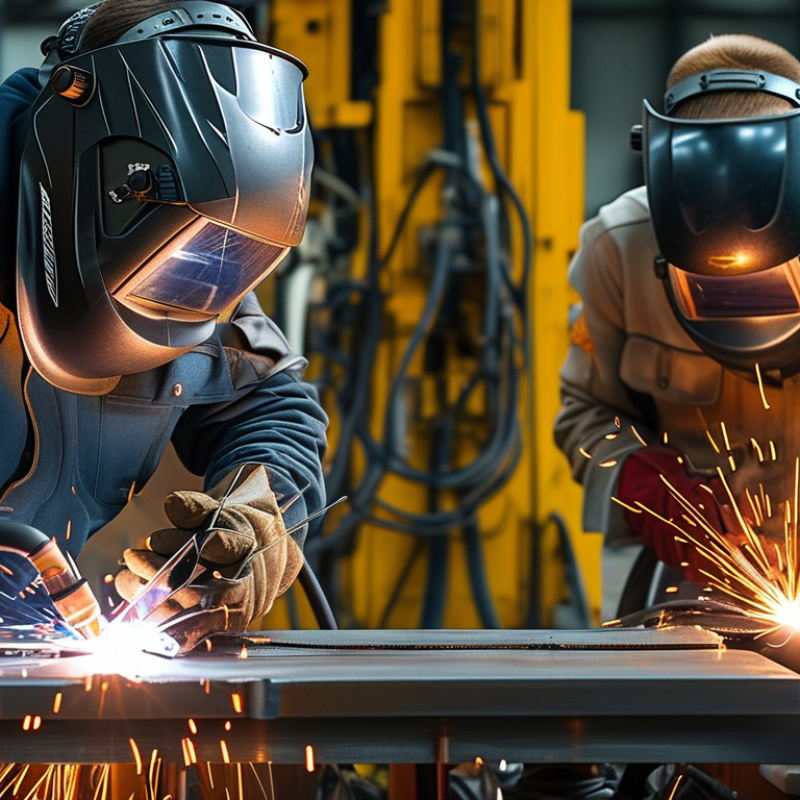
Table of Contents [Hide]
What is a Welding Machine?
A welding machine is an essential tool in various industries. It joins materials, usually metals, through heat and pressure. This process creates a strong bond, making it vital for construction, automotive, and manufacturing sectors.
Different types of welding machines exist. MIG, TIG, and stick welding are the most common. Each type uses specific techniques to melt and fuse materials. Understanding their differences can help you choose the right one for your project.
**Tip**: Always wear proper protective gear when welding. A helmet, gloves, and safety glasses are necessary to prevent injuries.
Setting up a welding machine requires careful attention. Ensure the work area is clean and free of flammable materials. This will reduce risks and improve efficiency.
**Tip**: Practice on scrap materials before starting your main project. This helps you gain confidence and refine your skills.
Welding is not just about equipment; it's about technique and precision. Mistakes can happen easily if you rush. Take your time to ensure accurate welds.

© Copyright - Pro Tool & Supply - Site by SVM E-Marketing Solutions - Sitemap
- Privacy policy