- Products
- Air Compressors & Air Tools
- Climate Control
- Compaction Equipment
- Concrete Cutting Tools & Equipment
- Concrete and Masonry
- Demolition & Excavation
- Electrical & Mechanical
- Fasteners and Anchoring Adhesives
- Floor Protection
- Generators and Welders
- Hand Tools
- Heaters
- Janitorial and Office Supplies
- Jobsite Protection
- Ladders & Storage
- Lighting & Lighting Accessories
- Man Lifts
- Material Handling Equipment
- Power Tools
- Pressure Washers & Pumps
- Safety Gear
- Safety Products
- Saws
- Surface Preparation
- SEASONAL PRODUCTS
- Rentals
- Air Compressor and Air Tool Rentals
- Climate Control Rental
- Compaction Rentals
- Concrete Equipment Rentals
- Demolition & Excavation Equipment Rentals
- Concrete Floor Grinder Rentals
- General Construction Equipment Rentals
- Generator Rentals and Welder Rentals
- Heater Rentals
- Light Tower Rentals
- Man Lift Rentals in Massachusetts and Rhode Island
- Material Handling Equipment Rentals
- Pressure Washer & Pump Rentals
- Saw Rentals in New England
- SEASONAL PRODUCTS
- Products
- Air Compressors & Air Tools
- Climate Control
- Compaction Equipment
- Concrete Cutting Tools & Equipment
- Demolition & Excavation
- Electrical & Mechanical
- Floor Protection
- Generators and Welders
- Construction Heaters
- Construction Ladders, Staging, & Storage
- Construction Lighting
- Man Lifts
- Material Handling Equipment
- Industrial Janitorial and Office Supplies
- Pressure Washers & Pumps
- Construction Safety Products
- Construction Safety Gear
- Surface Preparation
- Building Protection
- Diesel Accessories
- Zero Emissions
- Rentals
- Air Compressor and Air Tool Rentals
- Climate Control Rental
- Compaction Rentals
- Concrete Equipment Rental
- Demolition & Excavation Equipment Rental
- General Construction Equipment Rental
- Generator Rentals and Welder Rentals
- Construction Heaters Rental
- Light Tower Rentals
- Man Lift Rentals
- Material Handling Equipment Rental
- Pressure Washer & Pump Rentals
- Saw Rentals in New England
- Concrete Floor Grinder Rentals
- Zero Emissions Rentals
- Repairs & Used
- Parts
- Blog
- Services
- Resources
- About Us
- Contact Us
Sales & Rental of Construction | Industrial Equipment & Supplies


What Is Water Treatment Equipment and How Does It Work?
Water treatment equipment turns uncertain water quality into a controlled, measurable process. It can remove sediment, metals, chemicals, microorganisms, or excess minerals. The correct equipment depends on the water source, test results, flow rate, and intended use.
A typical system may begin with a screen or sediment filter. It catches sand, rust, and visible particles. Activated carbon can reduce chlorine, odors, and some organic compounds. Reverse osmosis pushes water through a membrane under pressure, leaving many dissolved salts behind. Ultraviolet units then use light to damage microorganisms. Pumps, pressure gauges, valves, and monitoring sensors keep each stage working safely.
Small details matter. A clogged filter raises pressure. A damaged membrane wastes water. A dirty ultraviolet sleeve can weaken disinfection. These problems are easy to overlook.
Peter Gleick, a respected water scientist, has said, “The world’s water crisis is not a crisis of scarcity, but a crisis of management.” His observation applies directly to Water Treatment Equipment. Good treatment is not simply about buying powerful machinery. It requires sampling, proper sizing, routine maintenance, and trained decisions.
The process is practical, but not perfect.
Water quality can change after rainfall, industrial activity, or seasonal shifts. A system that worked well last year may need adjustment today. Even impressive equipment cannot correct poor testing or neglected maintenance. This guide explains how major treatment technologies work, where they fit, and what operators should check before trusting the final water quality.
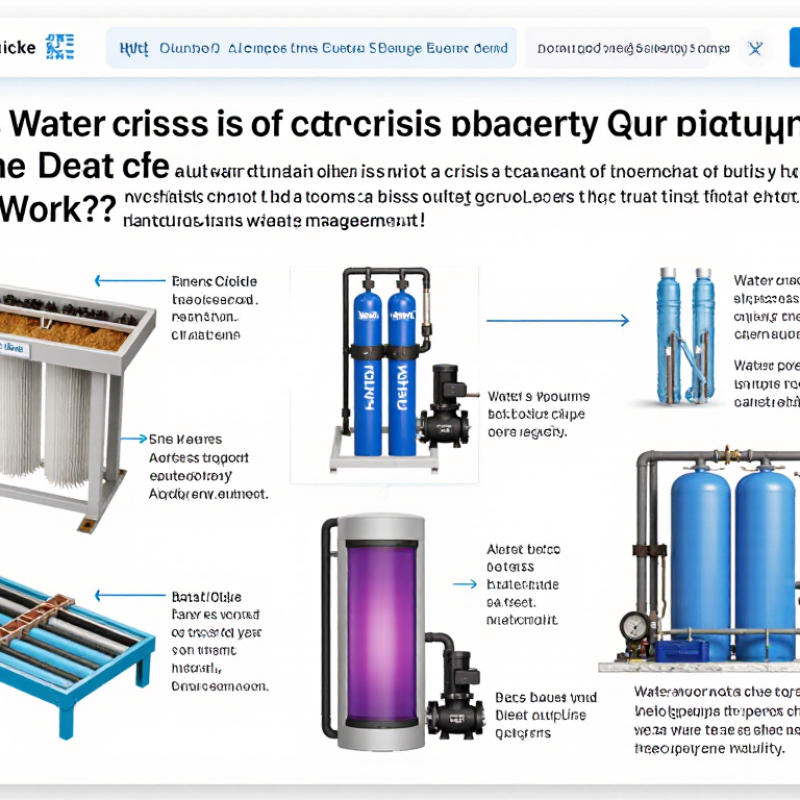
Table of Contents [Hide]
Water Treatment Equipment: Definition, Uses, and Process Categories
What Is Water Treatment Equipment and How Does It Work?
Water treatment equipment removes, reduces, or controls unwanted substances in water. Its purpose depends on the source and intended use. Drinking water systems target pathogens, turbidity, metals, and chemical contaminants. Industrial systems may also control hardness, dissolved salts, and process residues.
The WHO and UNICEF Joint Monitoring Programme reported that 2.2 billion people lacked safely managed drinking water services in 2022. That figure shows why reliable treatment equipment matters beyond factory walls.
Treatment processes usually fall into three categories: physical, chemical, and biological.
Screens and sedimentation tanks remove larger particles. Filters capture finer solids, while membranes separate dissolved contaminants through pressure.
Disinfection uses methods such as ultraviolet light, ozone, or carefully controlled chemicals.
Biological units allow microorganisms to break down organic matter in wastewater.
The United Nations World Water Development Report 2024 states that agriculture accounts for about 70% of global freshwater withdrawals, increasing demand for efficient reuse systems.
Performance depends on testing, maintenance, and correct process selection. A clear outlet does not always mean safe water. That is an easy mistake. Operators should monitor flow, pressure, turbidity, pH, and disinfectant residuals.
The U.S. Environmental Protection Agency notes that treatment goals must reflect local water quality and regulatory requirements.
Equipment can fail through fouled membranes, exhausted media, or poor calibration. Some designs look efficient on paper but perform poorly under seasonal changes. Good engineering leaves room for inspection, adjustment, and uncomfortable questions.

© Copyright - Pro Tool & Supply - Site by SVM E-Marketing Solutions - Sitemap
- Privacy policy