- Products
- Air Compressors & Air Tools
- Climate Control
- Compaction Equipment
- Concrete Cutting Tools & Equipment
- Concrete and Masonry
- Demolition & Excavation
- Electrical & Mechanical
- Fasteners and Anchoring Adhesives
- Floor Protection
- Generators and Welders
- Hand Tools
- Heaters
- Janitorial and Office Supplies
- Jobsite Protection
- Ladders & Storage
- Lighting & Lighting Accessories
- Man Lifts
- Material Handling Equipment
- Power Tools
- Pressure Washers & Pumps
- Safety Gear
- Safety Products
- Saws
- Surface Preparation
- SEASONAL PRODUCTS
- Rentals
- Air Compressor and Air Tool Rentals
- Climate Control Rental
- Compaction Rentals
- Concrete Equipment Rentals
- Demolition & Excavation Equipment Rentals
- Concrete Floor Grinder Rentals
- General Construction Equipment Rentals
- Generator Rentals and Welder Rentals
- Heater Rentals
- Light Tower Rentals
- Man Lift Rentals in Massachusetts and Rhode Island
- Material Handling Equipment Rentals
- Pressure Washer & Pump Rentals
- Saw Rentals in New England
- SEASONAL PRODUCTS
- Products
- Air Compressors & Air Tools
- Climate Control
- Compaction Equipment
- Concrete Cutting Tools & Equipment
- Demolition & Excavation
- Electrical & Mechanical
- Floor Protection
- Generators and Welders
- Construction Heaters
- Construction Ladders, Staging, & Storage
- Construction Lighting
- Man Lifts
- Material Handling Equipment
- Industrial Janitorial and Office Supplies
- Pressure Washers & Pumps
- Construction Safety Products
- Construction Safety Gear
- Surface Preparation
- Building Protection
- Diesel Accessories
- Zero Emissions
- Rentals
- Air Compressor and Air Tool Rentals
- Climate Control Rental
- Compaction Rentals
- Concrete Equipment Rental
- Demolition & Excavation Equipment Rental
- General Construction Equipment Rental
- Generator Rentals and Welder Rentals
- Construction Heaters Rental
- Light Tower Rentals
- Man Lift Rentals
- Material Handling Equipment Rental
- Pressure Washer & Pump Rentals
- Saw Rentals in New England
- Concrete Floor Grinder Rentals
- Zero Emissions Rentals
- Repairs & Used
- Parts
- Blog
- Services
- Resources
- About Us
- Contact Us
Sales & Rental of Construction | Industrial Equipment & Supplies


What Is a Water Tank Filter and How Does It Work?
A Water Tank Filter helps improve stored water by removing unwanted particles before the water reaches a tap. It may capture sand, rust flakes, leaves, and other visible sediment. Some systems also reduce odors, chlorine, or selected microorganisms. The result depends on the filter media, pore size, flow rate, and water source.
The process is usually simple. Water enters through an inlet and passes through one or more filtering layers. A mesh screen can trap larger debris. Activated carbon may absorb certain chemicals and unpleasant tastes. Finer membranes can block smaller particles, but they often require careful pressure control. Think of a clear filter housing filled with brown sediment. That small detail shows why routine inspection matters.
A filter is not a complete water-treatment system. It may not remove every pathogen, dissolved metal, or chemical contaminant. This limitation is easy to overlook. Reliable selection should follow a water-quality test, manufacturer specifications, and applicable drinking-water guidance. In practice, I would check the cartridge before any unusual taste appears, because waiting can reduce performance. Replaceable elements need timely servicing, while tanks require cleaning and secure covers. Professional advice becomes important when water serves children, older adults, or people with weakened immunity. Evidence-based maintenance records also help confirm what the system has actually done. No filter works perfectly forever. That is worth remembering.
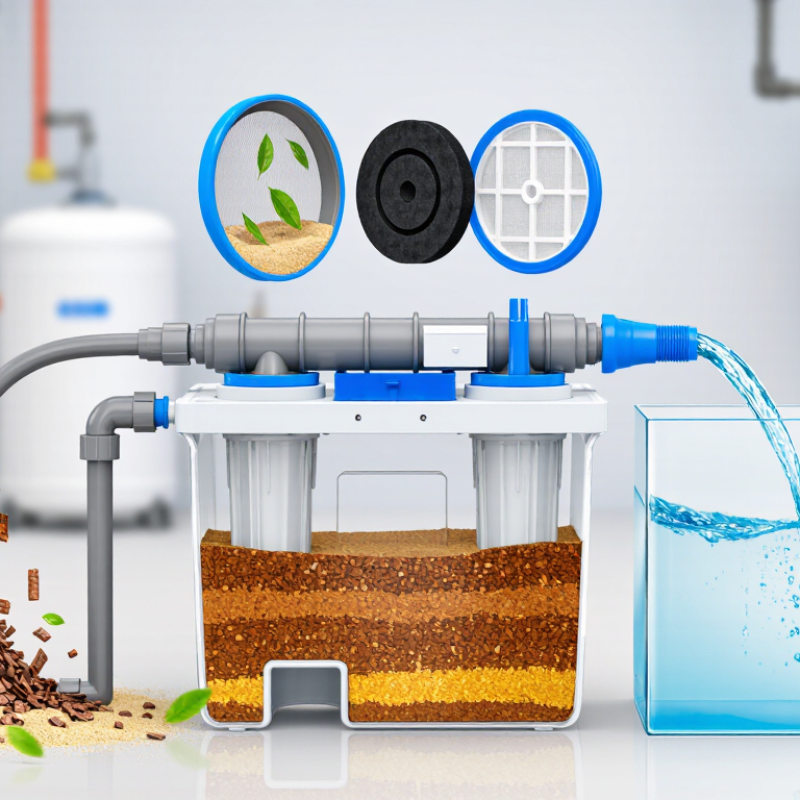
Table of Contents [Hide]
What Is a Water Tank Filter?
A water tank filter is a device that cleans water before it enters a storage tank or leaves it for household use. It can remove sediment, rust particles, insects, and other visible impurities. Some filters also reduce unpleasant odors or certain dissolved substances, depending on their media and design.
Most systems use a screen, cartridge, or layered filter bed. Water passes through these materials, while unwanted particles remain trapped. A coarse screen catches leaves and sand. Finer media can capture smaller particles. However, a filter does not automatically make unsafe water drinkable. Its performance depends on pore size, water quality, flow speed, and regular maintenance. No filter is perfect.
In practical use, filter condition matters as much as filter type. A blocked cartridge may reduce water pressure and cause overflow around its housing. A damaged seal can allow dirty water to bypass the filter. Inspection records, clean tools, and scheduled replacement support reliable operation. Testing stored water remains wise, especially after flooding, repairs, or long periods without use.
Tips: Check the filter before heavy rain. Clean the tank cover and inlet area. Replace worn parts promptly. Do not judge water safety by appearance alone.

© Copyright - Pro Tool & Supply - Site by SVM E-Marketing Solutions - Sitemap
- Privacy policy