- Products
- Air Compressors & Air Tools
- Climate Control
- Compaction Equipment
- Concrete Cutting Tools & Equipment
- Concrete and Masonry
- Demolition & Excavation
- Electrical & Mechanical
- Fasteners and Anchoring Adhesives
- Floor Protection
- Generators and Welders
- Hand Tools
- Heaters
- Janitorial and Office Supplies
- Jobsite Protection
- Ladders & Storage
- Lighting & Lighting Accessories
- Man Lifts
- Material Handling Equipment
- Power Tools
- Pressure Washers & Pumps
- Safety Gear
- Safety Products
- Saws
- Surface Preparation
- SEASONAL PRODUCTS
- Rentals
- Air Compressor and Air Tool Rentals
- Climate Control Rental
- Compaction Rentals
- Concrete Equipment Rentals
- Demolition & Excavation Equipment Rentals
- Concrete Floor Grinder Rentals
- General Construction Equipment Rentals
- Generator Rentals and Welder Rentals
- Heater Rentals
- Light Tower Rentals
- Man Lift Rentals in Massachusetts and Rhode Island
- Material Handling Equipment Rentals
- Pressure Washer & Pump Rentals
- Saw Rentals in New England
- SEASONAL PRODUCTS
- Products
- Air Compressors & Air Tools
- Climate Control
- Compaction Equipment
- Concrete Cutting Tools & Equipment
- Demolition & Excavation
- Electrical & Mechanical
- Floor Protection
- Generators and Welders
- Construction Heaters
- Construction Ladders, Staging, & Storage
- Construction Lighting
- Man Lifts
- Material Handling Equipment
- Industrial Janitorial and Office Supplies
- Pressure Washers & Pumps
- Construction Safety Products
- Construction Safety Gear
- Surface Preparation
- Building Protection
- Diesel Accessories
- Zero Emissions
- Rentals
- Air Compressor and Air Tool Rentals
- Climate Control Rental
- Compaction Rentals
- Concrete Equipment Rental
- Demolition & Excavation Equipment Rental
- General Construction Equipment Rental
- Generator Rentals and Welder Rentals
- Construction Heaters Rental
- Light Tower Rentals
- Man Lift Rentals
- Material Handling Equipment Rental
- Pressure Washer & Pump Rentals
- Saw Rentals in New England
- Concrete Floor Grinder Rentals
- Zero Emissions Rentals
- Repairs & Used
- Parts
- Blog
- Services
- Resources
- About Us
- Contact Us
Sales & Rental of Construction | Industrial Equipment & Supplies

How to Use US DDP Ocean Trucking for Global Sourcing?
Global sourcing increasingly depends on predictable ocean transport, not simply low factory prices. UNCTAD’s Review of Maritime Transport 2024 reports that more than 80% of global merchandise trade by volume moves by sea. That scale explains why ocean freight remains central to sourcing from Asia, Europe, and other production regions.
US DDP Ocean Trucking combines ocean freight, customs coordination, duty and tax handling, port drayage, and final delivery in the United States. This guide explains how the model works across each handoff. A typical shipment may move from a supplier’s warehouse into a 40-foot container, through a congested port, then by truck to a distribution center in Chicago or Los Angeles. The World Bank’s Logistics Performance Index 2023 emphasizes reliability, tracking, and timely delivery. Those details matter when inventory is waiting on a retail floor.
DDP can simplify purchasing, but it is not automatically the safest option. A cheap all-in quote may conceal storage fees, chassis charges, demurrage, insurance limits, or unclear tax responsibilities. The model also requires accurate product descriptions, commercial invoices, packing lists, and compliant customs procedures. Importers should confirm who acts as the responsible party and whether the arrangement fits applicable US customs and tax requirements. Professional customs brokers and qualified logistics advisers can help verify these points.
The numbers can mislead.
Real performance depends on lane, season, port, and supplier discipline. Careful sourcing teams compare landed cost, transit reliability, exception handling, and delivery evidence. They also challenge assumptions before signing. That uncomfortable step often prevents expensive surprises.
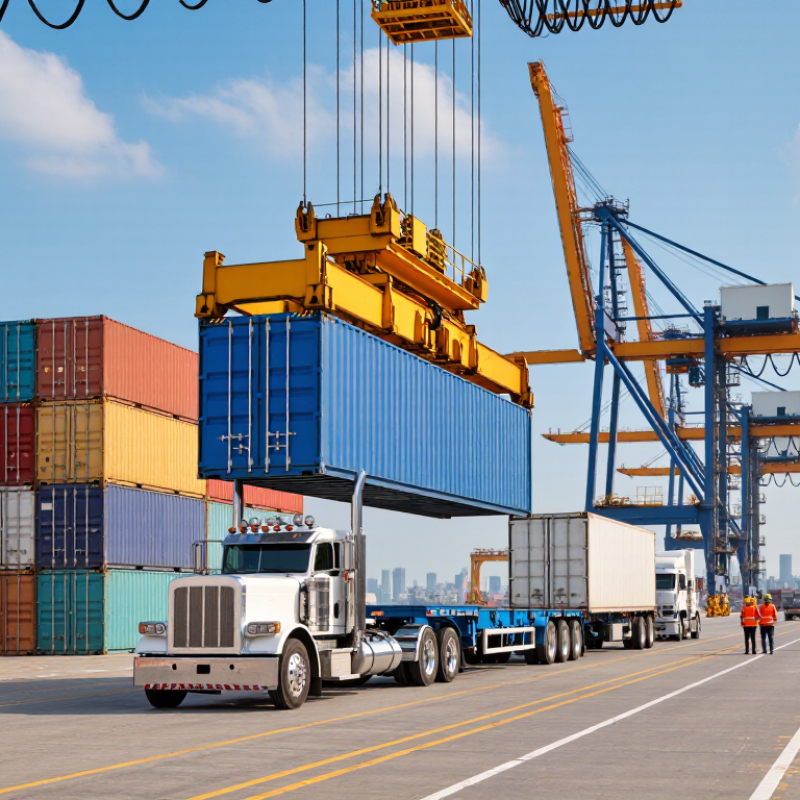
Table of Contents [Hide]
Define DDP Roles Under Incoterms® 2020 and 80%+ Sea Freight Trade
How to Use US DDP Ocean Trucking for Global Sourcing?
More than 80% of global merchandise trade by volume moves by sea, according to UNCTAD’s Review of Maritime Transport. That scale makes ocean freight practical for global sourcing, but DDP requires precise role allocation. Under Incoterms® 2020, the seller arranges export clearance, ocean transport, US import clearance, duties, taxes, and final trucking to the named destination. Risk remains with the seller until the goods arrive, ready for unloading. The buyer normally handles unloading unless the sales contract states otherwise.
The seller should coordinate the carrier, customs broker, drayage provider, and delivery appointment. The buyer should provide accurate product descriptions, delivery hours, receiving limits, and tax information. In the United States, customs procedures may still require a qualified importer of record. Therefore, DDP wording alone cannot replace a written compliance plan. The contract should identify who files entries, pays government charges, corrects document errors, and manages inspections.
A practical booking file includes the commercial invoice, packing list, bill of lading, tariff classification, and delivery address. The World Bank’s Logistics Performance Index 2023 links reliable customs and shipment tracking with stronger logistics performance. DDP can reduce surprise charges, but it may hide costs inside one landed price. That is convenient, not always transparent. Buyers should compare freight, duty, brokerage, storage, and trucking separately before approving the quote. Mistakes happen when “delivered” is treated as “unloaded and accepted.”
How to Use US DDP Ocean Trucking for Global Sourcing? - Define DDP Roles Under Incoterms® 2020 and 80%+ Sea Freight Trade
Scope: This table summarizes the practical allocation of responsibilities for a sea-freight shipment delivered under DDP (Delivered Duty Paid) to a named place in the United States. The exact obligations depend on the sales contract, the named place, customs requirements, and applicable law.
| Supply-Chain Stage | Seller / Exporter Responsibility | Buyer / Importer Responsibility | Risk Transfer Under DDP | Typical Cost Allocation | Operational Control Point |
|---|---|---|---|---|---|
| 1. Product preparation | Prepare goods, commercial invoice, packing list, marking, packaging, and any agreed product documents. | Provide accurate specifications, delivery requirements, and information needed for import compliance. | Risk remains with the seller. | Seller normally includes preparation and export-related costs in the DDP price. | Confirm the exact goods description, tariff classification, quantity, and packaging standard before booking. |
| 2. Export clearance | Complete export clearance and provide required export documents. | Cooperate with information requests when necessary. | Risk remains with the seller. | Seller pays export formalities, duties, taxes, and charges where applicable. | Check whether the exporter can legally complete the export procedure in the origin country. |
| 3. Origin inland trucking | Arrange and pay for pickup, origin drayage, container handling, and transport to the port or terminal. | Provide loading instructions and ensure the cargo is ready at the agreed time. | Risk remains with the seller. | Seller normally bears origin trucking and agreed terminal charges. | Define container type, pickup window, free time, and responsibility for loading or waiting charges. |
| 4. Ocean export transport | Book and pay for the ocean carriage from the origin port to the agreed destination port or place. | Review routing, transit-time assumptions, and shipment documentation. | Risk remains with the seller throughout the sea leg. | Seller pays the contracted ocean freight and included origin or destination charges. | Clarify whether the rate is port-to-port or includes destination handling and inland delivery. |
| 5. Import arrival and customs entry | Arrange import clearance, submit the entry, and provide required documentation through an eligible customs representative. | Provide information about the intended use, permits, product standards, and any buyer-specific compliance requirements. | Risk remains with the seller until delivery at the named place. | Seller pays import clearance costs, subject to the contract and applicable customs rules. | Confirm that the seller can act as, or appoint, the legally acceptable importer-side party. |
| 6. Import duties and taxes | Pay applicable import duties, customs charges, and import taxes required under the DDP arrangement. | Pay only costs expressly excluded from the contract or caused by buyer-specific changes, delays, or inaccurate instructions. | Risk remains with the seller. | Seller includes import duty and tax exposure in the landed-cost quotation. | Validate tariff classification, customs value, origin rules, tax treatment, and possible trade remedies before signing. |
| 7. Destination port and inland trucking | Arrange and pay for destination handling, release, drayage, and inland transport to the named delivery place. | Provide an accessible delivery location and receiving appointment. | Risk remains with the seller during destination trucking. | Seller pays agreed destination transport and delivery charges. | State the complete named place, delivery hours, equipment requirements, and whether the location is a terminal or final facility. |
| 8. Final delivery | Deliver the goods to the named place, ready for unloading. | Accept delivery and arrange unloading unless the contract specifically assigns unloading to the seller. | Risk transfers when the goods are placed at the buyer’s disposal at the named destination, ready for unloading. | Seller pays delivery to the named place; unloading is generally the buyer’s cost and risk. | Record proof of delivery, condition of goods, arrival time, and any visible shortage or damage. |
| 9. Cargo insurance | No automatic obligation to purchase cargo insurance under DDP; provide information needed for the buyer to obtain insurance when requested. | Consider purchasing cargo insurance or require insurance terms in the sales contract. | Insurance does not determine risk transfer; risk follows the DDP delivery point. | Insurance cost is allocated according to the contract. | Specify coverage, insured value, claims procedure, exclusions, and the party responsible for filing claims. |
| 10. Demurrage, detention, and storage | Bear charges caused by the seller’s failure to provide documents, clear goods, or arrange timely transport. | Bear charges caused by late receiving instructions, inaccessible premises, or buyer-requested delays. | Allocation follows the cause of the delay and the written contract. | Not automatically determined by Incoterms® 2020; the quotation should state free-time and exception rules. | Include a written responsibility matrix for customs holds, terminal storage, container detention, and appointment failures. |
Reference note: Responsibility descriptions are based on the ICC Incoterms® 2020 framework. The sea-trade statistic is an approximate global indicator commonly reported in United Nations maritime transport publications; the percentage varies by year, methodology, and whether trade is measured by volume or value.

© Copyright - Pro Tool & Supply - Site by SVM E-Marketing Solutions - Sitemap
- Privacy policy